D-5 Before the March Decision: The Day USTR Took Up Coupang's Investors' Petition — Why Korea Could Become a Section 301 Investigation Target
The U.S. Trade Representative (USTR) is reviewing a Section 301 investigation request filed by Coupang's American investors, with a decision on whether to launch the probe expected in early March. If initiated, South Korea's entire digital platform and personal data regulatory framework could come under scrutiny.
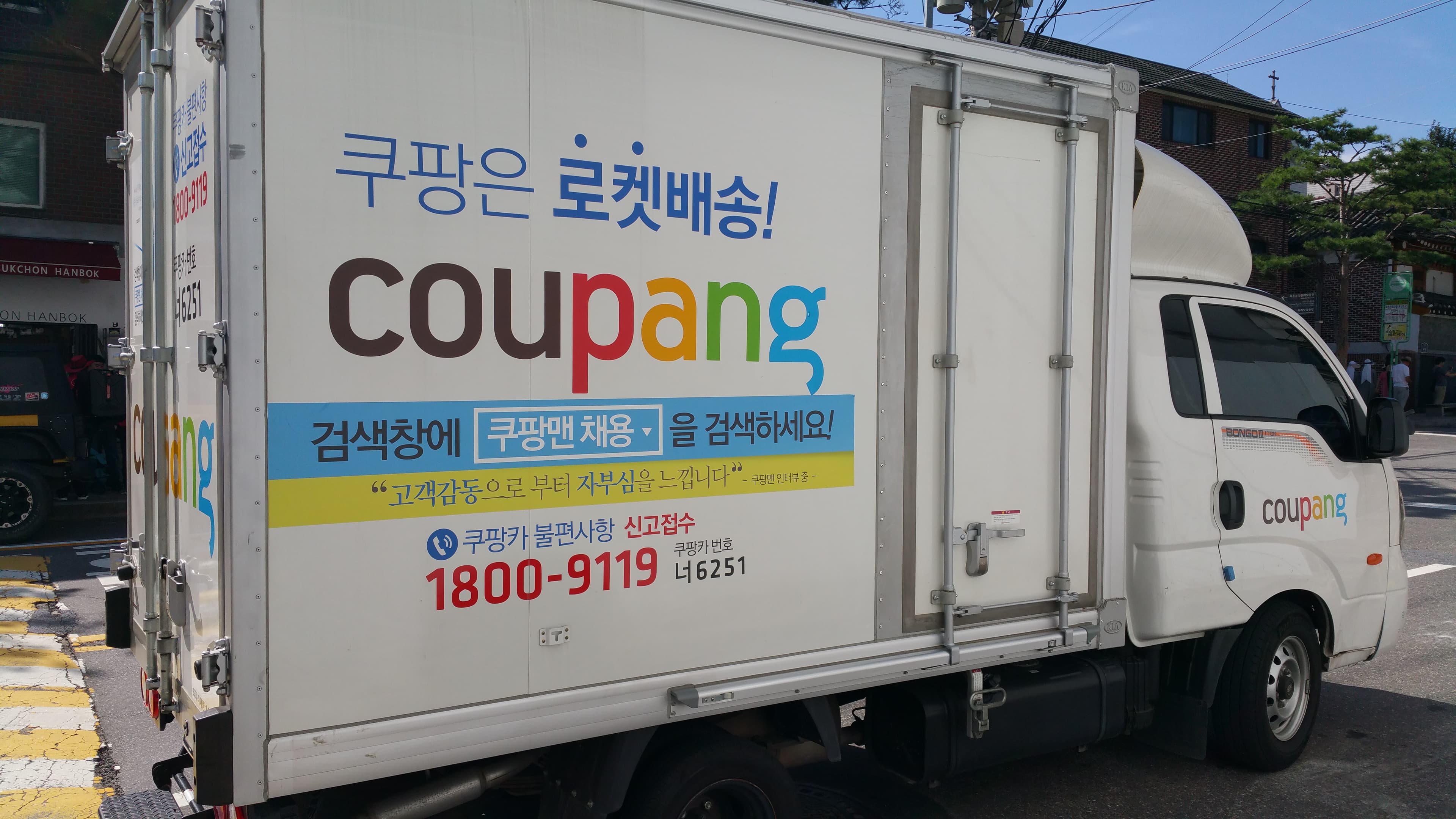
A single company's data breach has escalated into U.S. trade pressure aimed at all of South Korea.
TL;DR
- Coupang's U.S. investors (Greenoaks & Altimeter) have petitioned USTR to investigate Korea's alleged discrimination against American companies.
- USTR is expected to decide whether to launch a Section 301 investigation in early March.
- Coupang's interim CEO gave a 7-hour closed-door deposition before the U.S. House Judiciary Committee on February 23.
- The Korean government is on high alert, vowing to "manage the situation so it does not become a formal investigation target."
- A formal investigation does not automatically lead to tariffs, but it could open a new front in U.S.-Korea trade tensions.
The Facts — What Happened
Section 301 of the Trade Act allows the U.S. executive branch to impose retaliatory tariffs against foreign unfair or discriminatory trade practices. It was used extensively in the Trump administration's first-term trade war with China, and the Trump 2.0 administration is now actively considering Section 301 as a new tool for trade pressure after IEEPA-based reciprocal tariffs were ruled unconstitutional by the U.S. Supreme Court.
This episode began with Coupang's large-scale personal data breach. Following the 2024 incident, Korean authorities imposed heavy sanctions on Coupang, prompting U.S. investors Greenoaks Capital Partners and Altimeter Capital Management — both holding stakes in Coupang — to submit a petition to USTR in December 2025. Their argument: "The Korean government is applying a harsher standard to Coupang, a U.S.-affiliated company, than to Korean domestic competitors."
Why It's in the News Now
Three timelines converged.
- U.S. House Hearing Summons: On February 23 (local time), Coupang interim CEO Kang Han-seung gave a 7-hour closed-door deposition before the U.S. House Judiciary Committee. The very fact that a Korean IT company's top executive was summoned before the U.S. Congress is unprecedented.
- Section 301 as a Post-IEEPA Alternative: After the IEEPA ruling reduced the administration's retaliatory arsenal, Section 301 emerged as a preferred alternative. Signals from inside USTR suggest the agency is preparing to "begin investigations into overproduction and platform regulation in Asian countries including Korea, following Brazil and China."
- Trump's State of the Union Address (February 24): President Trump reaffirmed his hardline tariff stance in his first State of the Union address of his second term, reiterating his intent to pressure trade partners — including South Korea.
Context — Who Are the Stakeholders?
| Party | Position / Role |
|---|---|
| USTR | Decides in early March whether to open a Section 301 investigation. Required under petition review procedures to seek input from the Korean government. |
| Coupang Investors (Greenoaks & Altimeter) | Filed the petition. Legal response to the decline in Coupang's equity value. |
| Coupang | Stated it "regrets the situation and will cooperate fully." In contact with both the U.S. Congress and USTR. |
| Korean Government | Ambassador Kang Kyung-wha: "closely monitoring follow-up developments." Ministry of Trade: "managing the situation to avoid becoming an investigation target." |
| Korean Consumers & Competitors | The Coupang sanctions could spill into a broader debate over whether domestic regulations are being applied consistently to foreign-affiliated companies. |
Outlook — How Long Will This Last?
Early March is the first critical juncture. Even if USTR opens a formal investigation, imposing tariffs would typically take months to over a year. However, the announcement of an investigation itself could weaken Korea's negotiating leverage with the U.S. and create linkages with negotiations in other areas (semiconductor subsidies, defense cost-sharing, auto tariffs, etc.).
Longevity estimate: This is not a one-off story — it is a medium-to-long-term (1–3+ months) ongoing issue. The cycle runs: early March decision → if investigation opens, public hearings & comment periods → investigation findings (months later).
Checklist
Reference Links
- U.S. May Launch Section 301 Investigation Related to Coupang — Yonhap News
- Government Weighs Likelihood of Section 301 Investigation Requested by Coupang Investors — Newsis
- Section 301 – Korea's Acts, Policies, and Practices Concerning Coupang — USTR Official
- "Trump Pulls Out Section 301… Korea Could Face Investigation" — Chosun Ilbo
- Interim Coupang CEO Gives Closed-Door Deposition Before U.S. House Judiciary Committee — Korea JoongAng Daily
Image Credit
- Coupang Delivery Truck (Seoul): Wikimedia Commons — Coupang 2.jpg by Bonnielou2013 (CC BY-SA 4.0)