The End of Reciprocal Tariffs? 3 Inflection Points for Korea's Exports After the U.S. Supreme Court's IEEPA Ruling and Trump's Section 122 Pivot
On February 20, 2026, the U.S. Supreme Court struck down IEEPA-based reciprocal tariffs in a 6-3 ruling. Trump immediately imposed a 15% temporary surcharge on all imports under Section 122, leaving Korean exporters facing both a tariff refund opportunity and a new wave of trade uncertainty.
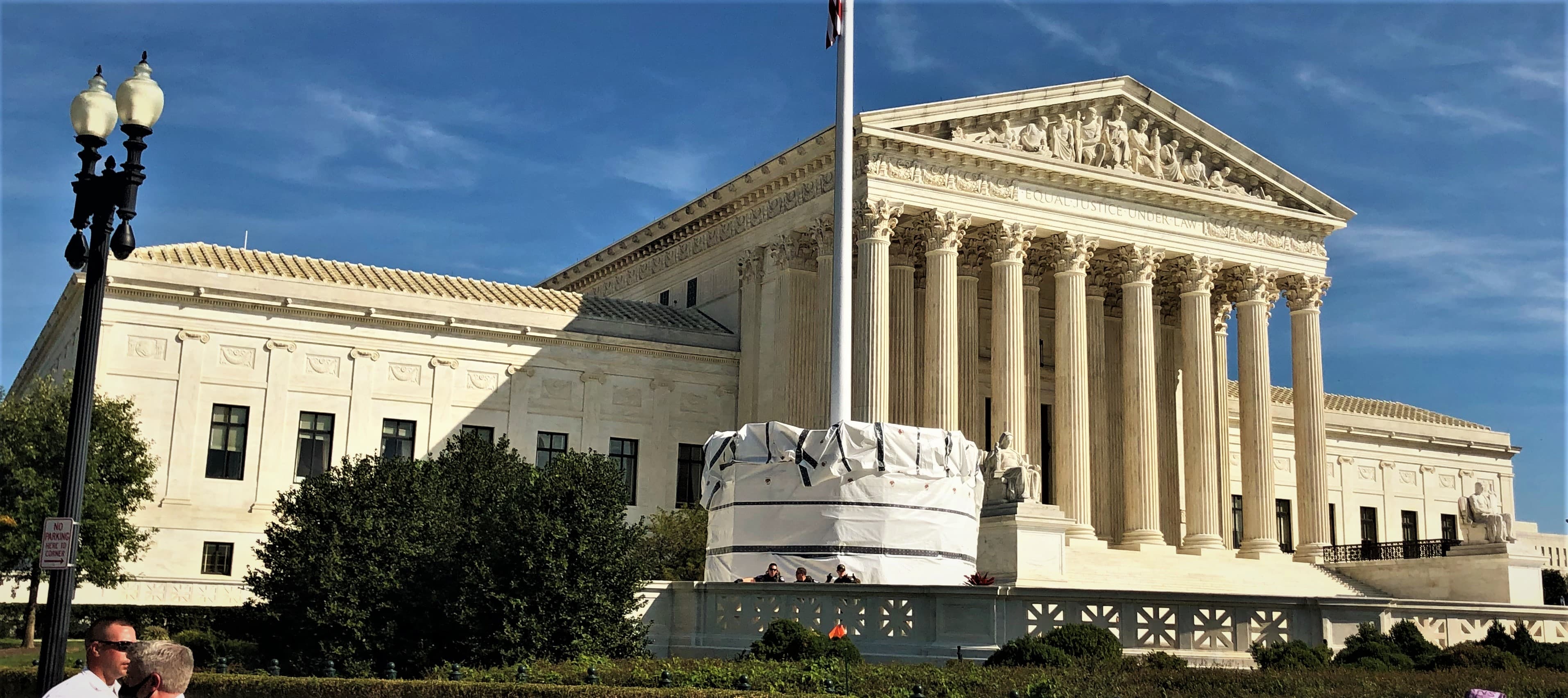
Why this matters now: Trump's reciprocal tariffs have vanished after 10 months — but new tariffs are already in effect. For Korean exporters, is this ruling a rescue or a trap?
TL;DR
- On February 20, 2026, the U.S. Supreme Court ruled 6:3 that IEEPA-based reciprocal tariffs are unconstitutional (Learning Resources, Inc. v. Trump)
- Chief Justice John Roberts: "Those two words (regulate importation) cannot bear that weight."
- Trump immediately invoked Section 122 of the Trade Act of 1974, imposing a 15% temporary import surcharge on all countries starting February 24 (150 days, through ~July 24)
- Korean companies: tariff refund claims on IEEPA duties paid are now possible, but procedures remain undefined
- Trade uncertainty has actually increased — investigations under Sections 301 and 232 announced
The Facts: What Happened
The Ruling
On February 20, 2026 (local time), the U.S. Supreme Court ruled 6-3 in Learning Resources, Inc. v. Trump (No. 24-1287) that "IEEPA does not grant the President authority to impose tariffs."
The Court held that the two words "regulate … importation" in IEEPA do not include the power to impose tariffs, and clearly declared that tariffs fall within the taxing power granted to Congress under Article I of the Constitution. Chief Justice Roberts wrote in the majority opinion:
"No President has ever interpreted IEEPA as conferring such authority."
As a result, the IEEPA-based reciprocal tariffs (10–145% by country) imposed since April 5, 2025, immediately lost their legal effect.
Trump's Immediate Response: Pivot to Section 122
President Trump invoked Section 122 of the Trade Act of 1974 — a provision never previously used — immediately following the ruling.
- Rate: Initially 10% → raised to 15% on February 22
- Scope: All imports worldwide (with some exceptions for goods already subject to Section 232)
- Duration: Up to 150 days (through July 24, 2026)
- Structure: MFN tariff + Section 122 tariff (15%) applied together
- Next steps: USTR announced the launch of Section 301 investigations targeting major trading partners
Why This Is a Hot Topic in Korea Right Now
1. The Possibility of Tariff Refunds
Korean exporters who paid IEEPA-based tariffs between April 2025 and February 24, 2026 are expected to be able to file refund claims. Samjong KPMG and the Korea International Trade Association (KITA) immediately issued corporate response guides.
- Refund channel: Awaiting administrative guidance from U.S. Customs and Border Protection (CBP)
- Refund scope: IEEPA-based reciprocal tariffs, including IEEPA tariffs related to immigration and smuggling
- Caution: The Supreme Court did not offer separate guidance on refund procedures
2. Partial Recovery of FTA Benefits
Under the previous IEEPA reciprocal tariff structure, the benefits of the Korea-U.S. FTA were effectively neutralized. Now, with the shift to an MFN tariff + 15% Section 122 structure, Korean products that are exempt from MFN tariffs under the Korea-U.S. FTA have a chance to partially recover their price competitiveness relative to non-FTA countries that must pay MFN tariffs.
3. Political Context
A 6:3 unconstitutional ruling — even in a court composed of "6 Republican-appointed vs. 3 Democrat-appointed" justices — represents a serious political defeat for Trump. Trump pressured the justices, but it did not work.
Context and Background
| Item | Detail |
|---|---|
| Ruling Date | February 20, 2026 |
| Case Name | Learning Resources, Inc. v. Trump (No. 24-1287) |
| Vote | 6-3 (Chief Justice Roberts writing for the majority) |
| Legal Basis | IEEPA's "regulate importation" does not include tariff-setting authority |
| Immediate Replacement | Section 122 of the Trade Act: 15% temporary tariff (150 days, through ~July 24) |
| Further Action Announced | Section 301 investigations launched (USTR) |
According to a KITA report, despite this ruling, the Trump administration's high-tariff posture is expected to continue. With the possibility of additional constitutional challenges to the Section 122 measure, trade uncertainty has actually increased.
Outlook: What Happens Next?
- Scenarios after 150 days (after July 25, 2026): Section 122 tariffs cannot be extended without congressional approval. Congress may pursue new legislation, or Trump may shift to maintaining high tariffs on individual goods via Sections 232 and 301.
- Tariff refund timeline: After CBP issues administrative guidance, companies file individual claims → process expected to take months to years.
- FTA renegotiation pressure: Trump may pursue negotiations demanding greater market opening in exchange for waiving Section 122 tariffs — effectively pressuring revisions to existing FTAs.
- Sector-by-sector winners and losers in Korea: Semiconductors and autos still face potential Section 232 exposure; consumer goods and intermediate goods may see partial benefits.
Checklist: What Korean Exporters Should Do Right Now
Reference Links
- U.S. Supreme Court Ruling (PDF)
- SCOTUSblog: Supreme Court strikes down tariffs
- Samjong KPMG: IEEPA Tariff Ruling and Refund Strategy
- KITA: IEEPA Tariff Unconstitutionality Ruling and Follow-up
- BBC Korea: Trump Announces 10% Global Tariff
- ING Think: From IEEPA to Section 122 – Asia implications
- Stimson Center: IEEPA Ruling and South Korea
Image source: Wikimedia Commons – US Supreme Court Building