Confirmed After 4 Postponements: Why the ROK-US Freedom Shield March 9–19 Announcement Left a 'Field Training Gap'
South Korea and the United States officially announced on February 25 that the 2026 Freedom Shield (FS) joint exercise will be held from March 9–19. While troop participation of 18,000 remains at prior-year levels, the number and scale of field training exercises (FTX) are still under negotiation, and North Korean nuclear-use scenarios are once again excluded.
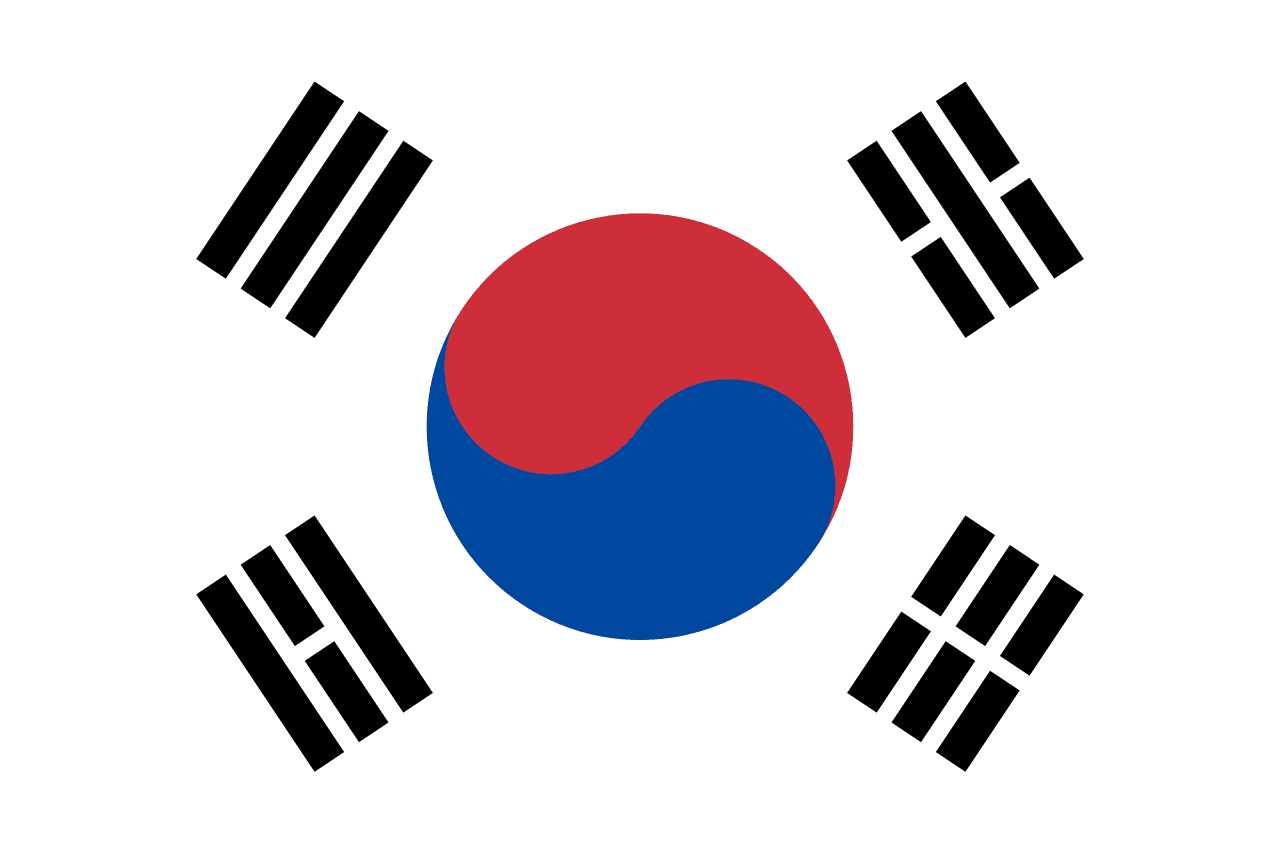
Why you need to read this now: After four consecutive announcement delays, a date has finally been confirmed — but the 'key variable' of the exercise, the scale of field training, remains unresolved. The ROK-US Alliance's substantive deterrence debate has entered a new phase with this Freedom Shield announcement.
TL;DR
- On the afternoon of February 25, South Korea and the United States officially announced that the 2026 Freedom Shield (FS) joint exercise will be held March 9–19 (11 days).
- Participating troops: 18,000, maintained at prior-year levels — primarily computer simulation (CPX).
- The number and scale of field training exercises (FTX) are still under ROK-US negotiation and were not included in the announcement.
- This exercise will not incorporate North Korean nuclear-use scenarios.
- The Joint Chiefs of Staff and ROK-US Combined Forces Command stated that "the transfer of wartime operational control (OPCON) will continue to be pursued."
The Facts: What Has Been Confirmed
The South Korean Joint Chiefs of Staff and the ROK-US Combined Forces Command officially formalized the schedule for the '2026 Freedom Shield (FS)' joint exercise at a joint press conference held at the Ministry of National Defense building on the afternoon of February 25, 2026.
| Item | Details |
|---|---|
| Exercise Period | March 9–19, 2026 (11 days) |
| Participating Troops | Approximately 18,000 |
| Exercise Format | Primarily computer simulation (CPX) |
| Field Training Exercise (FTX) | Number and scale still under negotiation |
| North Korea Nuclear Scenario | Not included |
| OPCON Transfer | Continued pursuit explicitly stated |
This announcement came after being originally scheduled for February 25, only to be delayed multiple times. Multiple outlets including Yonhap News, Financial News, and OhmyNews all reported simultaneously on the same day.
Why This Announcement Is Drawing Attention
1. The 'Announcement Delay' Itself Was News
The delay in the FS announcement that began on February 22 stemmed from disagreements between the ROK and the US over the scale of field training exercises. South Korea wanted field exercises at the same level as previous years, while the US was reportedly reviewing reductions or adjustments. This friction was exposed in the media for several days, escalating into a debate about cracks in the alliance.
2. The Field Training Scale Remains a Blank
The most notable point is that while the exercise period has been confirmed, the number and scale of field training exercises were absent from the announcement. This suggests agreement on this aspect has yet to be reached. Field exercises are a key element for improving actual combat readiness and are directly linked to the ROK-US Alliance's deterrence capability.
3. North Korean Nuclear Scenarios Not Included
Despite North Korea having launched tactical nuclear-capable missiles multiple times since last year, FS 2026 will not incorporate North Korean nuclear-use scenarios. Experts have pointed to this as a significant limitation.
Context and Background
What Is Freedom Shield?
Freedom Shield is a joint ROK-US defensive exercise launched in 2023 as the successor to the Ulchi Freedom Shield (UFS). Held once a year in the first half of the year, it aims to deter war on the Korean Peninsula and maintain combined defense readiness. The exercise combines computer simulations with field training exercises.
The OPCON Transfer Debate
Also noteworthy is that this announcement explicitly stated "continued pursuit of OPCON transfer." Wartime operational control (OPCON) is currently held by the ROK-US Combined Forces Commander (a US four-star general), and its reversion to the Korean military has been under discussion for decades. Fulfilling the conditions for combined defense capability is required for OPCON transfer, and joint exercises like FS serve as a key evaluation mechanism.
Outlook
- Short-term (March 9–19): FS exercise proceeds. If the field training scale is being coordinated until the last minute, there is the possibility of an additional announcement during the exercise period.
- Medium-term (2–3 months): The level of North Korea's backlash is a variable. North Korea has consistently characterized ROK-US joint exercises as "invasion preparations" and responded with missile launches and similar actions.
- Long-term: Whether the conditions for OPCON transfer are met depends on the outcomes of FS 2026. If reductions in field training scale continue, the actual transfer could be delayed further.
Checklist
Reference Links
- Yonhap News: ROK-US Joint FS Exercise to Be Held March 9–19
- Dong-A Ilbo: ROK-US Joint Exercise 'Freedom Shield' to Be Held Next Month, March 9–19
- Financial News: Field Training Scale a 'Tug-of-War' Until the Last Minute
Image Source
- Flag of the Republic of Korea: Wikimedia Commons, Public Domain