War Has Begun: The US-Israel Joint Strike on Iran 'Operation Shield of Judah' — 5 Scenarios for a Middle East Full-Scale War
In the early hours of February 28, 2026, the United States and Israel launched a large-scale joint airstrike against Iran. Under the operation name 'Operation Shield of Judah,' they simultaneously struck Tehran, Isfahan, and Qom nuclear facilities. Iran immediately retaliated with strikes against Israel and US military bases across the Middle East, raising urgent fears of a full-scale regional war.
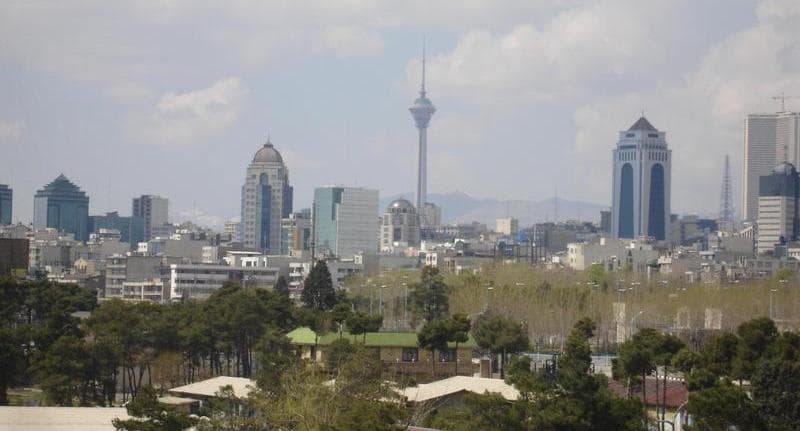
Why you need to watch this now: In the early hours of February 28, 2026, the United States and Israel launched a preemptive joint airstrike against Iran, propelling the Middle East into a full-scale war footing. Immediate ripple effects on Korea's energy supply, prices, and supply chains are anticipated.
TL;DR
- US and Israel launch a massive joint airstrike on Iran in the early hours of February 28, 2026
- Operation names: Israel's 'Operation Shield of Judah', US 'Operation Epic Fury'
- Key targets: Tehran (Supreme Leader's office), Isfahan & Qom (nuclear facilities), Karaj, Kermanshah
- Iran retaliates with ballistic missiles and drones against Israel + simultaneous strikes on US bases in Qatar and Kuwait
- Fears of Strait of Hormuz blockade, international oil prices spike, Middle East air routes in chaos
The Facts: What Happened
The Strike Begins
In the early local morning of February 28, 2026 (afternoon Korea time), Israel and the United States launched a preemptive attack on Iran following months of "close joint planning." Israel's operation was named 'Operation Shield of Judah' and the US operation 'Operation Epic Fury.' This represents the largest US military mobilization in the Middle East since the 2003 Iraq War.
Key Targets
- Tehran: Office of Supreme Leader Ali Khamenei and the President's office (Khamenei reportedly evacuated to a secret location in advance)
- Isfahan & Qom: Concentrated strikes on nuclear facilities
- Karaj & Kermanshah: Military installations and missile bases
- Hormozgan: Reports indicate an accidental strike on an elementary school in Minab, killing dozens
President Trump declared in a social media video address that "major combat operations are underway" and called on the Iranian people to "take over your government."
How It Escalated: Why Now
The Collapse of Diplomacy
- 3rd Geneva Nuclear Talks collapse (February 26–27): Iran held firm on its right to uranium enrichment, while the US demanded permanent restrictions, causing the negotiations to completely break down.
- Israeli Prime Minister Netanyahu subsequently publicly declared that striking Iran's nuclear facilities was unavoidable, citing the threat posed by Iranian ballistic missiles.
- The Trump administration had publicly signaled for weeks that "failed negotiations = military option."
US Forces Pre-Positioned
According to CNN and Reuters, the US deployed large carrier strike groups, fighter jets, and bombers to the Middle East over several weeks — the largest military buildup in the region since the Iraq War, evidence of advance planning.
Stakeholders
| Actor | Position / Action |
|---|---|
| United States (Trump) | "Eliminating Iran's nuclear & missile threat" + calling for regime change |
| Israel (Netanyahu) | IDF official statement: "Aimed at eliminating threats to our country" |
| Iran (Khamenei) | Immediate retaliatory strikes — missiles & drones at Israel + strikes on US bases in Middle East |
| United Kingdom | Did not participate; opposes further escalation — prioritizing safety of British citizens |
| Germany | Received advance notice; Chancellor Merz monitoring the situation |
| Russia | Calls for immediate halt to strikes |
| EU | Calls for diplomatic resolution; supports nuclear negotiations |
| South Korea | Confirming safety of Korean nationals in Iran; monitoring energy and price impacts |
Outlook: 5 Scenarios for a Middle East Full-Scale War
Scenario 1: Limited Conflict Followed by Ceasefire Negotiations (Short-term — days to 2 weeks)
If Iran calibrates its retaliation and moves toward a ceasefire via mediators such as Qatar and Oman. Without a Hormuz blockade, oil prices spike temporarily then stabilize.
Scenario 2: Escalation — Hezbollah & Houthis Join Simultaneously (Hours to 1 week)
If Lebanon's Hezbollah and Yemen's Houthis enter the war simultaneously, northern Israel and Red Sea shipping lanes face simultaneous threats — a direct blow to Korean exports.
Scenario 3: Strait of Hormuz Blockade (Potential duration: 1–3 days)
A blockade of the Strait of Hormuz — through which roughly 20% of the world's oil supply passes — could drive international oil prices up an additional $30–50 per barrel. Korea's energy supply would face an emergency.
Scenario 4: Iranian Regime Change / Internal Collapse (Long-term)
The scenario Trump has referenced as a goal. Whether Iran's internal opposition forces can consolidate is the key variable. Long-term, this would reshape the Middle East order.
Scenario 5: Nuclear Facilities Destroyed + Early Diplomatic Settlement (Short-term)
If nuclear facilities are effectively neutralized, Iran may return to the negotiating table. The most "best-case" scenario, but uncertain given Iran's internal politics.
Context & Background
This strike is not an isolated incident — it is the explosion of a structural Middle East crisis.
- Tensions between the two sides continued to escalate following Israel's first strike on Iran in October 2024.
- The US and Iran attempted multiple rounds of nuclear negotiations, but all ended in failure.
- The Trump administration's second term revived the "maximum pressure" strategy and kept the military option on the table.
Korea Impact Checklist
Reference Links
- US-Israel joint strike on Iran — MBC News Desk (2026.02.28)
- Iran launches immediate retaliatory strikes on Israel (Comprehensive) — Yonhap News (2026.02.28)
- US and Israel strike Iran — Reuters (2026.02.28)
- What we know about the joint US-Israel attack on Iran — BBC (2026.02.28)
- 2026 Israel-US airstrike on Iran — Wikipedia (Korean)
Image Credit
- Tehran skyline with Milad Tower (May 2007): Wikimedia Commons — CC BY-SA 3.0 / Amir1140