Tehran in Flames: 5 Shocks the U.S. B-1·B-2·F-35 'Maximum Strike on 3,000 Targets' Sends to the Day-8 Iran War Turning Point and Korea
The U.S. and Israel launched a 'maximum-scale bombing' against approximately 3,000 targets across Iran, including the capital Tehran, on the night of March 7, 2026, marking a decisive turning point as the Iran War enters its 8th day. With B-1 and B-2 stealth bombers and F-35 fighters fully deployed, Iranian civilian casualties are surging, while the impact on South Korea's energy security and economy is becoming increasingly visible.
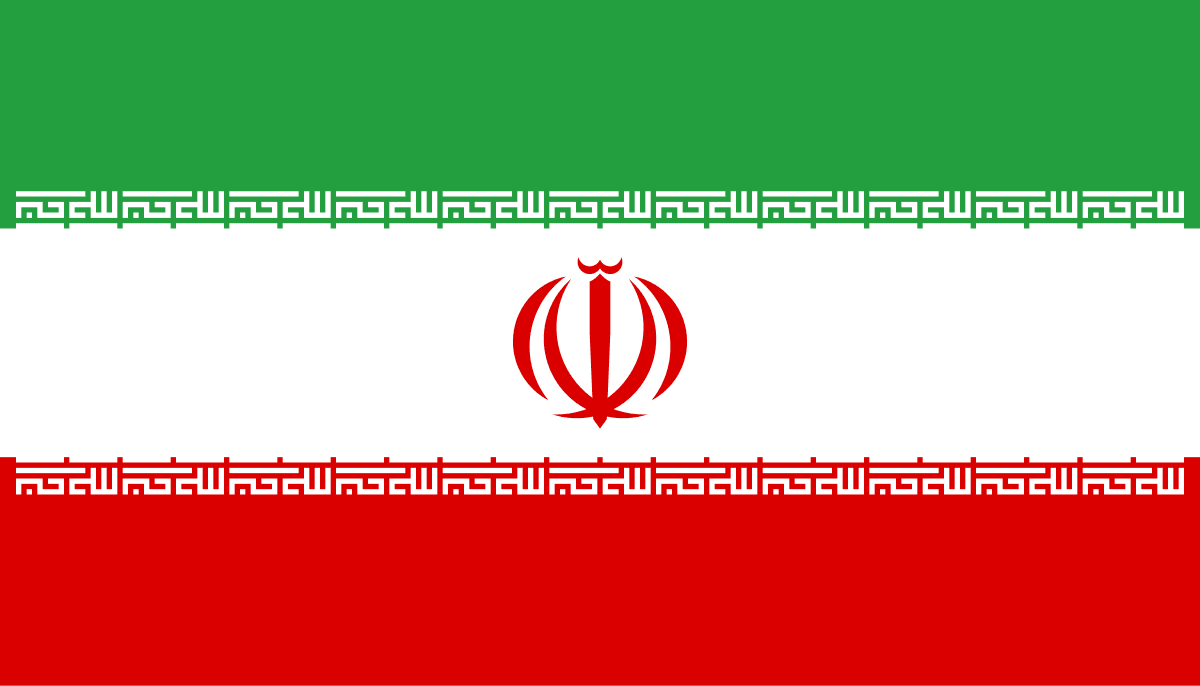
🚨 Why You Need to Read This Now: On the night of March 7, 2026 — Day 8 of the Iran War — the United States declared a 'maximum-scale bombing' of 3,000 targets across Iran including Tehran, deploying B-1, B-2, and F-35 aircraft simultaneously. This is a decisive inflection point at which the war's character may shift from a 'strike → negotiation' dynamic to a prolonged war of attrition or regime-change attempt.
TL;DR
- U.S. and Israel launch simultaneous strikes on 3,000 targets across Iran on the night of March 7, 2026 — the largest operation since the war began
- B-1 and B-2 stealth bombers + F-35 fighters fully deployed, including dozens of bunker-buster bombs
- Iran claims: 1,300+ civilians killed, thousands injured, 20+ schools struck
- Iranian president issues emergency call to halt attacks across the Middle East — interpreted as either a real signal toward surrender negotiations or a stalling tactic
- South Korea: government continues emergency response amid simultaneous pressure on energy supply, exchange rates, and defense demand
1. The Facts: What Happened on the Night of March 7
On the evening of March 7, 2026 (around 11 PM Korean time), the U.S.-Israel coalition launched simultaneous large-scale airstrikes across Iran. The U.S. Air Force deployed B-1B Lancer and B-2 Spirit stealth bombers along with F-35A stealth fighters for a non-stop strike on approximately 3,000 strategic targets including Tehran, Isfahan, and Bandar Abbas.
Key targets struck:
- Tehran air defense network, underground bunkers, IRGC headquarters
- Access routes to Natanz and Fordow nuclear facilities
- Bandar Abbas naval base and missile storage facilities
- Oil refinery and power infrastructure
MBC News Flash reported "explosions continuing throughout Tehran," while KBS reported "U.S. carpet-bombs 3,000 targets in Iran non-stop."
2. Why a 'Maximum Strike' — Now
Experts interpret this largest-ever airstrike through two lenses.
① Execution of Trump's 'Unconditional Surrender' Ultimatum
President Trump declared on the morning of March 7 that "there is no deal other than unconditional surrender." The 3,000-target bombing is the military execution of that declaration — a Shock and Awe strategy designed to break Iran's will.
② Deployment of 'Intercept-Proof' Bunker-Busters
Iran's air defense had managed a certain level of response against small-scale UAV and cruise missile attacks. However, the GBU-57 Massive Ordnance Penetrator carried by the B-2 is designed to overwhelm the saturation capacity of Iran's air defenses. In a symmetrical echo of Defense Secretary Hegseth's earlier admission that "not all missiles can be stopped," the U.S. applied the same saturation logic against Iran's defenses.
3. Context & Background: 8-Day Timeline of the War
| Date | Key Event |
|---|---|
| February 28 | U.S.-Israel joint initial strikes on Iran's nuclear facilities |
| March 1 | Iran declares partial blockade of the Strait of Hormuz |
| March 4 | Saudi Arabia and UAE announce joining the coalition |
| March 5 | KOSPI crashes 19%; circuit breaker triggered |
| March 6 | U.S. THAAD radar in Jordan destroyed; 175 killed in accidental Iran school strike |
| March 7 (morning) | Trump issues 'unconditional surrender' ultimatum |
| March 7 (night) | B-1·B-2·F-35 maximum strike on 3,000 targets in Tehran begins |
4. Outlook: 5 Shocks and Turning Points
① Iran's Regime Has Fewer Options
The Iranian president's emergency call to "halt attacks" could signal the opening of negotiations — or it could be a stalling tactic. With Iran's post-Khamenei succession structure unstable, the role of military hardliners is decisive. If Iran moves toward early negotiations following this bombing, a ceasefire within 4–6 weeks is possible; if it digs in, the conflict turns into a prolonged war of attrition.
② Korean Energy Security: Rising Risk of Full Hormuz Blockade
South Korea depends on the Middle East for 70% of its crude oil imports. If Iran fully blockades the Strait of Hormuz following this maximum strike, the 6 million barrels of UAE crude secured by the Korean government on March 7 amounts to only about twice South Korea's daily consumption — just a short-term buffer. The key variables are Korea's oil reserves (approximately 100-day supply) and the speed of alternative LNG procurement.
③ Won-Dollar Rate and KOSPI Volatility May Resume
The won-dollar rate, already past 1,500 won, and the KOSPI, which rebounded 9.6%, are expected to see additional volatility when markets reopen on Monday (March 9) following this 'maximum bombing' news. Whether the Bank of Korea is prepared to intervene in the foreign exchange market is a key watch point.
④ K-Defense Export Acceleration
With the Cheongung-II's 96% combat interception rate verified in the UAE, USFK Patriot assets under review for Middle East redeployment, and LIG Nex1 employees deployed to UAE — the maximum bombing is causing an explosive surge in urgent demand for air defense systems from countries across the Middle East, Eastern Europe, and Asia. K-defense stocks are likely to see short-term gains.
⑤ Prolonged War Scenario: Iran Nuclear Option Resurfaces
Experts at the Asahi Shimbun and Chatham House warn of the possibility that Iran's military hardliners — after Khamenei's death — may reach the conclusion that "nuclear deterrence is the only guarantee of survival." If Iran chooses secret nuclear armament, the North Korean nuclear negotiation equation and Korean Peninsula security calculus would shift dramatically.
Checklist: Key Indicators to Watch This Week
References
- MBC News Flash: 'Maximum bombing of 3,000 targets' — Tehran on fire, B-1·B-2·F-35 all deployed
- KBS LIVE: U.S. carpet-bombs 3,000 targets in Iran non-stop (March 7, 2026)
- YTN: Missiles overhead — U.S. warns of 'maximum bombing' of Iran
- Channel A: Trump 'only unconditional surrender' — Iranian president calls for end to attacks across Middle East (2026.03.07)
- Namu Wiki: 2026 Middle East Crisis
- JoongAng Ilbo: ₩5 trillion gone in 100 hours of war — can the U.S. sustain a prolonged war at ₩1.3 trillion per day?
Image Credit
- Flag of Iran: Wikimedia Commons, Public Domain