What's Happening in Geneva Today: 4 Questions the US-Iran 3rd Nuclear Talks Pose for Korea's Energy Security and Oil Prices
On February 26, 2026, the US and Iran resume their 3rd round of nuclear negotiations in Geneva, Switzerland. Iran's foreign minister signaled 'rapid agreement is possible,' but with a US aircraft carrier docked at Haifa and Trump's military pressure mounting, a breakdown could directly threaten Korea's energy security through war in the Middle East, a surge in oil prices, and LNG supply instability.
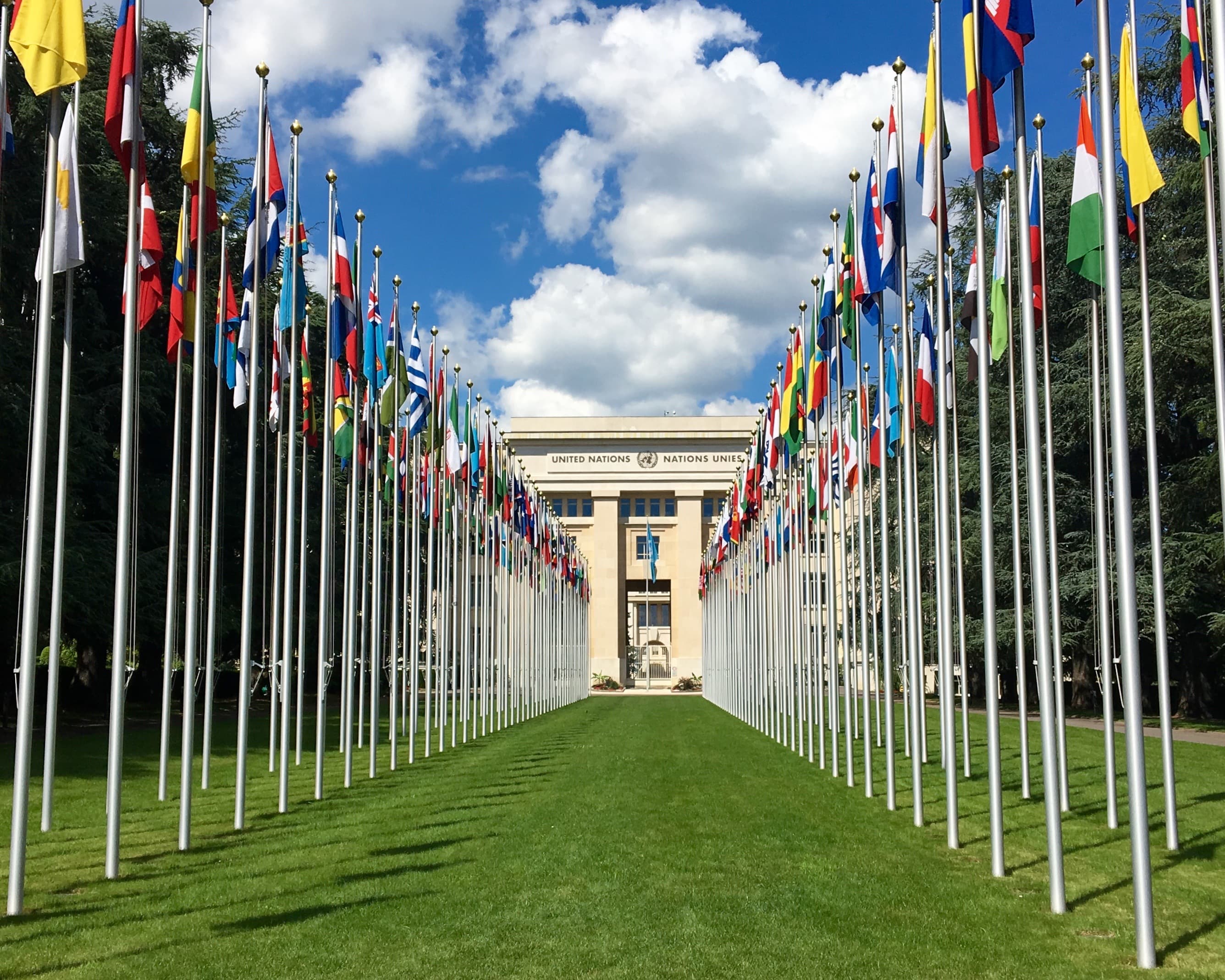
Why you need to watch this now: Today, February 26, the US and Iran sit down for their 3rd round of nuclear negotiations in Geneva, Switzerland. If a deal is reached, international oil prices could fall and energy markets could stabilize. If talks collapse, a Middle Eastern war and a $120-per-barrel oil scenario could unfold. Korea imports 97% of its energy.
TL;DR
- US-Iran 3rd nuclear talks resuming today (2/26) in Geneva, Switzerland
- Iranian FM Araghchi: "Rapid agreement is possible" — a positive signal
- But the US carrier USS Gerald R. Ford docking at Israel's Haifa port (2/24) is a pressure card
- If talks collapse, risk of US 'preemptive defense' strikes → direct hit to oil prices and LNG
- Korean Embassy in Iran: Travel Warning Level 3 (Departure Advisory) Red Alert currently in effect
The Facts: What Is Happening
US-Iran nuclear negotiations began with indirect talks in Geneva on February 17, 2026. President Trump pressured Iran with a "ten-day deadline" before talks began, and military tensions reached a peak when the USS Gerald R. Ford aircraft carrier entered Israel's Haifa port on February 24.
Today's (February 26) 3rd round of talks in Geneva is effectively the turning point of this negotiating round. Iranian Foreign Minister Araghchi expressed optimism, saying "rapid agreement is possible," and Oman's foreign minister confirmed the talks and joined as a mediator.
On the other hand, former CIA intelligence officers warned that US forces "could launch a limited military strike against Iran imminently," and Russia's Sputnik news agency reported that Trump's order to attack was imminent.
Why This Is Trending in Korea: 4 Reasons
- Direct link to oil prices: The Strait of Hormuz is a critical route through which approximately 20% of the world's oil shipments pass. In the event of conflict, a Brent crude scenario above $120 is being discussed in financial markets.
- Korea's energy dependency: Korea imports approximately 97% of its energy. High reliance on Middle Eastern crude oil and LNG means an oil price shock translates directly into higher consumer prices.
- Safety of overseas nationals: A departure advisory is currently in effect for Korean nationals residing in Iran. Korean companies' outstanding contract balances related to Iran also run into the trillions of won.
- KOSPI and the KRW/USD exchange rate: Heightened Middle East risk triggers a chain reaction — foreign capital outflows → weakening won → rising import prices.
Context: Why Negotiations Now?
The Trump administration's second term has reactivated its 'Maximum Pressure' strategy. It tightened additional sanctions on Iran immediately after the 2024 US election, and the possibility of Israel striking Iranian nuclear facilities remains ever-present.
From Iran's perspective, inflation caused by economic sanctions (running at 40–50% annually) and public discontent have reached a breaking point, creating momentum for negotiations. Cracks are also appearing in Supreme Leader Khamenei's authority at this very moment.
In the complex nuclear negotiation landscape since the 2015 JCPOA (Joint Comprehensive Plan of Action), this round of talks centers on the Trump-style deal — sanctions relief in exchange for verifiable nuclear reductions.
Outlook: 3 Scenarios
| Scenario | Probability (Market Consensus) | Oil Price Outlook | Impact on Korea |
|---|---|---|---|
| Deal reached | 35% | WTI falls below $65 | Price stability, positive for KOSPI |
| Partial deal / Talks continue | 45% | WTI holds at $70–$80 | Uncertainty persists |
| Talks collapse / Military conflict | 20% | WTI $100–$120+ | Energy import costs surge, won weakens |
The outcome of today's talks is expected to become clear in the local afternoon — between midnight and early morning Korean time.
Checklist: What Korean Readers Should Watch
Risk Check
🔴 Beware of misinformation: Reports of Trump's 'imminent attack order' are based on Sputnik (Russian state media). Source credibility requires verification.
🟡 Watch for investment overheating: Be cautious about short-term spikes in energy-related stocks driven by oil price surge narratives. A deal could trigger an immediate reversal.
Reference Links
- US-Iran talks expected to resume on 26th… Iranian FM says 'rapid agreement possible' (Yonhap News)
- Safety notice regarding possibility of US attack on Iran (Embassy of Korea in Iran)
- Energy market update — US-Iran 3rd nuclear talks scheduled Feb. 26 (kr.investing.com)
- 2026 Middle East Crisis (Namu Wiki)
Image credit: UN Office at Geneva, Switzerland — Wikimedia Commons, CC BY-SA 3.0