4 Signals from a 4-Day Southeast Asia Diplomacy: What President Lee Jae-myung's State Visits to Singapore and the Philippines Mean for Korea's AI and Nuclear Exports
President Lee Jae-myung will make state visits to Singapore and the Philippines from March 1–4 to discuss AI, nuclear energy, and defense cooperation. This analysis examines the diplomatic and economic implications of the tour—departing on Independence Movement Day—to negotiate supply chain realignment for the post-semiconductor era with key Southeast Asian partners.
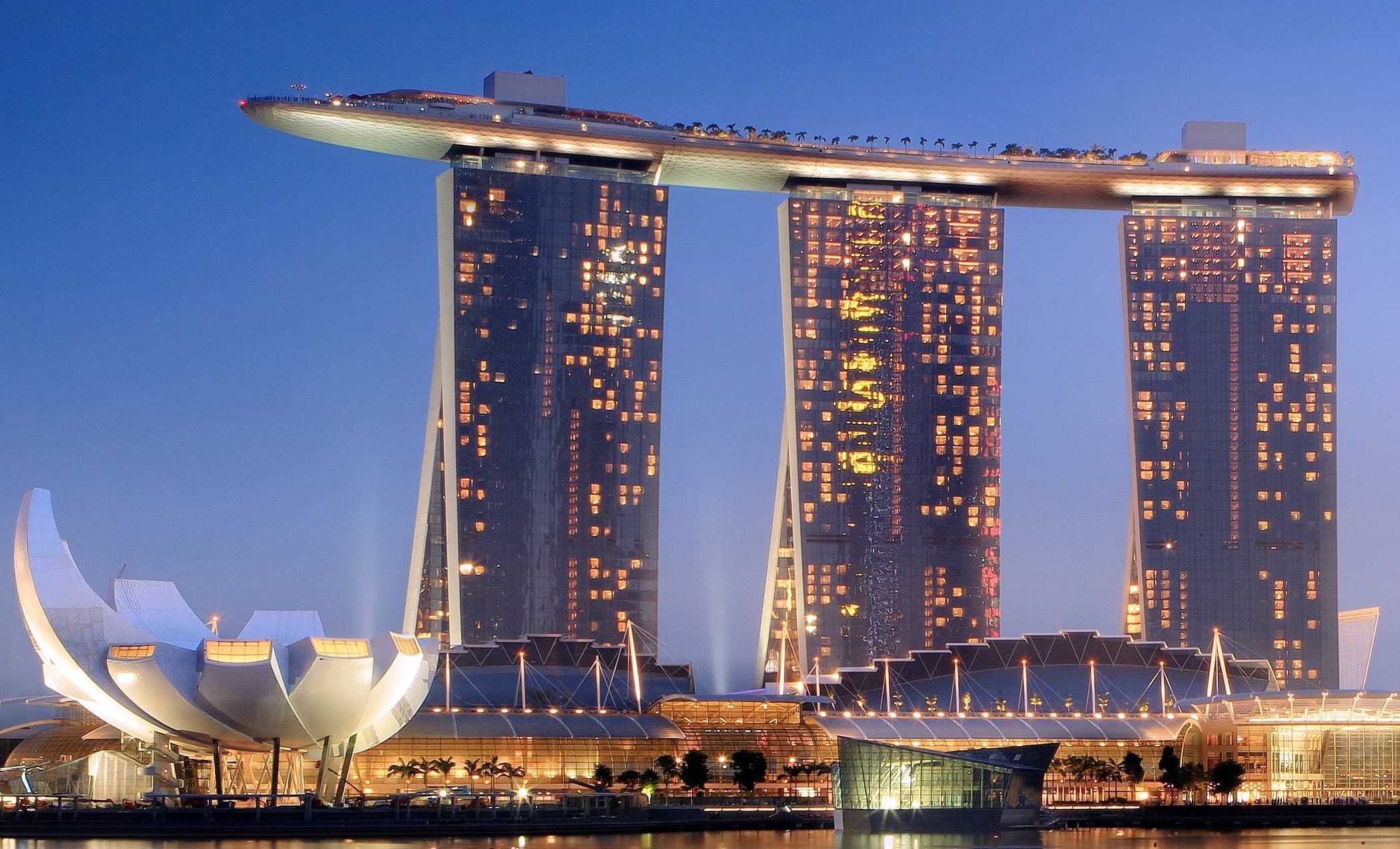
Departing on Independence Movement Day — Why Is the Korean President Heading to Southeast Asia Right Now?
TL;DR
- President Lee Jae-myung will make back-to-back state visits to Singapore and the Philippines from March 1 (Sat) to March 4 (Tue).
- In Singapore, AI and digital infrastructure cooperation will be discussed with Prime Minister Lawrence Wong; in the Philippines, nuclear energy and defense cooperation will be on the agenda with President Ferdinand Marcos.
- Coming at a time of KOSPI 6,300 and a semiconductor supercycle, this tour is being read as the opening salvo of an "economic diplomacy drive."
- The symbolism of departing on Independence Movement Day has also drawn attention — the Ministry of Foreign Affairs says the messaging of "simultaneously strengthening economy and security" was intentional.
The Facts: What Happened
Blue House spokesperson Kang Yu-jeong officially announced President Lee Jae-myung's state visit schedule to two Southeast Asian nations in a written briefing on February 27, 2026.
| Country | Dates | Head of State | Key Agenda |
|---|---|---|---|
| Singapore | March 1–3 | Prime Minister Lawrence Wong | AI, digital infrastructure, fintech |
| Philippines | March 3–4 | President Ferdinand Marcos | Nuclear energy, defense, supply chains |
Multiple outlets including Yonhap News Agency and Reuters reported simultaneously, pushing the story to the top of real-time search rankings today.
Why Now: The Drivers Behind This Timing
1. The Need for "Economic Diplomacy" After KOSPI 6,300
This tour announcement came right after the KOSPI broke above 6,300 for the first time in history. To convert the semiconductor rally led by Samsung Electronics and SK Hynix into sustainable economic growth, securing overseas supply chains and markets is essential. Singapore is emerging as Southeast Asia's AI hub, and the Philippines is becoming a leading candidate for nuclear energy adoption.
2. The Symbolism of Departing on Independence Movement Day
Departing on the anniversary of the Independence Movement is unusual. Analysis suggests the Ministry of Foreign Affairs deliberately framed the message of "inheriting the spirit of independence through global cooperation." It also has the effect of distancing the president from domestic political schedules (such as votes on the Judicial Reform Three Bills).
3. Responding to the Trump Administration's Tariff Pressure
With the Trump administration's reciprocal tariffs and semiconductor sanction threats escalating, building a multilateral Southeast Asian supply chain can be seen as Korea's risk-hedging strategy. Securing ASEAN accessibility through Singapore is the cornerstone.
Context and Background
Singapore: Prime Minister Lawrence Wong has been aggressively pursuing an AI national strategy ('Singapore AI Strategy 2.0') since taking office. There is significant room for cooperation with Korea's semiconductor and AI infrastructure technology. The two nations signed a Digital Partnership Agreement (DPA) in 2023, and this summit is expected to be a follow-up deepening of that discussion.
Philippines: The Marcos government is actively considering nuclear energy adoption to address power shortages. Korea Hydro & Nuclear Power (KHNP) has been mentioned as a candidate contractor, and there is also a possibility of additional FA-50 fighter jet acquisitions in the defense sector.
Outlook: 4 Key Points to Watch
① Whether AI Cooperation Becomes Concrete
The key question is whether the Singapore visit will produce concrete deliverables—such as joint data center investments and AI semiconductor supply contracts—beyond simple MOUs.
② Nuclear Contract Visibility
If KHNP's small modular reactor (SMR) cooperation is officially formalized in the Philippines, it could attract attention as a third consecutive nuclear diplomacy win following the Czech Republic and Poland.
③ Additional Defense Export Contracts
There is a possibility that the question of additional FA-50 light attack aircraft orders will be discussed at this summit. Korea's defense exports set an all-time record in 2025.
④ Domestic Political Variables
During the presidential tour (March 1–4), domestic political schedules will intersect, including follow-up discussions on the Judicial Reform Three Bills and the enactment of enforcement ordinances for the Constitutional Court petition system. It will be worth watching how the tour's results connect to the political climate after the president returns.
Checklist
Reference Links
- President Lee to Visit Singapore, Philippines from March 1–4, to Discuss AI and Nuclear Energy — Yonhap News
- Lee to visit Singapore and the Philippines from March 1 to 4 — Reuters
- President Lee's State Visit to Singapore and Philippines, March 1–4 — Donga Ilbo
- President Lee's State Visit to Singapore and Philippines, March 1–4, "AI and Nuclear Discussions" — KBS