Departing on Independence Day, Armed with AI & Nuclear Gifts: 5 Meanings of President Lee Jae-myung's State Visits to Singapore and the Philippines for Korean Diplomacy
President Lee Jae-myung departs on March 1st (Independence Movement Day) for back-to-back state visits to Singapore (~3rd) and the Philippines (3rd~4th). His first ASEAN tour since taking office, with AI infrastructure, nuclear energy, and defense cooperation as the key agenda.
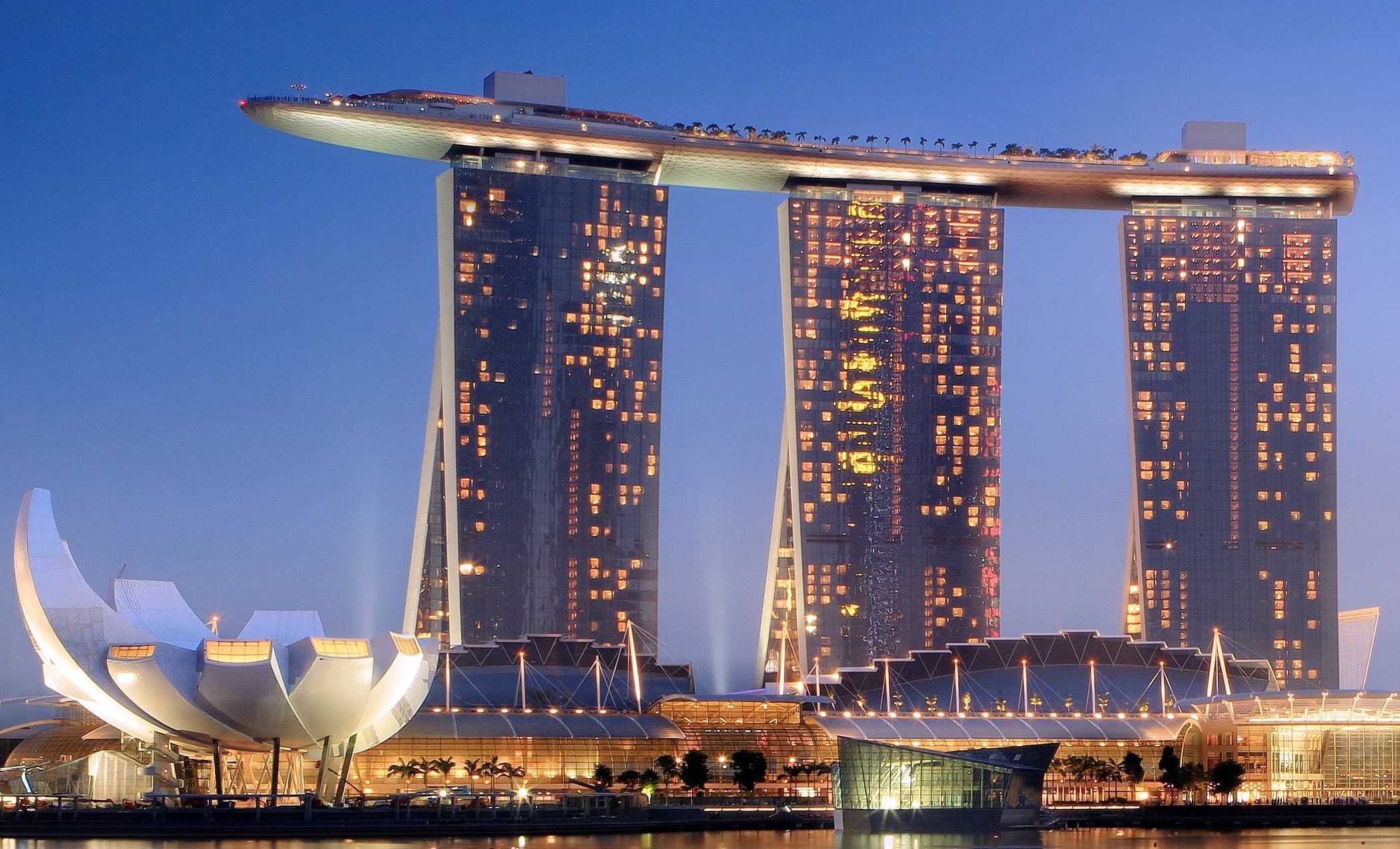
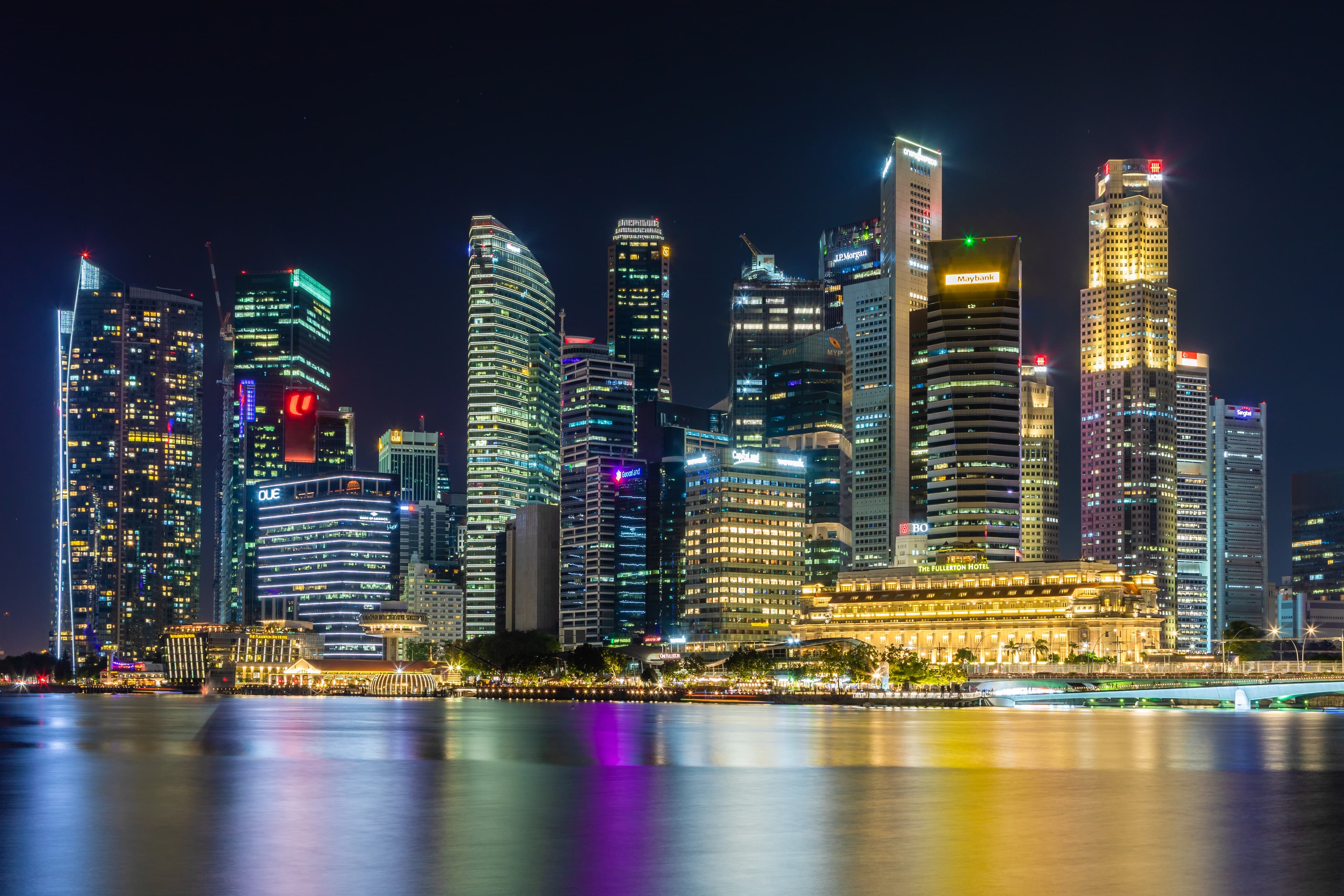
Why you should be paying attention: President Lee Jae-myung departed on Independence Movement Day (March 1), firing the opening shot of Korea's ASEAN diplomatic realignment. He arrived at Singapore's and the Philippines' doors carrying a 'future package' of AI and nuclear energy.
TL;DR
- President Lee Jae-myung, first ASEAN tour since taking office — a 3-night, 4-day state visit to Singapore and the Philippines (March 1–4, 2026)
- Summit with Prime Minister Lawrence Wong and President Tharman in Singapore; attendance at jointly hosted 'AI Connect Summit'
- Summit with President Marcos in the Philippines; on the 77th anniversary of diplomatic ties, strengthening cooperation in defense, nuclear energy, shipbuilding, and critical minerals
- Key agenda: AI infrastructure cooperation, nuclear energy exports, defense & shipbuilding — 'future-oriented industrial package' diplomacy
- Backdrop: strengthening Korea's strategic foothold in ASEAN amid global supply chain restructuring and US–China competition
The Facts: What Happened
President Lee Jae-myung departed on March 1st (Independence Movement Day) to begin a 3-night, 4-day state tour of Singapore and the Philippines. Presidential spokesperson Kang Yu-jeong disclosed the schedule through a written briefing on February 27th.
Singapore (3/1–3/3)
- Summit and friendly luncheon with Prime Minister Lawrence Wong
- Meeting and state banquet with President Tharman Shanmugaratnam
- Attendance at jointly hosted 'AI Connect Summit' — dialogue with future AI leaders
- Deepening the strategic partnership established on the occasion of last year's 50th anniversary of diplomatic ties
Philippines (3/3–3/4)
- Summit and state banquet with President Ferdinand Marcos Jr.
- March 3rd = the 77th anniversary of Korea–Philippines diplomatic relations
- Attendance at business forum; discussions on defense, infrastructure, shipbuilding, critical minerals, AI, and nuclear energy cooperation
Why It's Trending: Why Now
This tour is drawing attention for reasons that go beyond a routine diplomatic schedule.
- Symbolism of departing on Independence Movement Day: The image of departing on the day commemorating the independence movement — for the purpose of future industrial cooperation — reads as a message of 'settling the past + forging the future.'
- AI & nuclear energy package diplomacy: Singapore is rapidly emerging as Asia's AI and data center hub. Korea, one of the nuclear 'Big Four' (Korea, US, France, China), is moving to secure a foothold for SMR and nuclear energy exports in response to the explosive growth in AI power demand.
- ASEAN realignment: Unlike the previous administration's Indo-Pacific strategy, which tilted toward the US, this marks the Lee Jae-myung government's first concrete step in emphasizing autonomous economic cooperation with ASEAN.
- Defense cooperation with the Philippines: Korea is targeting the ASEAN market for defense exports including the K9 self-propelled howitzer, submarines, and warships. The Philippines is actively strengthening its defense capabilities amid tensions in the South China Sea — supply meets demand.
Context & Background: Why Singapore and the Philippines?
Singapore
Singapore is Asia's financial, logistics, and technology hub. As one of the world's most data-center-dense nations, it faces soaring power demand in the AI era. Korea's nuclear technology and AI infrastructure capabilities align precisely with what Singapore urgently needs. Prime Minister Lawrence Wong established the strategic partnership during his 2025 visit to Korea, and this trip is its follow-up.
Philippines
The Philippines is the country with which Korea established diplomatic ties first among ASEAN nations (1949). It is also a blood ally that dispatched the largest number of troops in Asia during the Korean War. The Marcos government is actively pursuing defense upgrades and infrastructure investment to counter Chinese pressure in the South China Sea. It is also emerging as a partner for Korea's diversification of critical mineral supply chains.
Outlook: Changes This Tour Will Produce
| Sector | Short-term Impact (~2026) | Mid-term Impact (2027~) |
|---|---|---|
| AI Cooperation | MOU/agreement at AI Connect Summit | Potential establishment of Korea–Singapore AI joint research institute |
| Nuclear Energy Exports | Start of discussions on small-scale nuclear energy feasibility in Singapore | Securing a reference for nuclear energy exports in Southeast Asia |
| Defense | Acceleration of Philippines submarine and warship procurement negotiations | Establishing K-defense ASEAN hub |
| Critical Minerals | MOU on Philippines nickel and copper supply chains | Stabilization of battery and semiconductor supply chains |
Estimated shelf life: Long-term issue. AI and nuclear energy cooperation will become a diplomatic agenda tracked continuously for years to come.
Checklist: Points to Watch Going Forward
Risks
- Risk of overstating diplomatic outcomes: MOUs signed immediately after a state visit often fail to translate into concrete cooperation. Assessing outcomes should remain cautious until specific contracts and investments are confirmed.
- Nuclear export uncertainty: Singapore has expressed interest in small modular reactors, but skepticism exists about feasibility given the city-state's site and safety constraints.
- Philippines political risk: Domestic political instability under the Marcos administration and fluctuations in its relationship with China remain variables.
Reference Links
- President Lee to visit Singapore and Philippines for state visits March 1–4 (Hankyoreh)
- Singapore MFA Official Statement: State Visit by President Lee Jae-myung (March 1–3)
- Reuters: South Korea's Lee to visit Singapore and Philippines (Feb 27)
Image Credit
- Image: Wikimedia Commons / Marina Bay Singapore (CC BY-SA) — https://upload.wikimedia.org/wikipedia/commons/1/16/Marina_Bay_Singapore-3499.jpg