The Price of Losing the ₩8 Trillion Orca: 5 Reasons Poland Rejected the Free Transfer of the Jangbogo Submarine
The Korean government offered to transfer the Navy's first submarine, the Jangbogo, free of charge to secure Poland's ₩8 trillion Orca submarine project, but Poland officially delivered its rejection this month. After Poland selected Sweden's Saab, the approximately ₩80 billion maintenance cost burden became the decisive obstacle, exposing the limits of Korea's defense diplomacy strategy.
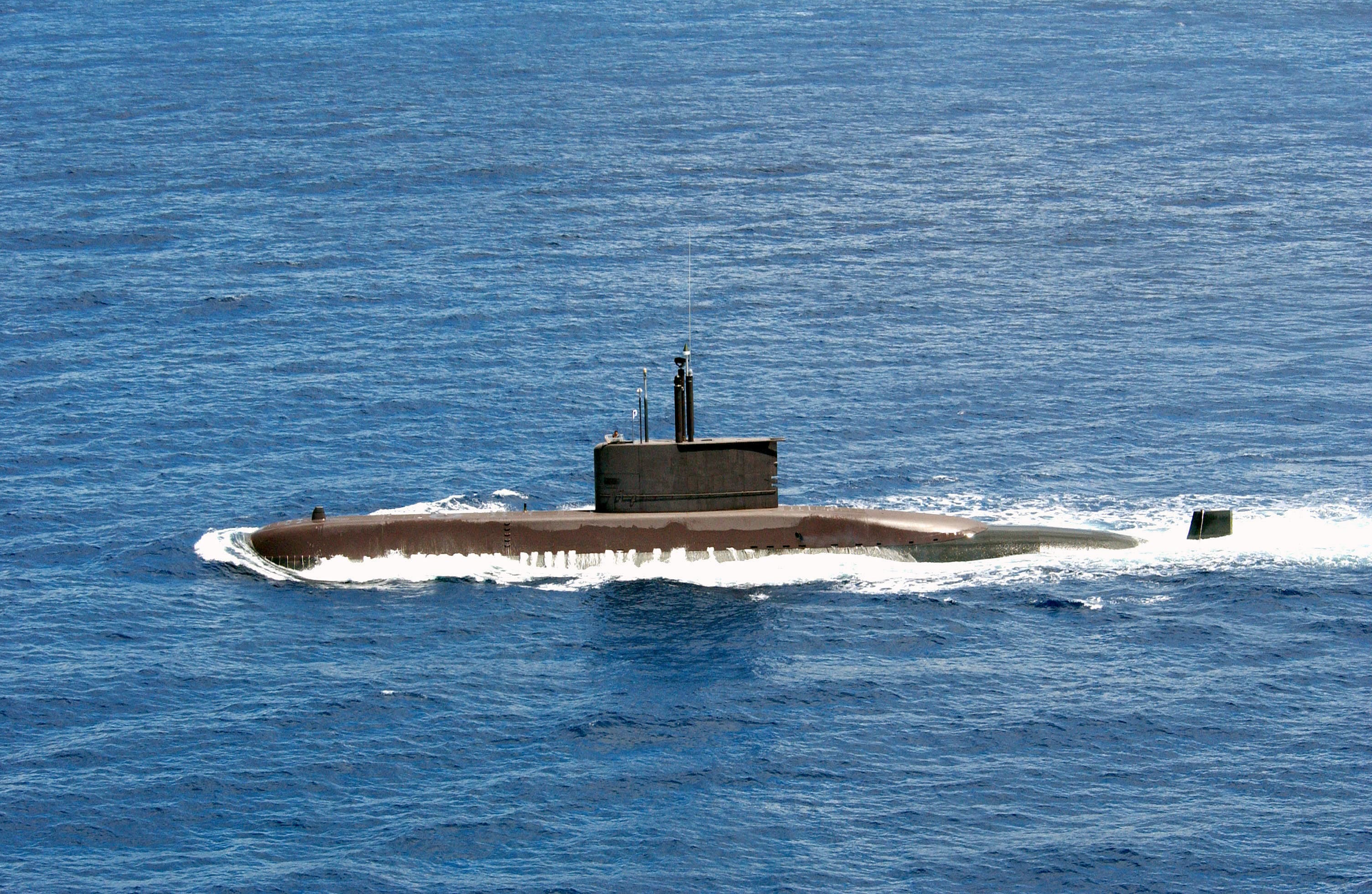
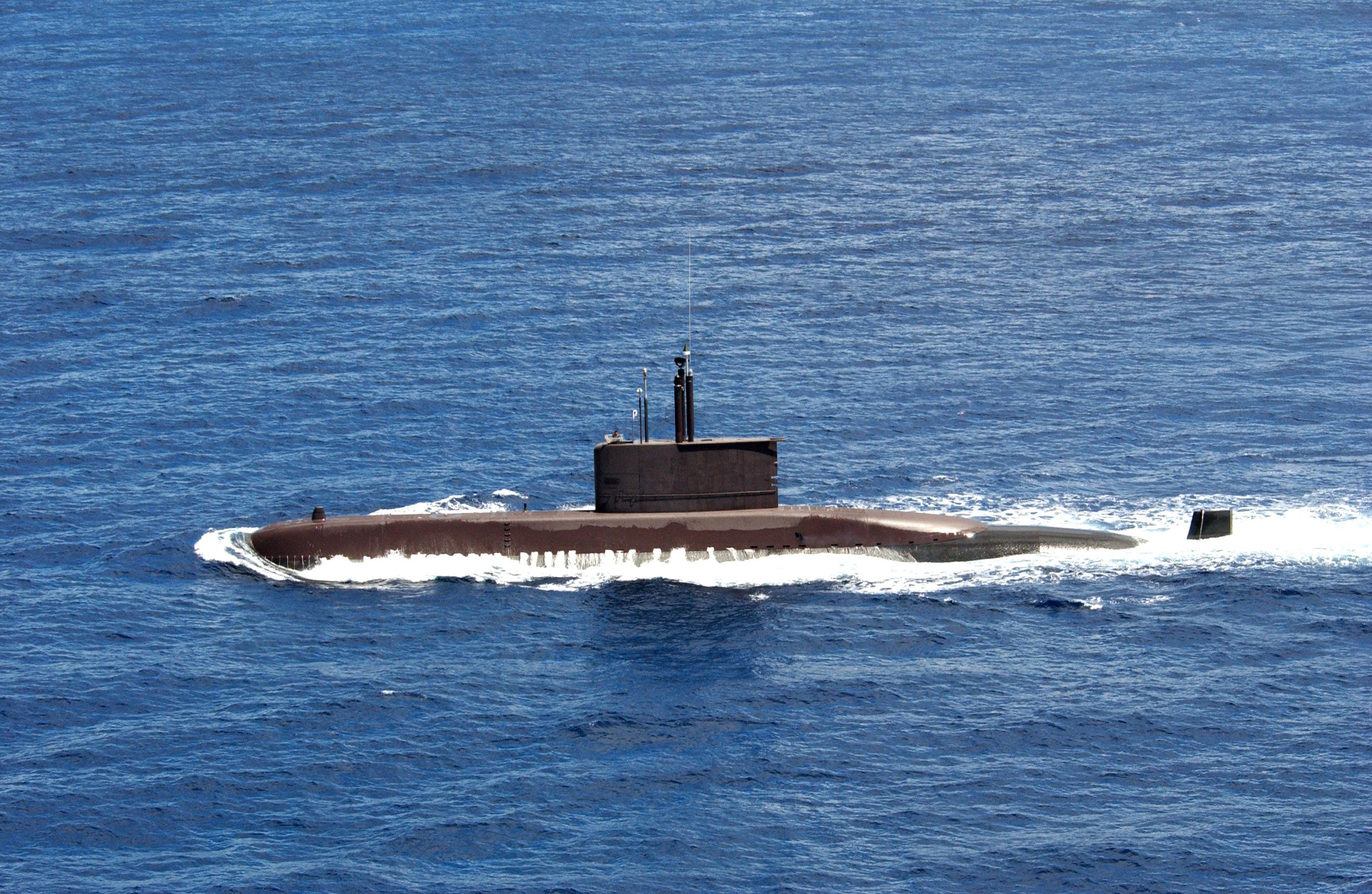
Why does this matter now? Korea's ambitious 'free Jangbogo transfer card' has been officially rejected by Poland. Following its elimination from the ₩8 trillion submarine contract race, being turned down even for a free gift strikes at the structural vulnerabilities of K-defense diplomacy.
TL;DR
- South Korea's first submarine, the Jangbogo (SS-I, 1,200-ton class), was set to be transferred to Poland for free after its retirement in December 2025.
- However, Poland officially delivered its final rejection to Korea's Ministry of National Defense earlier this month.
- Core reason: Operating a legacy Korean submarine alongside the Swedish Saab selection would reduce operational efficiency and impose a maintenance burden of approximately ₩80 billion.
- Korea is reviewing alternatives including a transfer to Peru or use as a museum exhibit.
- This incident has become an important precedent demonstrating the limits of the 'free transfer card' in K-defense diplomacy.
The Facts: What Is the Jangbogo?
The Jangbogo (SS-061) began construction at Germany's HDW shipyard in 1988 and was launched in 1991, commissioned in 1992, and deployed operationally in 1994 — Korea's historic first submarine. It sailed over approximately 633,000 km, more than 15 circumnavigations of the Earth, conducting operations for over 30 years before officially retiring in December 2025.
This is far more than just aging equipment. Building on the Jangbogo, Korea accelerated development of domestically produced submarines, and on the foundation of that accumulated technology, it recently secured approval from the United States to develop nuclear-powered submarines. It is the origin and symbol of Korea's naval power.
How It Unfolded: The Full Story of the ₩8 Trillion Orca Project
1️⃣ Hanwha Ocean Enters the Bidding and Plays Its Strategic Card
Following the outbreak of the Ukraine war, Poland moved to strengthen its defenses by pursuing the acquisition of three new 3,000-ton-class submarines (the 'Orca Project') — worth approximately ₩8 trillion in total. Hanwha Ocean, Sweden's Saab, Germany's ThyssenKrupp, Italy's Fincantieri, Spain's Navantia, and France's Naval Group all entered the competition.
The Korean government pulled out a bold card to support Hanwha Ocean's bid: a free transfer of the Jangbogo. The terms were: if Hanwha Ocean was selected, Korea would cover maintenance costs as well; if eliminated, Korea would still transfer the submarine for free, but Poland would bear the maintenance costs (approximately ₩80 billion).
2️⃣ Sweden's Saab Reverses the Race — and a Chain Reaction Begins
In November 2025, Poland selected Swedish defense company Saab as the preferred negotiating partner. Hanwha Ocean was eliminated. With this decision, the plan to transfer the Jangbogo for free also began to unravel.
The Korean government nonetheless pursued the transfer through diplomatic channels. Chief of Staff Kang Hoon-shik even visited Poland as a special envoy for strategic economic cooperation to personally convey Korea's intentions. But Poland's answer was clear.
3️⃣ Poland's Final Rejection
In early February 2026, Poland's official rejection was delivered to the Ministry of National Defense through the Polish Embassy in Seoul. First reported exclusively by the Dong-A Ilbo, this news spread through major Korean media on February 27–28.
5 Reasons: Why Did Poland Refuse?
| # | Reason | Details |
|---|---|---|
| 1 | Operational Inefficiency | Simultaneously operating a Saab submarine (Swedish) and a Jangbogo (German-designed, Korean-operated) would require a dual maintenance and training system |
| 2 | ₩80 Billion Maintenance Cost | Under the terms for Hanwha Ocean's elimination, the amount Poland would have to bear was simply too large |
| 3 | Technology Generation Gap | 1,200-ton legacy vessel vs. newly acquired 3,000-ton class — actual military capability enhancement is limited |
| 4 | Political Burden | Diplomatic awkwardness in accepting equipment from the country backing the losing bidder |
| 5 | Unclear Use Case | Difficult to deploy operationally beyond museum or training ship use; uncertain PR value relative to upkeep costs |
Context & Background: The Structural Dilemma of K-Defense Diplomacy
Korea has rapidly risen in the global defense market with the K2 tank, K9 self-propelled howitzer, FA-50 light combat aircraft, and more. Poland is one of Korea's largest defense export destinations, with tens of trillions of won in ground equipment contracts already signed.
But submarines are different. Undersea combat systems demand far greater technology secrecy sharing, maintenance partnerships, and long-term trust than ground equipment. Given that Poland is a Baltic state directly exposed to the Russian threat, it is strategically understandable that Poland would prioritize Sweden's long-established submarine expertise and security cooperation within the NATO framework.
The problem is that Korea failed even after playing the bold 'free transfer' card. This leaves a lesson that in defense diplomacy, price and incentives alone cannot substitute for security alliance relationships and technological trust.
Outlook: The Jangbogo's Next Destination
The Korean government is currently reviewing three alternatives:
- Transfer to Peru: Provide to Peru — a country Korea is pursuing submarine exports to — for promotional and training purposes
- Museum Exhibition: Display at a domestic naval history museum or the War Memorial of Korea
- Third-Country Defense Cooperation: Utilize for other potential submarine-importing client countries
Whatever decision is made, the failure of the Jangbogo's 'free diplomacy' illustrates how much time and strategy K-defense will need to build underwater platform credibility beyond surface (land and air) capabilities.
Checklist
Reference Links
- [Exclusive] Poland Decides Not to Accept Korea's First Navy Submarine 'Jangbogo' Transfer — Dong-A Ilbo (2026.02.27): https://www.donga.com/news/Politics/article/all/20260227/133437375/1
- Poland Delivers Rejection of 'Jangbogo' Transfer to Korea — News1 (2026.02.27): https://www.news1.kr/diplomacy/defense-diplomacy/6086138
- Poland Delivers Rejection of 'Jangbogo' Transfer to Korea — Korea Daily (2026.02.27): https://www.koreadaily.com/article/20260227042220656
- Korea Tried to Give the Jangbogo Too… Korea Drops Out of Poland Submarine Project — Hankyoreh (2025.11.27): https://www.hani.co.kr/arti/politics/defense/1231470.html