The Gateway to Constitutional Amendment Opens After 11 Years: 5 Reasons the National Referendum Act's Passage Simultaneously Unlocks the June 3rd Local Elections and 'One-Point Constitutional Revision'
On March 1, 2026, the National Assembly passed the National Referendum Act amendment with all 176 present members voting in favor. The legislative void that had persisted for 11 years following the Constitutional Court's 2014 ruling of constitutional incompatibility has finally been resolved, making it legally possible to hold a constitutional referendum simultaneously with the June 3rd local elections.
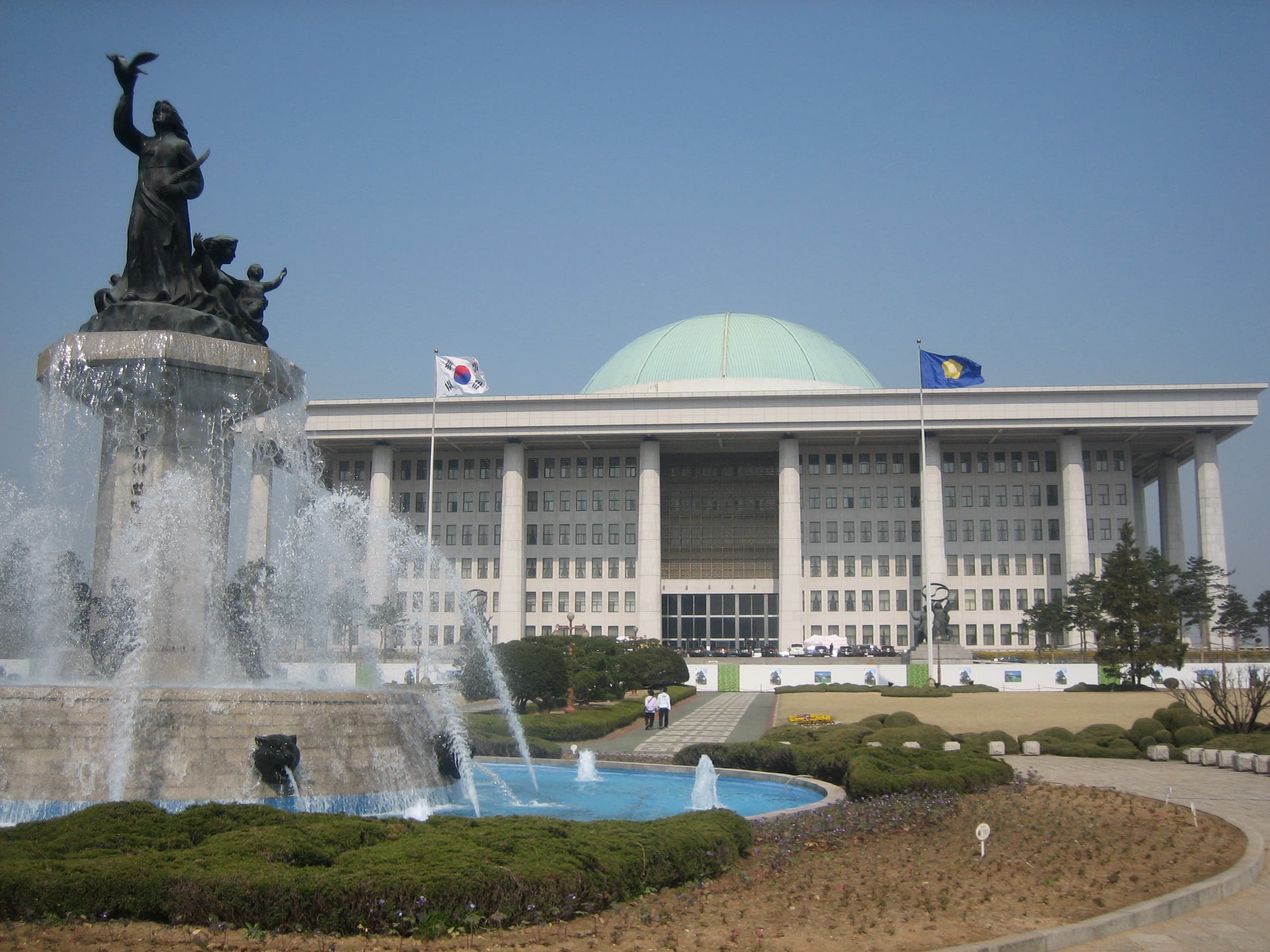
Why this law matters: Eleven years after the Constitutional Court declared it "unconstitutional" in 2014, the so-called 'gateway law' that makes constitutional revision possible has passed the National Assembly. South Korea's constitution could be amended as early as the June 3rd local elections.
TL;DR
- March 1st, Independence Movement Day — the National Assembly passed the National Referendum Act amendment with all 176 present members voting in favor
- End of an 11-year legislative void: Left unaddressed for over a decade since the Constitutional Court's 2014 ruling of constitutional incompatibility
- Key changes: Guaranteed voting rights for overseas Koreans, voting age lowered from 19 to 18, introduction of early voting
- Legal pathway secured for simultaneous June 3rd local elections and constitutional referendum
- On the same day, the Jeonnam-Gwangju Integrated Special City Act also passed — 159 in favor out of 175 present — reunifying Gwangju and South Jeolla after 40 years
1. The Facts: What Happened
At 8:45 PM on March 1, 2026 — Independence Movement Day — the National Assembly convened a plenary session and passed the Full Revision Bill of the National Referendum Act (substitute) with all 176 present members voting in favor. The People Power Party was absent from the vote.
The law's three core provisions are:
- Substantive guarantee of overseas Koreans' voting rights — Previously, only overseas Koreans who had registered a domestic address were listed in the voter registry. Under the revision, all overseas Koreans registered in the overseas voter registry may now cast ballots.
- Voting age lowered to 18 — Aligned with the Public Official Election Act.
- Introduction of early voting, absentee voting, and on-board ship voting — Significantly expanding voting convenience.
At the same plenary session, the Special Act for Establishing the Jeonnam-Gwangju Integrated Special City also passed with 159 in favor, 2 opposed, and 14 abstentions. It marks a reunification exactly 40 years after Gwangju was separated from South Jeolla Province in 1986.
2. Why It's Trending Now
Independence Movement Day + Constitutional revision + local elections — three keywords converging at once.
The Democratic Party had already unveiled its 'one-point constitutional revision' roadmap on February 27th. The core plan: hold a constitutional referendum simultaneously with the June 3rd local elections to enshrine the spirit of the May 18th Democratization Movement in the constitutional preamble.
Without the National Referendum Act amendment, the National Election Commission could not have built the overseas voter system by the four-month deadline before election day. In other words, this revision was the physical prerequisite for a constitutional referendum.
The People Power Party had initially launched a filibuster (unlimited debate), but voluntarily ended it after five nights and six days in exchange for processing the Daegu-Gyeongbuk Integration Special Act (TK Integration Act). Since the Democratic Party did not agree to the TK Integration Act, the PPP was absent from the vote.
3. Context and Background: What Happened Over 11 Years
| Year | Event |
|---|---|
| 2014 | Constitutional Court rules overseas Korean voting restrictions in the National Referendum Act constitutionally incompatible |
| 2015 | Constitutional Court recommends National Assembly amend the law by 2015 |
| 2016–2024 | Ruling and opposition parties fail to reach agreement; legislative void continues for 10 years |
| 2025 | Lee Jae-myung administration launches; constitutional revision declared 'National Policy Priority No. 1' |
| Feb 23, 2026 | Passes the National Assembly's Interior and Safety Committee, led by the Democratic Party |
| Mar 1, 2026 | Passed in plenary session with unanimous approval |
The reason the National Assembly delayed the revision for a full 11 years despite the Constitutional Court's ruling was that both ruling and opposition parties could not agree on the direction of constitutional revision. The Democratic Party's unilateral passage forcibly broke that deadlock.
4. Stakeholders: Who Is Involved
- Democratic Party of Korea: Aims to maintain 'reform momentum' by simultaneously pursuing the June 3rd local elections and a constitutional referendum
- People Power Party: Failed to prevent the law's passage without securing the TK Integration Act in exchange for ending the filibuster. Backlash over alleged "violation of procedural democracy"
- Overseas Koreans: Beneficiaries of substantially expanded voting rights
- 18-year-old voters: Eligible to participate in a national referendum for the first time
- Gwangju and South Jeolla residents: Administrative reunification after 40 years; first 'inaugural integrated city mayor' to be elected in June
- National Election Commission: Controversy over whether technical preparations can now begin, given that the four-month deadline before June 3rd (February 3rd) has already passed
5. Outlook: Will Constitutional Revision Actually Happen?
Optimistic scenario: The turnout effect of the June 3rd local elections boosts referendum participation. A 'minimalist revision' such as enshrining the spirit of May 18th in the preamble gains broad public consensus.
Pessimistic scenario: Ruling and opposition parties fail to agree on the content of the constitutional amendment. The People Power Party runs an opposition campaign, and the referendum fails. The Democratic Party-led revision faces criticism as a 'unilateral amendment.'
Checklist
6. Secondary Issues: Derivative Debates
- Scope of the 'one-point constitutional revision': Will it be limited to enshrining the May 18th spirit, or will decentralization and strengthened basic rights be added?
- TK Integration Act vs. Jeonnam-Gwangju Integration Act: Controversy over the Democratic Party's 'selective processing' — passing the Gwangju-Jeonnam integration while holding back the Daegu-Gyeongbuk integration
- 18-year-old voters: The impact of the first generation eligible for a national referendum on the outcome
- Record-high overseas Korean participation: With approximately 7.5 million overseas Koreans, the scale of voter turnout could determine the result
References
- National Referendum Act passes — simultaneous June 3rd local elections and constitutional referendum now possible (Dong-A Ilbo)
- 'Gateway to constitutional revision' — National Referendum Act passes under pan-ruling party leadership (Hankyoreh)
- Jeonnam-Gwangju Integration Act and National Referendum Act pass under ruling party leadership; 5-night-6-day filibuster ends (Yonhap News)
- Gwangju-Jeonnam Integration Act passes plenary session under ruling party (Chosun Ilbo)
- National Referendum Act amendment filibuster ends — National Assembly plenary session adjourns (Yonhap News)
Image Credit
- National Assembly of Korea: Korea-Seoul-Yeouido-National_Assembly_Building-06.jpg (Alain Seguin / Wikimedia Commons, CC BY-SA 3.0)