The First Step in AI & Nuclear Diplomacy: 5 Meanings of President Lee Jae-myung's State Visits to Singapore and the Philippines for Korea's Technology Diplomacy
President Lee Jae-myung made state visits to Singapore and the Philippines from March 1–4, positioning AI and nuclear energy as the core areas of cooperation. This 'technology diplomacy' tour is read as Korea's strategic move to secure new growth partners amid a period of geopolitical upheaval.
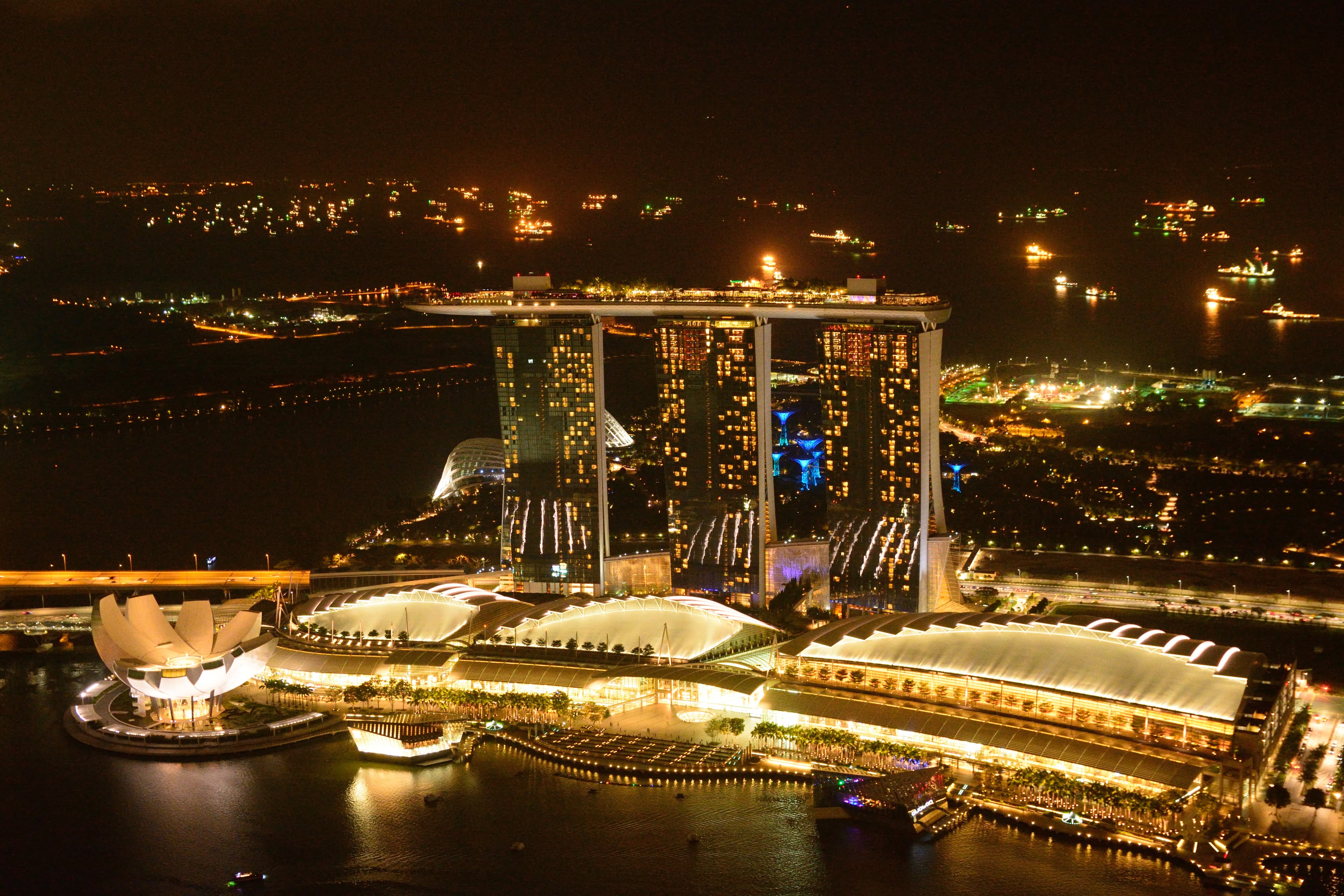
Right now, the center of gravity in Korean diplomacy is quietly shifting — from Washington and Beijing toward Southeast Asia.
TL;DR
- President Lee Jae-myung is on a state visit to Singapore and the Philippines from March 1–4.
- The core agenda is AI cooperation and nuclear energy cooperation (including SMRs), with technology diplomacy taking center stage.
- The visit is a strategic move to strengthen multilateral cooperation with ASEAN amid the U.S.–China power rivalry, reducing the risk of 'Korea passing.'
- Both countries are actively planning to introduce or expand nuclear power, making them potential new footholds for Korean nuclear exports.
1. The Facts: What Happened
President Lee Jae-myung is visiting Singapore and the Philippines from March 1 to 4. According to the Presidential Office, the two core themes of this visit are:
- Artificial Intelligence (AI): Discussions on joint investment in data centers, AI governance cooperation, and digital infrastructure development
- Nuclear Energy: Exploration of Small Modular Reactor (SMR) technology cooperation and nuclear export opportunities
Singapore is Asia's financial and logistics hub and a nation actively expanding AI data center investment. The Philippines is a fast-growing emerging economy at the top of energy transition rankings. Both countries are actively considering the introduction or expansion of nuclear power, making them strategic markets for Korean nuclear exports (APR1400 and SMR).
2. Why Southeast Asia, Why Now — The Background
There are three structural reasons this visit is drawing attention:
- Intensifying U.S.–China Power Rivalry: As the Trump 2.0 administration escalates tariff offensives and China pushes back, Korea faces growing pressure to build its own independent economic and technology cooperation network with ASEAN.
- AI Data Center Competition: Singapore, Malaysia, and Indonesia are competing to become Asia's AI infrastructure hub. Korea's early entry into this race would also benefit Samsung Electronics and SK Hynix in securing semiconductor demand.
- Nuclear Export Momentum: Following Czech Republic and Poland, Korea is eyeing the Southeast Asian nuclear market. The Philippines has officially revived discussions on restarting the Bataan Nuclear Power Plant under the Marcos Jr. government, while Singapore is considering SMR adoption as part of its 2030s energy mix.
3. Stakeholders: Who Is Involved
| Party | Interest |
|---|---|
| Korean Government | Achieving 'technology diplomacy' results through AI cooperation and nuclear exports; preventing Korea passing |
| Singapore | Securing AI data center investment partners; gaining early access to SMR technology |
| Philippines | Strengthening energy security; expanding economic infrastructure |
| Samsung Electronics & SK Hynix | Expanding HBM and DRAM demand from AI data centers |
| KHNP & Doosan Enerbility | Securing a Southeast Asian foothold for SMR and APR1400 exports |
| United States & China | Risk of pressure if Korea's multilateral diplomacy is interpreted as defection from their respective blocs |
4. Longevity: How Long Will This Issue Last?
Simple visit news has a lifespan of 1–3 days, but if follow-up agreements and investment announcements continue, it could extend 1–2 weeks or more. Key factors to watch:
- Whether a nuclear cooperation MOU with the Philippines is signed
- The scale of a joint AI data center investment announcement with Singapore
- Whether this connects to the broader 'Korea passing' discourse linked to Trump's April visit to China and North Korea–U.S. dialogue, turning this into a long-term issue
5. Derivative Issues & Checklist
References
- South Korea's Lee to visit Singapore and Philippines from March 1 to 4 — Reuters (2026.02.27)
- Korea JoongAng Daily — What's Popular Now
Image Credit
- Singapore Marina Bay Sands at Night: Wikimedia Commons — CC BY-SA 3.0