443 Days to Verdict: 5 Questions Yoon Suk-yeol's Life Sentence Left in South Korea's Constitutional History
On February 19, 2026, the Seoul Central District Court sentenced former President Yoon Suk-yeol to life imprisonment on charges of leading an insurrection related to the December 3 emergency martial law declaration. Both the special prosecutor, who had sought the death penalty, and Yoon's defense team have filed appeals, signaling an upcoming second-trial legal battle.
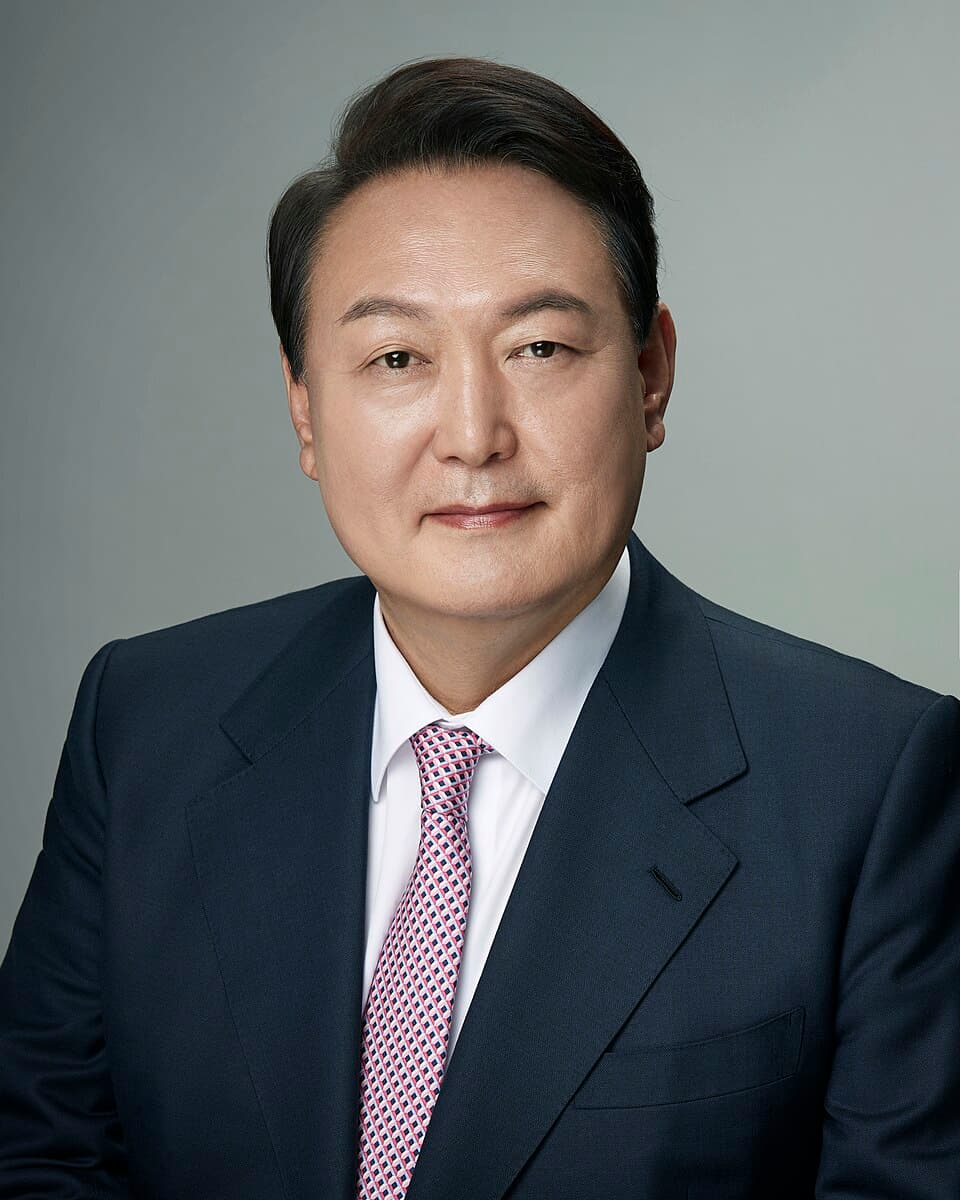
On February 19, 2026, an unprecedented ruling was handed down in South Korea's constitutional history. A former president who declared the December 3 emergency martial law was sentenced to life imprisonment — a penalty near the maximum under law — on charges of leading an insurrection. It came 443 days after the martial law declaration.
TL;DR
- Seoul Central District Court, Criminal Division 25 (Presiding Judge Ji Gwi-yeon): Guilty of leading insurrection, life imprisonment (Feb. 19, 2026)
- Special prosecutor sought death penalty → Court imposed life imprisonment (special prosecutor also appealed citing excessive leniency)
- Yoon's defense team also filed an appeal (Feb. 24)
- Co-defendants: Kim Yong-hyun — 30 years / Noh Sang-won — 18 years / Cho Ji-ho — 12 years / Kim Bong-sik — 10 years / Mok Hyeon-tae — 3 years
- Acquitted: Former Colonel Kim Yong-gun, former Police Chief Liaison Officer Yoon Seung-yeong
The Facts: What Happened
On the night of December 3, 2024, then-President Yoon Suk-yeol declared a state of emergency martial law — the first in South Korea in 45 years. Military forces entered the National Assembly grounds by helicopter, and physical clashes broke out between troops, lawmakers, and civilians. The martial law was lifted within six hours, but more than 120 people were subsequently indicted in its aftermath.
The court identified the core of the case as "sending the military to the National Assembly." It ruled that the intent to arrest key figures — including the Speaker of the National Assembly and the leaders of both ruling and opposition parties — and to block the vote on lifting martial law constituted "the purpose of disturbing the constitutional order" under the Criminal Act.
"It is not difficult to conclude that there was an internal purpose of paralyzing the legislative function by blockading the National Assembly and arresting key political figures."
— Seoul Central District Court, Criminal Division 25
Why This Verdict Made Headlines
① This is the first case in South Korean constitutional history in which a sitting president was convicted of insurrection for declaring emergency martial law while in office.
② The prosecution and special prosecutor sought the death penalty, but the court imposed life imprisonment, sparking a sentencing debate. Mitigating factors included no use of live ammunition, limited use of physical force, no prior criminal record, and advanced age.
③ The special prosecutor objected to the court's finding that the martial law decision was made "two days in advance," and confirmed its intention to appeal on grounds of legal misinterpretation and excessive leniency (Feb. 23). Yoon's defense filed its appeal two days later (Feb. 24).
④ Major international media outlets — Reuters, BBC, CNN, Al Jazeera, and NPR — all reported on the ruling simultaneously, drawing global attention.
Context: The Legal Significance of the Insurrection Charge
The court acknowledged in principle that the president's act of declaring emergency martial law itself is difficult to subject to judicial review, as it constitutes an exercise of constitutional authority. However, it established new legal doctrine — that insurrection charges apply if the purpose was to infringe upon the powers of constitutional institutions and paralyze their functions.
Also notable is the ruling that the entry of armed troops into the National Assembly and the physical clashes met the legal requirement of "riot" under the Criminal Act. The recognition of a riot despite the absence of fatalities is expected to set a precedent for similar cases in the future.
Outlook: The Appeal and Social Fallout
🔮 Second Trial (Appeal) Scenarios
🗳️ Political and Social Fallout
Checklist: Key Upcoming Dates to Watch
Reference Links
- Seoul Central District Court Verdict Summary – SBS News
- Reuters original report (English)
- BBC Korean verdict analysis
- Law Times – Remaining 6 first-instance trials
- Yonhap News – Special prosecutor's appeal decision
- Amnesty International statement (English)
Image Credit
- Official portrait of former President Yoon Suk-yeol: Wikimedia Commons (provided by the Office of the President of the Republic of Korea, public domain)