Half-Price Wegovy: The 3 Real Reasons Novo Nordisk Cut U.S. Prices by 50% — and What It Means for Korea
Danish pharmaceutical giant Novo Nordisk announced it will unify the U.S. list prices of obesity drug Wegovy and diabetes drug Ozempic at $675/month starting 2027 — a cut of up to 50%. Having lost its GLP-1 market leadership to Eli Lilly, Novo Nordisk is now fighting back on price.
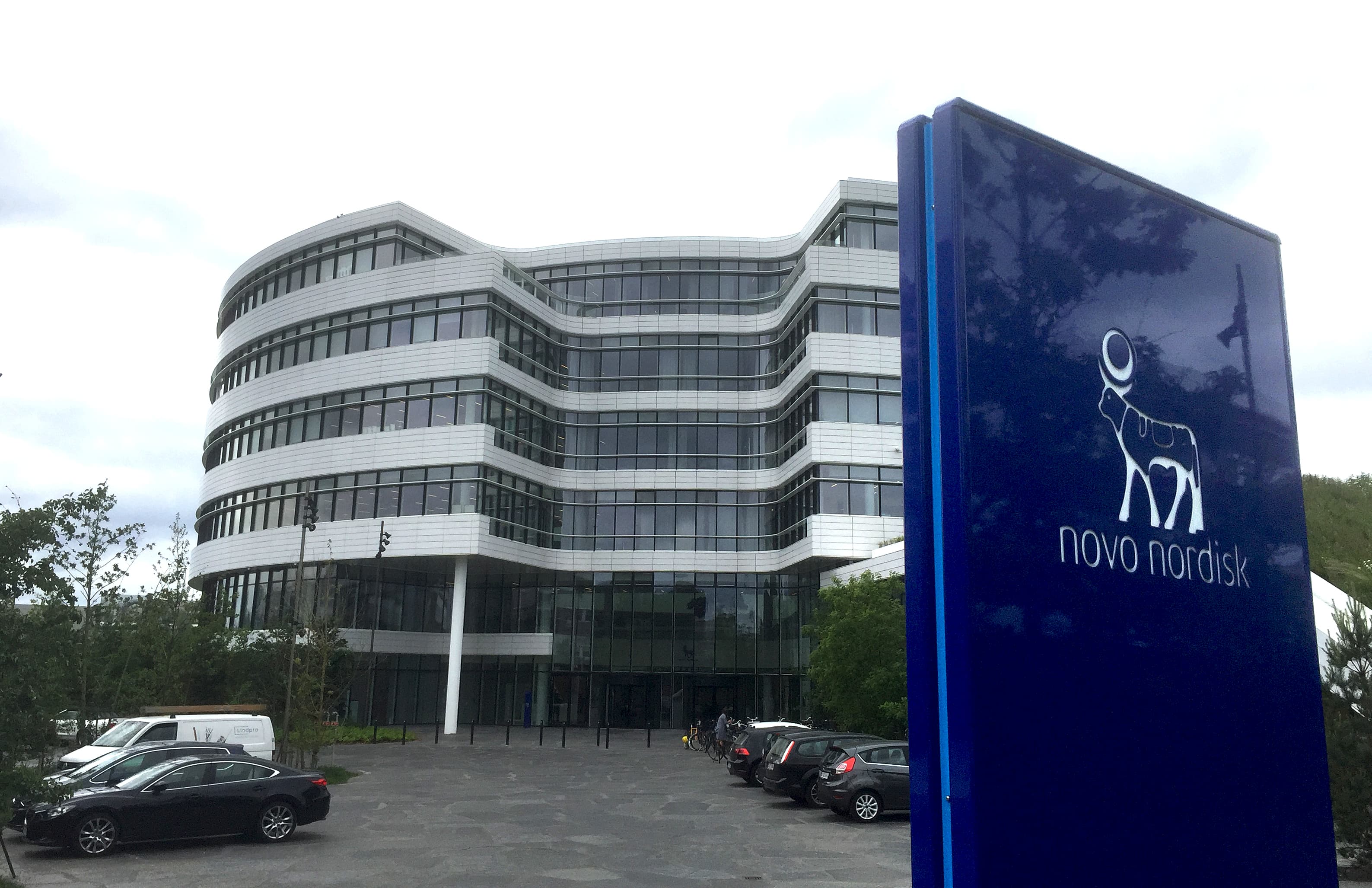
Why this matters now: Starting 2027, the U.S. price of Wegovy will be cut in half. The dynamics of the GLP-1 obesity drug market are shifting — and the ripple effects could reignite debate over drug pricing policy and patient access in Korea.
TL;DR
- Novo Nordisk will unify the U.S. list price of Wegovy, Ozempic, and Rybelsus at $675/month starting January 1, 2027
- Wegovy cut by 50%, Ozempic by 35% vs. current prices
- Key drivers: losing the #1 GLP-1 market position to Eli Lilly (Mounjaro/Zepbound), the clinical failure of next-gen drug CagriSema, and price-cut pressure from the Trump administration
- Korea's non-reimbursed Wegovy price is ~₩700,000–800,000/month — nearly the same as the post-cut U.S. price
- Short-term impact on Korea is limited; medium-to-long-term drug pricing policy discussions may be affected
What Happened
On February 24, 2026 (local time), Danish pharmaceutical company Novo Nordisk announced it would reduce the wholesale acquisition cost (WAC) of three semaglutide-based drugs in the U.S., effective January 1, 2027.
| Drug | Current Monthly WAC | 2027 Monthly WAC | Price Cut |
|---|---|---|---|
| Wegovy | ~$1,350 | $675 | 50%↓ |
| Ozempic | ~$1,028 | $675 | 34%↓ |
| Rybelsus | ~$1,000 | $675 | 32%↓ |
The cuts apply uniformly across all doses and both injectable and oral formulations. However, self-pay channels are not affected — those prices are already lowered through coupons and manufacturer assistance programs.
Why Now? — 3 Key Drivers
1. Losing #1 to Eli Lilly
Once hailed as a "miracle obesity drug," Wegovy dominated the GLP-1 market in 2023–2024. But Eli Lilly's Mounjaro and Zepbound demonstrated superior weight-loss outcomes in clinical trials while pursuing aggressive pricing. Novo Nordisk has been rapidly losing market share.
2. Clinical Failure of Next-Gen Drug CagriSema
Novo Nordisk's ambitious next-generation obesity therapy, CagriSema, failed to surpass Mounjaro in weight-loss efficacy in clinical results. The stock dropped more than 16% on the announcement day, with a year-to-date decline of 23%. Instead of a "technology reversal" via a new drug launch, the company has been forced to pivot to a price competitiveness defense strategy.
3. Trump Administration's 'Most Favored Nation (MFN)' Drug Price Pressure
President Trump has repeatedly demanded steep price cuts from major pharmaceutical companies, arguing that "Americans pay the highest drug prices in the world." In November 2025, after a meeting with the CEOs of Novo Nordisk and Eli Lilly, an agreement was reached to apply MFN pricing principles. This announcement is the concrete follow-through on that promise. Direct discounted sales via TrumpRx.gov are also ongoing.
Who Benefits, Who Is Affected
Benefits: Patients enrolled in high-deductible health plans. Those whose out-of-pocket costs are calculated based on the list price — before insurer rebate negotiations — stand to benefit most directly. An estimated 100 million obese Americans and 35 million with type 2 diabetes are potential beneficiaries.
Market impact: The GLP-1 market currently stands at $72 billion globally (~₩103 trillion), with projections reaching $139 billion (~₩200 trillion) by 2030. While the price cut creates short-term revenue pressure, broader access could drive long-term market expansion.
Impact on Korea
Korea's current non-reimbursed Wegovy prescription price is approximately ₩700,000–800,000/month — close to or even lower than the post-cut U.S. price ($675 ≈ ₩970,000).
- Short-term impact limited: Key semaglutide patents in Korea remain valid until 2028, making full-scale generic competition unlikely in the near term.
- Medium-to-long-term ripple: If global price benchmarks drop, Korea's drug pricing negotiations and insurance coverage discussions may see the "reference price" debate reignited.
- Supply variable: If U.S. demand surges, global production allocation may shift toward the U.S., potentially reviving domestic supply constraints.
Outlook: What's Next in the GLP-1 Price War
- Eli Lilly is reportedly considering a matching price cut, signaling Round 2 of the GLP-1 price war
- Semaglutide patents in China are set to expire in March — local generic launches are becoming a realistic prospect
- Combined with the Trump administration's Medicare negotiated price ($274/month), actual out-of-pocket costs for U.S. patients could fall even further
Checklist: How to Read This Issue
Reference Links
- CNN: Novo Nordisk to slash Ozempic and Wegovy list prices by up to 50% for 2027
- Edaily: Wegovy price war heats up — Novo Nordisk to sell at half price in the U.S.
- Epoch Times Korea: Novo Nordisk halves Wegovy price in the U.S. — now on par with Korean price
- Seoul Economy: Novo Nordisk slashes Wegovy and Ozempic in half — full-scale price war begins