The Paradox at the All-Time High: KOSPI Breaks 6,300 Yet VKOSPI Hits 54.67 'Extreme Fear' — 5 Warnings from Record Margin Debt and Foreign Selling
On the very day KOSPI broke above 6,300 for the first time in history, Korea's fear gauge VKOSPI surged to 54.67, entering the 'extreme fear' zone. Foreign investors recorded their largest-ever monthly net sell of ₩7 trillion, while margin debt (빚투) hit an all-time high — producing an unprecedented market structure of simultaneous peak gains and peak fear.
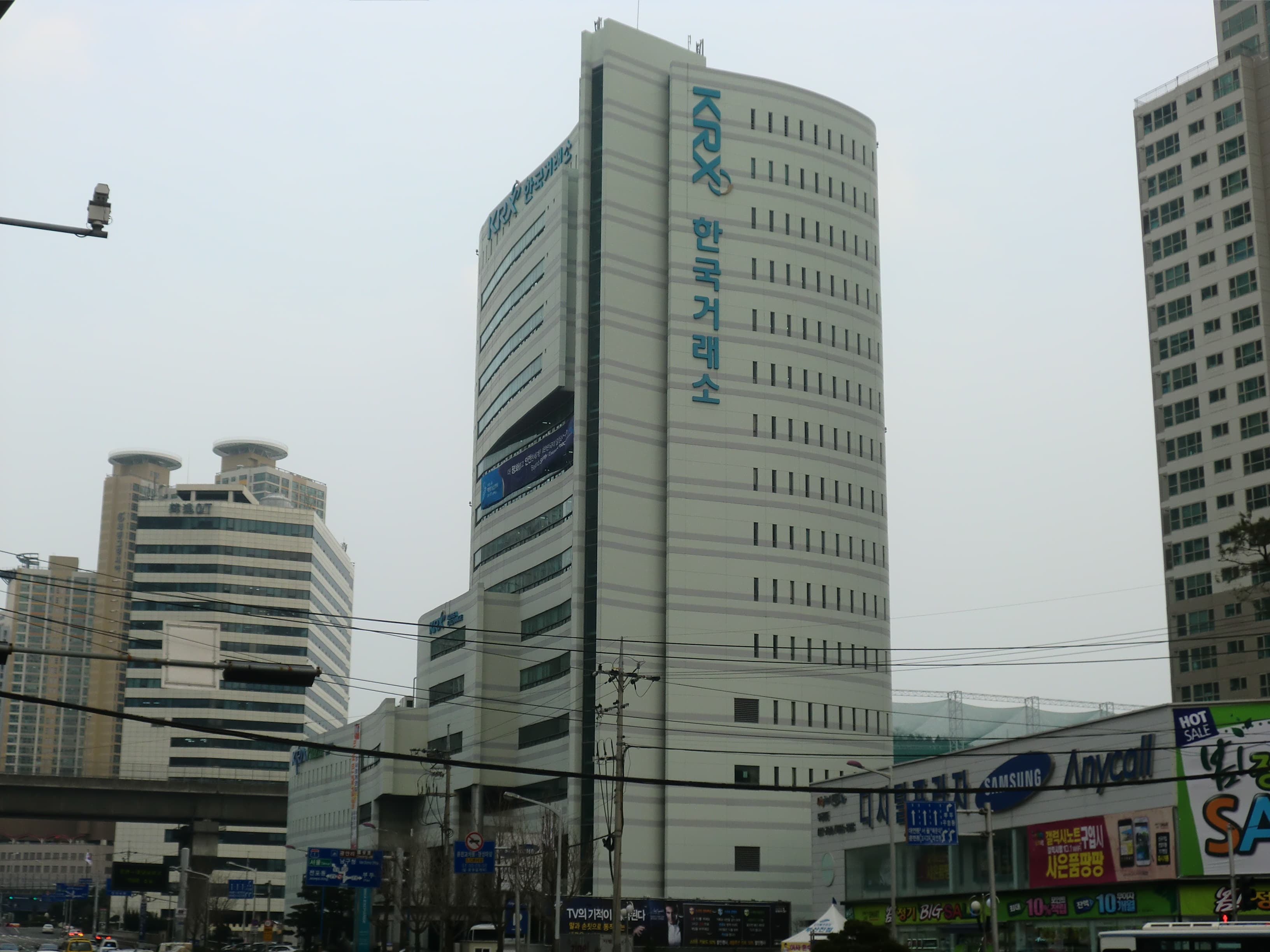
One-Line Hook: At the historic moment KOSPI broke 6,300, the market simultaneously recorded 'extreme fear' — the warning this paradox is sending to individual investors must be decoded now.
TL;DR
- KOSPI broke above the 6,300 level on February 26, 2026, setting an all-time high.
- On the same day, Korea's fear index VKOSPI (KOSPI200 Volatility Index) surged to 54.67, entering the 'extreme fear' zone (generally defined as 50 or above).
- Foreign investors recorded a net sell of approximately ₩7 trillion this month (Feb. 2–26), the largest single-month net sell on record.
- Margin debt ("빚투") balance hit an all-time high, with individual investors' leveraged bets reaching a peak.
- Individual ETF flows placed record bets on both upside and downside simultaneously — extreme directional confusion in the market.
📊 Live Market Indicators as of February 26, 2026
| Indicator | Level | Significance |
|---|---|---|
| KOSPI Index | Above 6,300 | All-time high |
| VKOSPI (Volatility Index) | 54.67 | Extreme fear zone (50+) |
| Foreign Net Sell (Feb. cumulative) | ~₩7 trillion | Record monthly net sell |
| Margin Debt Balance | All-time high | Record margin borrowing level |
| KOSPI200 Inverse 2X ETF (Individual Net Buy) | ₩560.1 billion | 2nd largest individual bearish ETF bet |
| KODEX 200 (Individual Net Buy) | ₩1.2178 trillion | 1st largest individual bullish ETF bet |
🔍 The Facts: What Is Happening
KOSPI Breaks 6,300
On February 26, 2026, KOSPI surpassed the 6,300 level for the first time ever. Nvidia's stronger-than-expected earnings sent a tailwind through the global semiconductor sector, lifting major domestic chip stocks in tandem and pushing the index higher. KOSPI has already surged thousands of points within 2026 alone.
VKOSPI at 54.67 — What Is 'Extreme Fear'?
VKOSPI (Volatility Index of KOSPI) is a 'fear gauge' that projects the expected swing of the index over the next month based on KOSPI200 option prices. Readings below 30 are generally considered stable; above 50 signals extreme fear. A jump of more than 10 points in just two days (Feb. 25–26) to reach 54.67 means market participants strongly fear a sharp index swing in the near term.
₩7 Trillion Foreign Net Sell — Record-Breaking
During February 2026 (Feb. 2–26), foreign investors net-sold approximately ₩7 trillion on KOSPI — the largest single-month net sell on record. This is interpreted as profit-taking by foreign investors who see limited room for further gains, or as a reduction of emerging-market exposure as part of global portfolio rebalancing.
Margin Debt at All-Time High
Individual investors, in contrast, expanded margin borrowing to record levels, betting on continued upside with leverage. Historically, when margin debt peaks, it tends to coincide with index tops — and a market reversal could trigger a cascade of forced liquidations, amplifying any downturn.
⚙️ The Mechanism: Why Did Fear and Gains Peak Simultaneously?
- Narrow concentration in a few stocks: Rather than a broad KOSPI rally, just 2–3 mega-cap semiconductor names like Samsung Electronics and SK Hynix are driving the index. Most other stocks are falling or flat, producing the paradox of 'index at all-time high, individual portfolios in loss.'
- Foreign selling vs. individual buying: A structure in which individuals — even using margin — are absorbing shares being offloaded by profit-taking foreigners has persisted, accumulating latent supply-shock risk.
- Global uncertainty: Simultaneous external shocks — U.S.–Iran military conflict, Trump administration tariff policy, and uncertainty over the Fed's rate path — are stoking anxiety on multiple fronts.
🏛️ Stakeholder Analysis
| Actor | Position | Risk Factor |
|---|---|---|
| Individual Investors | Record margin debt, bullish bets | Forced liquidation risk; losses amplified in a downturn |
| Foreign Investors | Record net sell, taking profits | Further selling capacity remains |
| Institutional Investors | Buying bearish ETFs in parallel | Directional hedging |
| Bank of Korea / Governor Lee Chang-yong | Monitoring financial stability | Whether liquidity will be supplied if market crashes |
| Financial Supervisory Service | Warning on margin debt levels | Possibility of tightening leverage regulations |
📋 5-Point Warning Checklist
🔮 Outlook: How Far Can This Go?
Bullish case: Entry into a semiconductor supercycle and a forecast of ₩600 trillion-plus KOSPI operating profit in 2026, supported by the government's ongoing 'Value-Up' program. The price-to-earnings ratio (PER) remains in the low 10x range, suggesting valuation is relatively undemanding. Some brokerages have raised their KOSPI targets as high as 7,870.
Bearish case: Structural vulnerability due to index dependence on a handful of stocks, continued foreign selling, forced-liquidation risk from margin debt, and simultaneous geopolitical risk — if all these factors converge, a sharp short-term correction cannot be ruled out. Historically, short-term corrections have followed most instances of VKOSPI breaking above 50.
Key variables: Nvidia and Samsung Electronics share price movement in March, the Fed's March FOMC outcome, and Governor Lee Chang-yong's financial stability commentary.
📌 Points to Watch
- The 'paradox of gains and fear' is a classic signal of market overheating. Analysts note structural similarities to the 1999 dot-com bubble and the KOSPI 3,300 peak in 2021.
- The fact that individual ETF money is placing record bets on both upside and downside simultaneously reflects extreme directional confusion.
- That the index has risen despite the record ₩7 trillion foreign net sell is the result of domestic institutions and individuals absorbing those shares. How long this buying power can last is the key question.
- VKOSPI primarily reflects hedging demand from options investors — meaning institutions are currently buying large amounts of put options to hedge downside risk.
- With margin debt at an all-time high, a 2–3% sudden drop in KOSPI could trigger a cascade of forced liquidations due to insufficient collateral, rapidly amplifying the decline.
References
- KOSPI Breaks 6,300, but Enters 'Extreme Fear' Zone (Nate/SBS News, 2026.02.26)
- Foreign Net Sell of ₩7 Trillion, Record High — Fear Index Soars (Korea Daily, 2026.02.26)
- Bull Market, but Fear Deepens — Margin Debt Also Hits Record (Hankyung, 2026.02.26)
- Beyond FOMO to Anger: Bull Market But Losing Stocks Everywhere — KOSPI Volatility at 'All-Time High' (Herald Business)