Geneva Round 3 Ends Without a Deal: 5 Reasons the US-Iran Nuclear Talks Failed to End the War Crisis Despite 'Significant Progress'
The third round of US-Iran nuclear talks held in Geneva, Switzerland on February 26, 2026 concluded without an agreement. Oman's Foreign Minister declared 'significant progress,' but Iran's insistence on uranium enrichment rights and the US demand for permanent nuclear limits left the risk of military conflict unresolved.
Why does this negotiation matter right now? With Trump's 'one-month deadline' effectively expired, the third Geneva round was the last diplomatic window standing between war and peace in the Middle East. It ended without a deal — but the reasons why, and what comes next, are directly tied to Korea's energy, supply chains, and financial markets.
TL;DR
- On February 26, 2026 (local time), the US and Iran held their third round of nuclear talks in Geneva, Switzerland, but failed to reach a final agreement.
- Omani mediator Foreign Minister Badr al-Busaidi announced "significant progress" and previewed technical consultations in Vienna the following week.
- Iranian Foreign Minister Araghchi said there had been "good progress" but continued to insist on uranium enrichment rights and full sanctions relief.
- The US has put forward "permanent nuclear limits with no sunset clause" as its core condition.
- A US carrier strike group remains deployed in Middle Eastern waters, making the military option viable if talks collapse.
1. The Facts: What Happened in Geneva
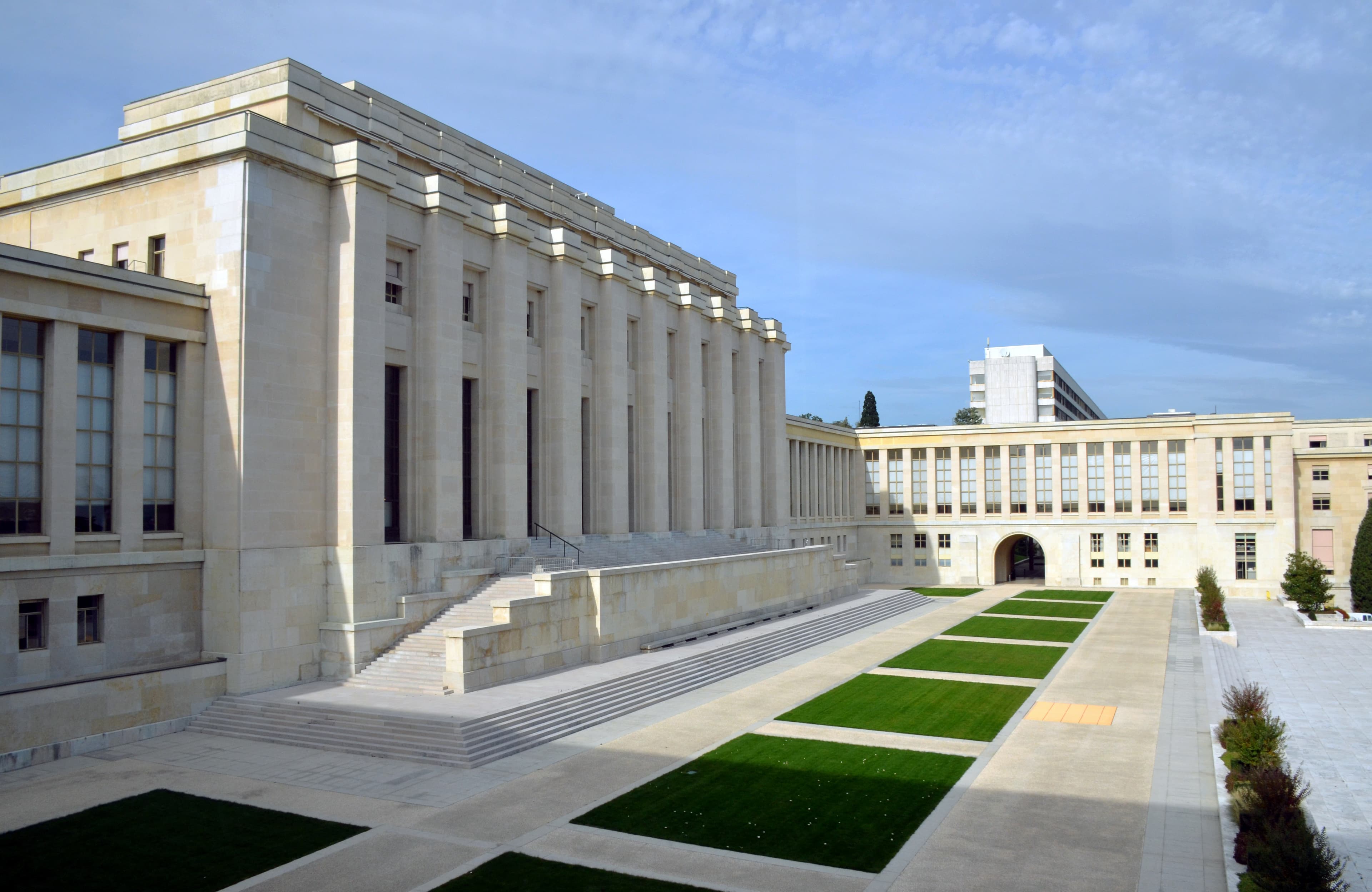
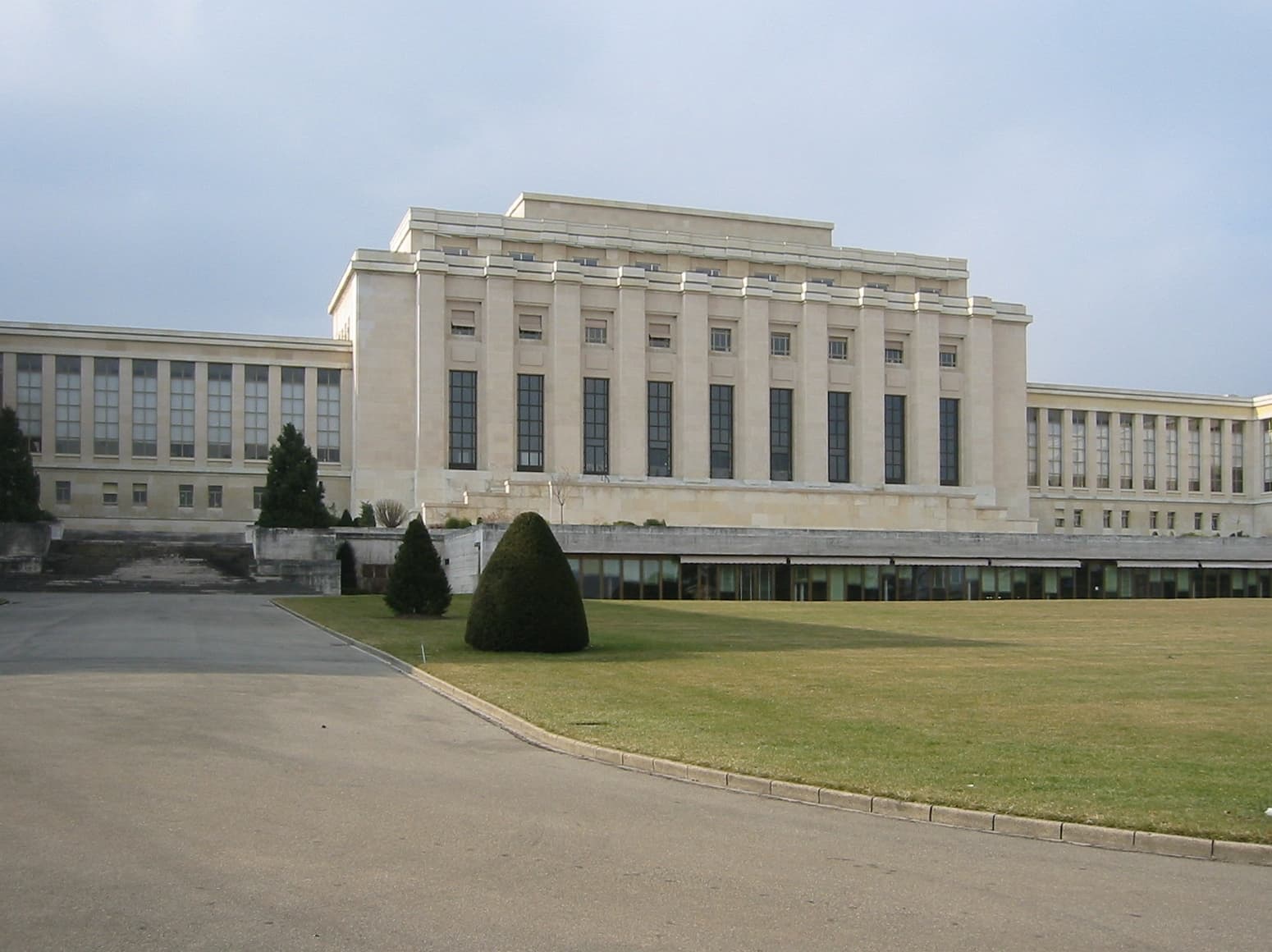
On February 26, 2026, the third round of US-Iran nuclear talks was held at the Palais des Nations in Geneva, Switzerland. As with the previous two rounds, negotiations proceeded via indirect talks with Oman as mediator.
On the US side, Steve Witkoff, Special Envoy for the Middle East, and Secretary of State Marco Rubio were involved; Iran was led by Foreign Minister Araghchi.
The talks were described by CNBC as the "most intense" round yet. The two sides spent several hours in deliberation before departing without an agreement. However, Oman's Foreign Minister noted that "both sides showed openness to new and creative ideas," signaling that talks would resume soon.
2. Why This Became the World's Top Story
① Trump's 'One-Month Deadline' Expires
On February 12, 2026, Trump publicly declared he wanted "a deal in about a month." The third round took place essentially at the final hour of that deadline. A failure to reach a deal directly implies the military option becomes real — and global oil, defense, and financial markets react immediately.
② US Carrier Strike Group Deployed
A Gerald R. Ford-class carrier strike group has been additionally deployed to Middle Eastern waters. Should the US strike Iran's nuclear facilities, analysts warn it would constitute "the largest-scale US military intervention in the Middle East in history."
③ Direct Impact on Global Supply Chains and Energy Prices
Roughly 20% of the oil and LNG passing through the Strait of Hormuz is destined for East Asia, including Korea. Any conflict would inevitably spike Korea's energy import costs and worsen its trade balance.
3. Stakeholders: Who Decides the Outcome
| Actor | Position | Red Line |
|---|---|---|
| US (Trump) | Permanent nuclear limits + no sunset clause | Iran acquiring nuclear weapons — absolutely unacceptable |
| Iran (Araghchi) | Retain uranium enrichment rights + full sanctions relief | Cannot abandon domestic enrichment |
| Oman (Mediator) | Gradual confidence-building + expanded technical consultations | Maintaining dialogue channel is top priority |
| Israel | Demands complete dismantlement of Iran's nuclear capability | May conduct unilateral strikes if talks fail |
| Korea, Japan, China | Energy security + regional stability | Worst case: Strait of Hormuz blockade |
4. Five Structural Barriers to an Agreement
🚧 ① Uranium Enrichment Rights vs. Permanent Freeze
Iran insists that "domestic enrichment is a sovereign right." Iranian state media reported just before the talks ended that "Iran refuses the proposal to transfer uranium overseas and will continue enrichment." The US, however, demands "the dismantlement or permanent limitation of uranium enrichment facilities themselves."
🚧 ② The Sunset Clause Problem
The 2015 JCPOA included a sunset clause under which restrictions would automatically expire after 10–15 years. Trump has flatly stated "not this time." This is a condition Iran finds very difficult to accept.
🚧 ③ Whether Ballistic Missiles Are on the Agenda
Secretary Rubio has stressed that "Iran's refusal to put ballistic missiles on the negotiating table is a major problem." Iran views its missile program as a sovereign matter separate from nuclear negotiations.
🚧 ④ Scope and Sequencing of Sanctions Relief
Iran demands full and immediate sanctions relief, while the US wants phased, conditional relief. This sequencing issue was also the biggest sticking point during the original JCPOA negotiations.
🚧 ⑤ Domestic Political Constraints
Iran's leadership (Supreme Leader Khamenei) cannot approve a deal that hardliners within the regime would view as "humiliating concessions." The US is similarly mindful of pushback from Republican hawks and Israel.
5. Durability and Outlook: What Happens Next
Whether the Vienna technical consultations actually take place is the key indicator. If they proceed, that signals "talks continuing"; if canceled, it will be read as preparation for a military option.
- Optimistic scenario: Both sides agree on a middle ground of "enrichment caps + phased sanctions relief" and hold a fourth round in Vienna. Oil prices stabilize.
- Base scenario: Technical consultations proceed but core issues remain unresolved, delaying 4–6 weeks. Uncertainty persists.
- Worst-case scenario: Talks collapse → US or Israeli strike on Iranian nuclear facilities → Strait of Hormuz crisis → Korea's energy import costs spike, KOSPI shock.
6. Korea's Economic and Supply Chain Risk Checklist
References
- BBC: US-Iran talks end after 'significant progress', mediator says
- CNBC: U.S. and Iran wrap up 'most intense' nuclear talks with no deal
- Al Jazeera: US-Iran talks conclude with claims of progress but few details
- Yonhap: Will it be the final talks? US-Iran nuclear negotiations open in Geneva
- Yonhap News TV: US-Iran nuclear talks show 'significant progress' — was catastrophe averted?
Image Credit
Palais des Nations, Geneva (UN European Headquarters, site of talks) — Wikimedia Commons, CC BY-SA 3.0, © Yann Forget / Wikimedia Commons — https://commons.wikimedia.org/wiki/File:Palais_des_nations.jpg