Easier Than the Lottery with 'Hundreds of Billions in Rewards': The Meaning of President Lee Jae-myung's Stock Manipulation 'Ruin Yourself' Card in the KOSPI 6000 Era
President Lee Jae-myung abolished the cap on stock manipulation whistleblower rewards, declaring it's 'easier than the lottery to change your fortune.' As policies to boost Korea's stock market credibility accelerate alongside the Commercial Act amendment after KOSPI broke 6,000, all eyes are on whether unlimited rewards of up to 30% of illicit gains will become a game-changer for restoring investor trust.
Why does this matter right now? Right after KOSPI broke 6,000, the president personally took to social media to declare stock manipulation would 'ruin you.' Abolishing the reward cap could become the most powerful deterrent against unfair trading in the history of Korea's stock market.
TL;DR
- President Lee Jae-myung publicly supported the abolition of the stock manipulation whistleblower reward cap via social media on February 25, 2026
- The Financial Services Commission pre-announced a decree amendment to pay up to 30% of illicit gains as a reward, with no upper limit
- Coinciding with KOSPI breaking 6,000 and the passage of the Commercial Act amendment, the government is completing a comprehensive package to create a 'shareholder-friendly capital market'
- Experts expect increased whistleblowing to suppress market manipulation, though some warn of potential abuse
The Facts: What Happened
On February 25, 2026, President Lee Jae-myung publicly praised FSC Chairman Lee Eok-won on his social media account and announced:
"You can now receive tens of billions, even hundreds of billions of won in reward money for reporting stock manipulation. It's definitely easier than the lottery to change your fortune. Stop the stock manipulation, now."
The Financial Services Commission announced a pre-legislative notice for a decree amendment that would completely abolish the previous cap of up to KRW 2 billion on whistleblower rewards for stock manipulation, replacing it with a payout of up to 30% of illicit gains with no ceiling.
For example, reporting a stock manipulation case worth KRW 10 billion could yield a reward of up to KRW 3 billion. For a large-scale operation worth KRW 100 billion, the reward would be KRW 30 billion — far exceeding the previous cap of KRW 2 billion.
The Mechanism: Why This Issue, Why Now
KOSPI Breaking 6,000 and Unfair Trading Risk
When KOSPI broke the 6,000 mark for the first time in February 2026, individual investor participation exploded. However, the higher the index climbs, the more active market manipulation tends to become. The government's preemptive deterrent measure emerged precisely when vigilance against price bubbles and unfair trading was heightened.
Commercial Act Amendment + Reward Package
On February 25, 2026, the 3rd Commercial Act Amendment mandating treasury share cancellation passed the National Assembly. The two pillars — strengthening shareholder returns (Commercial Act) and deterring unfair trading (rewards) — are simultaneously aligned as the government completes a comprehensive package to resolve the 'Korea Discount.'
Direct Presidential Promotion
The fact that the president personally broadcast the policy on social media using the striking phrase 'easier than the lottery,' rather than leaving it to a Financial Services Commission briefing, accelerated the spread of the issue. This is why it topped real-time search rankings.
Context and Background
Limitations of the Existing System
Under the existing Capital Markets Act, whistleblower rewards for unfair trading were capped at KRW 2 billion. In large-scale stock manipulation cases worth hundreds of billions to trillions of won, the KRW 2 billion reward was widely criticized as too low to induce insiders to come forward.
The U.S. Precedent
The U.S. SEC has awarded up to 30% of illicit gains through its Whistleblower Program in cases with sanctions exceeding USD 1 million. In 2023 alone, it paid out over USD 600 million in total rewards, playing a decisive role in resolving major unfair trading cases. Korea's move can be seen as benchmarking the U.S. system.
The Structural Causes of the Korea Discount
One of the reasons Korea's stock market has been undervalued relative to corporate earnings is investor distrust of unfair trading. Information asymmetry, market manipulation by operators, and the use of undisclosed information have long eroded the confidence of individual investors.
Stakeholders: Who Is Involved
| Stakeholder | Impact |
|---|---|
| Individual Investors | Positive due to improved market fairness; temporary increase in price volatility possible |
| Institutional Investors | Reduced unfair trading risk expected to improve long-term profitability |
| Market Manipulation Operators | Sharply increased risk of insider whistleblowing, effectively pressured out of the market |
| Financial Authorities | Strengthened enforcement, improved trust among global investors |
| General Public | Increased incentive to participate in stock market; public interest surges via 'lottery' keyword |
Outlook: How Long Will This Last?
Short-term (1–3 months)
- Pre-legislative notice → gathering of opinions → promulgation process
- Sharp increase in reports expected from those hoping to receive rewards
- Possibility of some false or abusive reports increasing as well
Medium-term (3–12 months)
- When the first 'hundreds of billions in reward' case occurs, the promotional effect will be explosive
- Acceleration of internal fractures within large stock manipulation organizations
- Improvement of global capital's confidence in Korea's stock market
Long-term
- Whether a U.S.-style 'whistleblower economy' takes root
- Potential to become institutional infrastructure for resolving the Korea Discount
Secondary Issues: Derivative Debates
① Potential for Abuse
Concerns about false reports seeking rewards and abuse of reports to suppress competitors. Financial authorities are preparing penalty regulations for abusive reports in parallel.
② Tax Issues
How rewards in the hundreds of billions of won will be taxed. If classified as miscellaneous income, the top tax rate of 45% could apply.
③ Risk of Triggering Sharp Stock Price Declines
If a major manipulation case is uncovered and made public, there is a risk of a sharp drop in the relevant stock's price, potentially harming well-intentioned investors.
Checklist: Key Points for Investors to Watch
Reference Links
- Yonhap News — President Lee: "Hundreds of billions in reward for reporting stock manipulation... easier than the lottery"
- Chosun Ilbo — Lee: "Hundreds of billions in reward for reporting stock manipulation, easier than the lottery to change your fortune"
- Hankyoreh — President Lee on abolishing the whistleblower reward cap: "Stock manipulation, ruin yourself! Well done"
- Econovill — Report stock manipulation and receive up to hundreds of billions... President Lee: "Easier than the lottery"
Image Credit
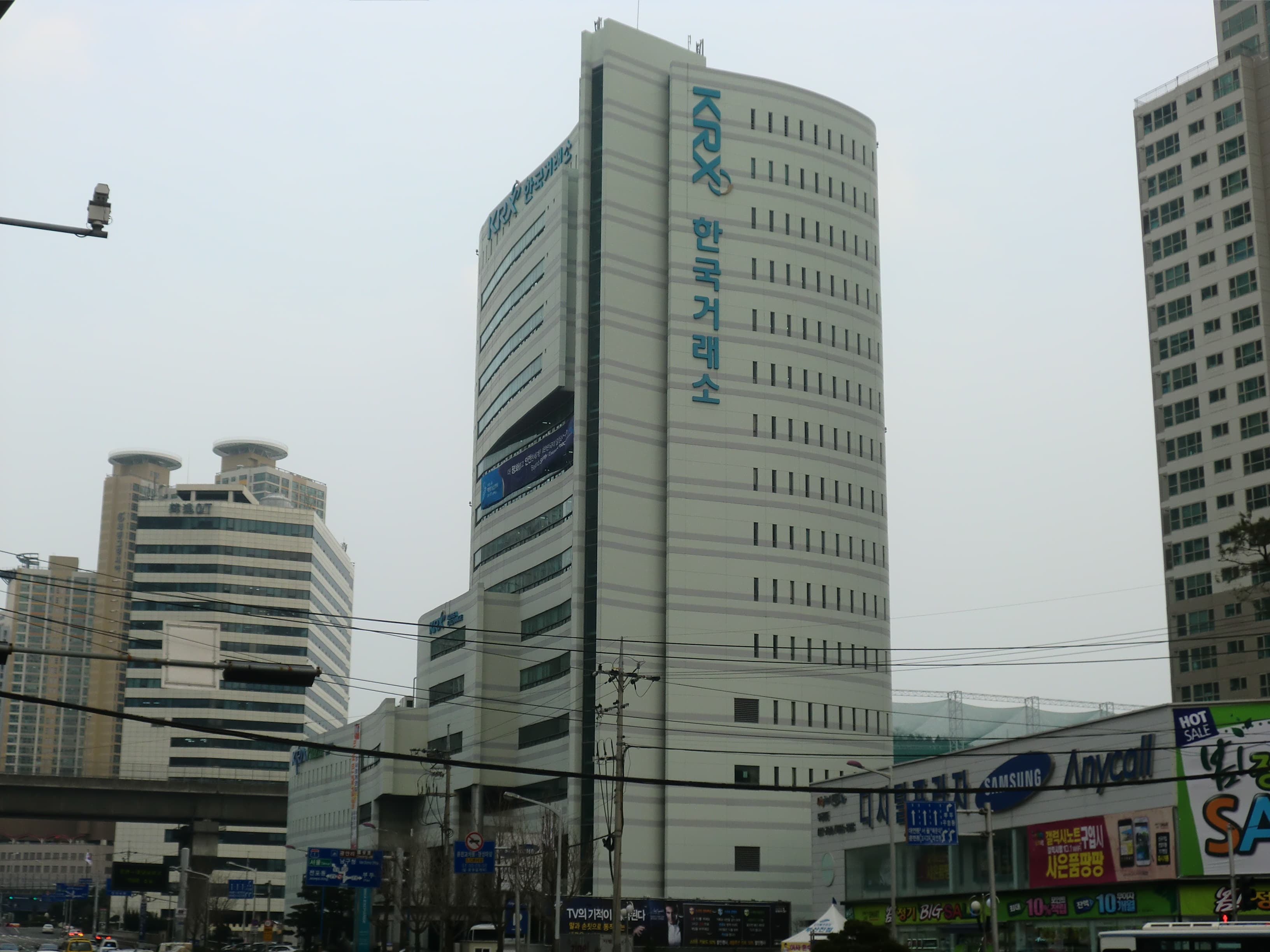
- Korea Exchange (KRX) Building © Asfreeas via Wikimedia Commons, CC BY-SA 3.0