Gangnam Tailor Shop Defeats Louis Vuitton: 5 Ways Korea's Supreme Court 'Luxury Reform Is Not Trademark Infringement' Ruling Will Reshape Consumer Landscape
On February 26, 2026, Korea's Supreme Court ruled that a Gangnam tailor shop's reformation of Louis Vuitton bags at customers' request does not constitute trademark infringement. This landmark first ruling, overturning lower court decisions, changes the legal status of the luxury repair and reform industry and sets a new milestone for sustainable consumption trends.
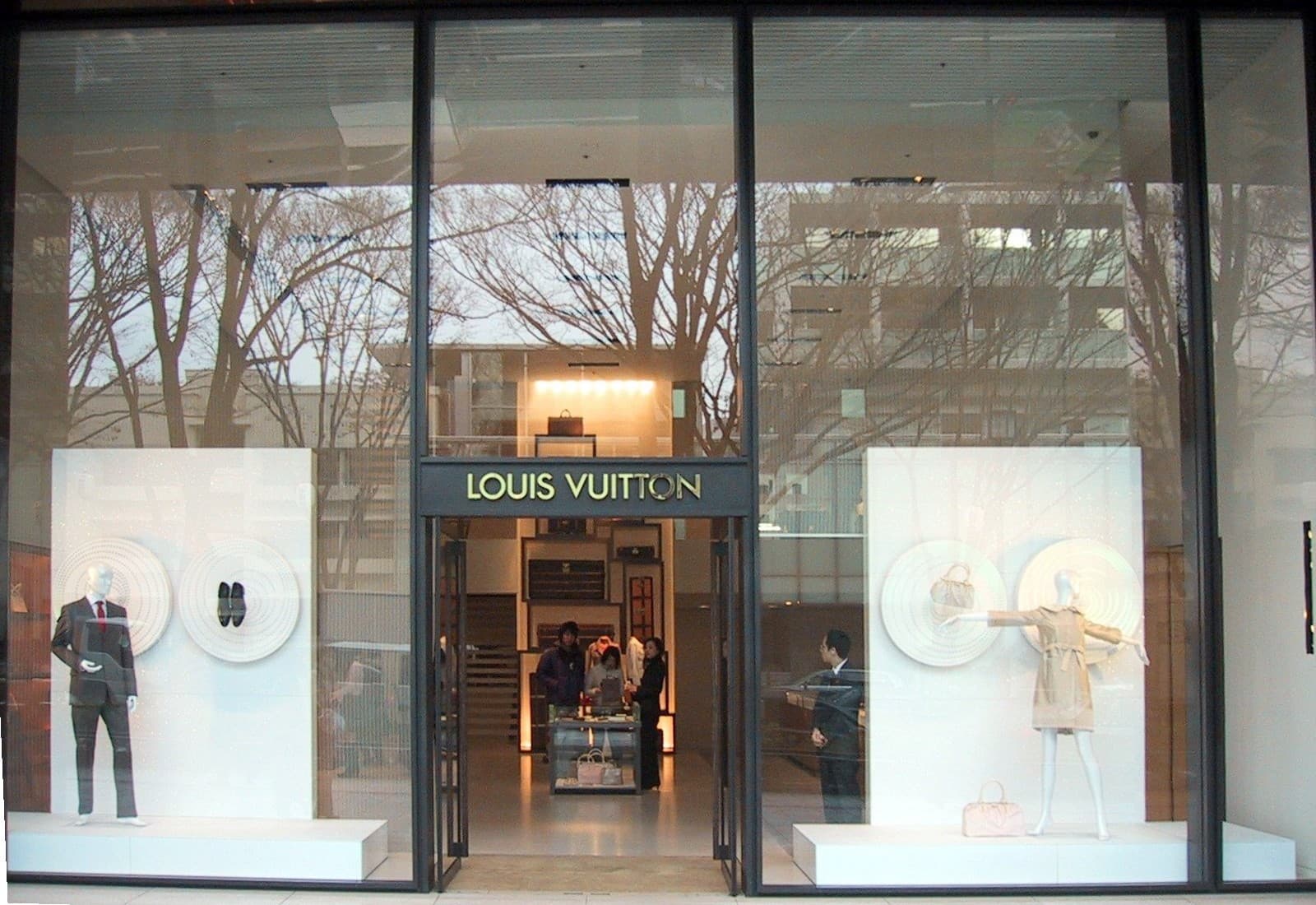
Hook: A Gangnam tailor shop that lost twice in lower courts defeated the world's largest luxury brand at the Supreme Court. This single ruling changes the rights of hundreds of thousands of luxury goods owners and reshapes the legal landscape of the entire repair and reform industry.
TL;DR
- The Supreme Court's Second Division (presiding Justice Kwon Young-joon) reversed and remanded the lower court decisions on February 26, 2026, in Louis Vuitton's trademark infringement lawsuit against Gangnam tailor A.
- Core logic: When reformation is commissioned for the bag owner's personal use and the product is returned to the owner, there is in principle no 'use of a trademark,' and therefore no trademark infringement.
- Exception: Infringement may be established if the reformer takes the initiative to distribute the items in the commercial market.
- This ruling has been recorded as South Korea's first precedent on 'luxury reform trademark rights.'
- A avoided a ₩15 million damages ruling and will now be retried at the Patent Court.
1. Background: What Happened
A operated a luxury reform service in the basement of a building in Gangnam-gu, Seoul. From 2017 to 2021, A reused Louis Vuitton bag fabrics entrusted by customers to create bags and wallets of different sizes and designs. Repair fees ranged from ₩100,000 to ₩700,000 per item, with total revenue of approximately ₩23.8 million.
Louis Vuitton filed a trademark infringement lawsuit in 2022, claiming that A had "produced products bearing their trademark and undermined the source-indicating and quality-assuring functions."
- First trial: Reformed products qualify as 'goods' with exchange value → A ordered to pay ₩15 million in damages
- Second trial: Upheld first trial + found that reformed products could be traded in the secondhand market
- Supreme Court: Reversed and remanded — "Reform for personal use does not constitute trademark infringement"
2. Why It Went Viral: Three Reasons
There are three reasons why this ruling surged to the top of real-time searches.
- Direct consumer interest: For hundreds of thousands of people who own Louis Vuitton, Chanel, Gucci, and other luxury bags, this became a direct confirmation of the right to 'reform my own bag.'
- Dramatic reversal after consecutive losses: The narrative of 'a Gangnam tailor shop vs. the world's largest luxury house' captured the public's attention.
- Resonance with sustainable consumption trends: The ruling came at a time when upcycling and reform have taken root as an eco-friendly lifestyle among the MZ generation.
3. Stakeholder Analysis
| Stakeholder | Impact | Expected Response |
|---|---|---|
| Luxury goods owners | Legal protection for reform commissions clarified | Positive |
| Repair and reform operators | Legality of personal-commission reform confirmed | Very positive |
| Louis Vuitton and other luxury brands | Concern over weakened brand exclusivity and quality control | Negative |
| Secondhand luxury market | Reform for distribution still constitutes infringement → standards for commercial market clarified | Neutral to positive |
| Patent and trademark legal community | First precedent established → standards for similar disputes set | Positive |
4. Five Implications of the Ruling
① First-ever boundary set between ownership rights and trademark rights
The principle that an owner's right to dispose of and modify a purchased product can take precedence over a luxury brand's trademark rights has been established for the first time as Supreme Court precedent.
② Legal space for the reform and upcycling industry expanded
Repair shops and reform workshops operating on a personal-commission basis have obtained clear standards for providing services without legal risk. The startup environment improves.
③ 'Purpose of distribution' emerges as the key standard
The Supreme Court added the proviso that "infringement may exceptionally be established when distributed in the commercial market." In future lawsuits, whether a reformed item is sold in the secondhand market will become the central issue.
④ Luxury brands must inevitably reassess their domestic legal strategy
Louis Vuitton must fundamentally reassess its approach to reform and repair in Korea in light of this ruling. Some luxury houses may respond by expanding their authorized repair networks.
⑤ Legal wings for sustainable consumption trends
The eco-friendly and value-driven consumption movement of "giving new life to old luxury items" has now been backed by a court ruling. Growth in the reform and upcycling platform market is expected to accelerate.
5. Outlook: How Long Will This Ruling Last?
Lifespan: Long-term (precedent) — After remand, the Patent Court trial will proceed and additional standards will be formed. Depending on luxury brands' appeal strategies, further rulings from higher courts may follow.
Checklist: Practical Application Points
Reference Links
- Chosun Ilbo: "Gangnam Tailor Defeats Louis Vuitton... Supreme Court Rules 'Reform Is Not Trademark Infringement'"
- Donga Ilbo [Breaking] Supreme Court: "Louis Vuitton Bag Reform Is Not Trademark Infringement"... Reversed and Remanded
- Hankyoreh: Supreme Court "Louis Vuitton Bag Reform Not Trademark Infringement"... Exception If Distributed to Market
Image Credit
- Featured image: Louis Vuitton Store in Omotesando, Tokyo — Wikimedia Commons (CC BY-SA 3.0)