The Moment Fake Became Real: 5 Reasons the 2006 Vincent & Co. Luxury Fraud — Revived by Netflix's 'The Art of Sarah' — Still Resonates Today
Netflix's 'The Art of Sarah' (Lady Dua) has topped the global non-English drama chart, bringing renewed attention to the 2006 Cheongdam-dong Vincent & Co. luxury watch fraud that even fooled Lee Jung-jae and Choi Ji-woo. The drama's iconic line — 'If you can't tell it's fake, can you really call it fake?' — cuts straight to the heart of desire and vanity in consumer psychology.
Why you need to watch this now: Netflix's The Art of Sarah has topped the global non-English drama chart, perfectly resurrecting the Vincent & Co. fake luxury watch fraud that shook Korea 20 years ago. We dissect the scandal that fooled even Lee Jung-jae and Choi Ji-woo — and the mechanism of desire that keeps repeating itself to this day.
TL;DR
- Netflix's The Art of Sarah (Korean title: Lady Dua), starring Shin Hye-sun, has achieved #1 globally among non-English dramas
- The 2006 Vincent & Co. case that inspired the drama: a luxury watch brand was launched in Cheongdam-dong under the false claim of a century-old Swiss heritage, with a glitzy launch event attended by top stars including Lee Jung-jae and Choi Ji-woo — watches sold for up to ₩100 million each
- It was all fake: the Swiss heritage, the royal warrant, and the watches themselves were all counterfeit
- Damages amounted to hundreds of billions of won
- The character Sara Kim's question — "If you can't tell it's fake, can you really call it fake?" — is a philosophical provocation that cuts straight to the psychology of luxury consumption
- "Luxury fraud" repeats itself whenever desire, vanity, and the hunger for social status converge
Facts: Where the Drama Meets Reality
Netflix's The Art of Sarah — Plot
Sara Kim, played by Shin Hye-sun, is the regional director of a luxury brand newly posted to Seoul. She creates a brand called 'Boudoir', weaving a fictional narrative of royal warrants and European aristocratic clientele. She opens a showroom in Cheongdam-dong, limits entry to create queues, and publicly burns leftover stock to manufacture scarcity. The drama's most celebrated line — "If you can't tell it's fake, can you really call it fake?" — is delivered during a police interrogation and has become one of the most quoted lines of the series.
True Story: The 2006 Vincent & Co. Case
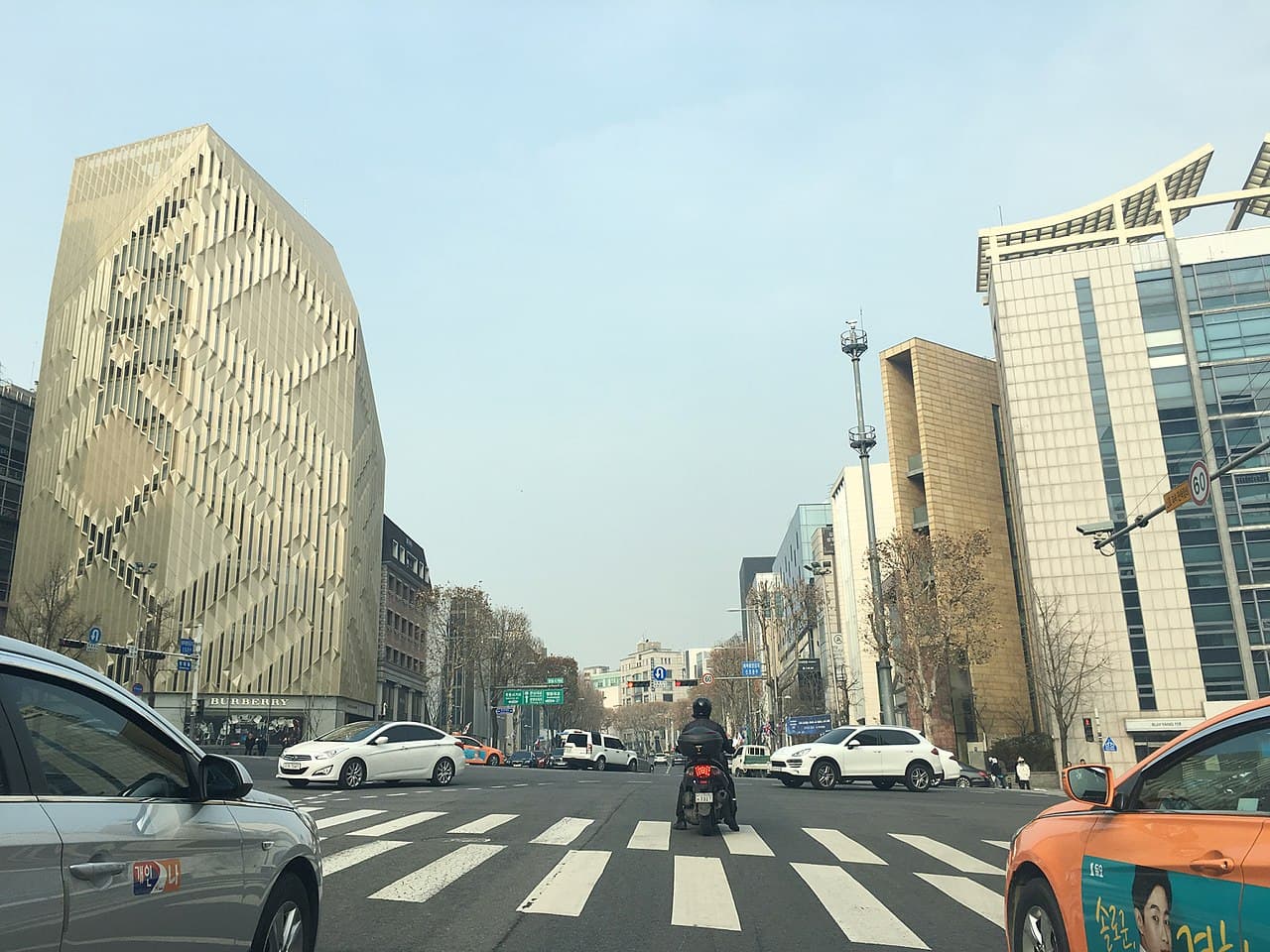
The Vincent & Co. case, widely cited as the direct inspiration for the drama, took place in Seoul's Cheongdam-dong in 2006.
- The brand was launched under the false claim of a century-old Swiss heritage and a British royal warrant
- Top celebrities of the era — including Lee Jung-jae (Squid Game) and Choi Ji-woo (Winter Sonata) — were invited to the launch event
- Fashion editors, stylists, and political figures were photographed wearing the watches in public
- Watches were sold for up to ₩100 million each
- It was all fake: the Swiss heritage, the royal certification, and the watches themselves were cheap counterfeits
- Damages ran into the hundreds of billions of won; numerous celebrities and public figures were among the victims
Why This Drama Is Trending Now: 5 Mechanisms
1. 'Luxury Desire' Transcends Time
Twenty years have passed since the Vincent & Co. scandal, yet the Cheongdam-dong luxury market has only grown larger. Korea is the world's #1 country in per-capita luxury spending — the structural foundations of desire have not changed, which is why the drama's themes resonate so powerfully.
2. The Marketing Lesson of 'Flawless Storytelling'
Sara Kim's fraud method mirrors the modern branding textbook almost exactly:
- Fabricated backstory (heritage marketing)
- Celebrity ambassador deployment
- Artificial scarcity creation (burning stock)
- Social proof (upper-class word of mouth)
This exposes just how thin the line is between honest marketing and outright fraud.
3. The Power of Netflix's Global Algorithm
By reaching #1 among non-English dramas worldwide, the show brought English-speaking audiences directly into the world of Korean luxury fraud culture. It confirms the global demand — validated since Squid Game — for Korean social-critique drama.
4. The SNS Meme Explosion
The line "If you can't tell it's fake, can you really call it fake?" has spread across X (formerly Twitter) and Instagram as a versatile meme applied to luxury goods, consumption culture, and even personal relationships — driving the show up search charts.
5. Real Victims Back in the Spotlight
The stars who attended the original 2006 event — including Lee Jung-jae and Choi Ji-woo — are being talked about again now that the drama has dropped. The fact that even celebrities were fooled normalizes the possibility of ordinary people being victimized, generating even greater public empathy.
Context & Background: Why Luxury Fraud Keeps Repeating
Longevity Outlook
- Short-term (1–3 days): Top search ranking holds. A wave of articles and YouTube content on the real-life case
- Mid-term (1–2 weeks): Possible re-ignition through Season 2 rumors or real-person interviews
- Long-term: Established as a reference point in discourse critiquing Korea's luxury consumption culture
Outlook & Derivative Issues
- Fashion & Luxury Industry Impact: Growing calls for heritage verification of Cheongdam-dong brands may intensify
- Consumer Protection Issues: Possible revival of debate over regulation of 'unverified luxury brands'