After Housing Prices, Now Farmland: Why President Lee Jae-myung's 'Gyeongjayujeon Violation' Nationwide Survey and Forced Sale Order Is Shaking Korea's Real Estate Market
On February 25, President Lee Jae-myung ordered a review of forced sale orders and fines for speculative farmland not under actual cultivation at a cabinet meeting. Expanding real estate speculation regulation from housing to farmland, the directive reaffirms the constitutional 'Gyeongjayujeon (耕者有田)' principle — that only those who farm may own farmland.
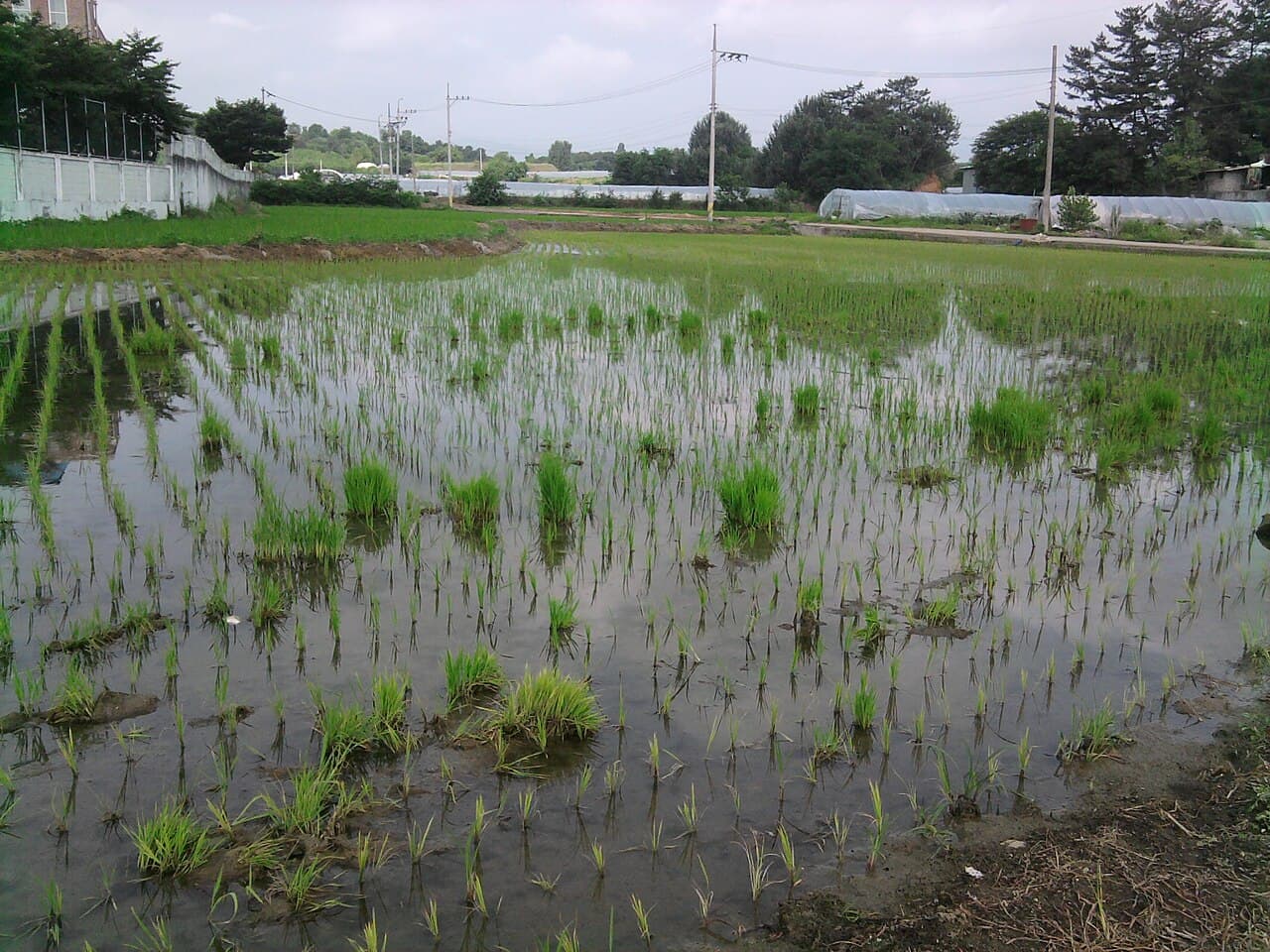
Why does this matter now? After targeting housing prices, President Lee Jae-myung has now set his sights on farmland prices. With the 2026 local elections approaching, the war against real estate speculation has entered its second round.
TL;DR
- At the February 25, 2026 cabinet meeting, President Lee Jae-myung ordered that non-farming landowners be subject to forced sale orders and fines.
- The constitutional basis cited was Article 121 — the 'Gyeongjayujeon (耕者有田)' principle: only those who farm may own farmland.
- A nationwide farmland survey was also ordered; violations may result in both a forced sale order and a separate fine.
- The 'war on real estate speculation,' which began with multi-home owner restrictions, is now expanding to farmland and land.
- The agricultural sector and the market are reacting differently: farmers welcome it, while some landowners and investors raise concerns over property rights.
What Happened?
At a cabinet meeting held at Cheongwadae on February 25, 2026, President Lee Jae-myung stated:
"Those who bought land claiming they would farm it but left it idle will now face forced sale orders — and fines on top of that. Review that separately and report back to me. Start with a fact-finding survey."
— President Lee Jae-myung, cabinet meeting remarks (as cited by Yonhap)
The president declared that "all problems originate from real estate" and announced his intention to directly target farmland speculation as a follow-up to existing apartment and multi-home ownership regulations. He also stated that large-scale personnel and organizational resources would be mobilized if necessary for a nationwide farmland survey.
Why Did This Issue Surge? (Spread Mechanism)
1. Expanding Anti-Speculation Regulation from Housing to Farmland
Since taking office, the Lee Jae-myung administration has pushed housing market speculation suppression as a core policy — through multi-home owner regulations, capital gains tax hikes, and amendments to the rental housing protection law. This farmland announcement is widely seen as the first signal that the scope of regulation is expanding to agricultural land and general real estate.
2. The Weight of a Constitutional Argument
Article 121 of the Constitution of South Korea explicitly states the 'Gyeongjayujeon' principle: only those who farm may own farmland. Under this logic, farmland speculation is not merely a policy problem — it is an unconstitutional act. Because the legal justification is drawn from the Constitution itself, political counterarguments are difficult to mount.
3. Pre-Election 'People's Livelihood' Agenda Positioning
Ahead of nationwide local elections, the message is also read as populist outreach targeting both rural voters and urban working-class citizens. In reality, the surge in farmland prices has long been a grievance voiced by aspiring rural migrants and young farmers.
Context and Background
Why Is Farmland Speculation a Problem Now?
Korea's farmland market has surged since the mid-2010s. Cases of urban capital purchasing farmland for speculative purposes — then leaving it idle or converting it to solar energy sites — have multiplied rapidly. As actual cultivation rates declined, 'ghost farmland' — land that is farmland in name only — has been a growing concern nationwide.
Loopholes in the Current Farmland Act
The current Farmland Act requires submission of an 'agricultural management plan' when acquiring farmland, but post-acquisition verification of actual farming has essentially been non-functional. Speculators routinely submitted plans but left the land unused — a well-known loophole.
The History of Gyeongjayujeon
The 'Gyeongjayujeon' principle was introduced after the Japanese colonial era to address tenant farming issues, and has been enshrined in the constitution since the founding charter of 1948. However, as Korea industrialized and urbanized, effective enforcement weakened. This policy represents a commitment to restore practical force to a constitutional provision that has been largely symbolic for decades.
Stakeholder Analysis
| Group | Reaction | Key Arguments |
|---|---|---|
| Farmers & aspiring rural migrants | Supportive | Farmland price stabilization; priority guarantee for actual cultivators |
| Urban farmland owners | Opposed | Property rights infringement; concern over retroactive application |
| Investors & real estate industry | Wait-and-see | Unclear scope and criteria; monitoring broader impact |
| Local governments near farmland | Positive | Expectation that rural depopulation trend may ease |
| Legal academics | Divided | Constitutional basis is solid, but enforcement procedures and compensation must be discussed |
Outlook: How Far Will This Go?
- Short-term (1–3 months): Market reaction as the nationwide survey begins. Possible uptick in farmland listings.
- Mid-term (3–12 months): Expected submission of a Farmland Act amendment to the National Assembly. Key issue: establishing forced sale procedures and compensation standards.
- Long-term: Whether farmland prices stabilize depends on the success of building a real-time cultivation verification system.
Estimated lifespan: 1–3+ days (expected to reignite after legislation and survey begin)
Checklist: Key Indicators to Watch
Risks
- Property rights controversy: Retroactive application to legally acquired farmland could raise constitutional issues
- Risk of misreporting: Caution against conflating 'nationwide survey' with 'immediate forced sale'
- Enforcement feasibility: A nationwide farmland survey would realistically take years given personnel and budget constraints
- Investment chill: Broader chilling effect on land investment sentiment beyond farmland
Reference Links
- President Lee: "Land bought claiming to farm but left idle will face forced sale" — Yonhap Infomax
- Lee targets farmland speculation: "Forced sale if not farmed" — Chosun Ilbo
- President Lee: "Farmland too is a speculation target — forced sale if left idle" — KBS
- Housing prices curbed, now farmland... "Idle land faces forced sale" — MBC News
Image Credit
- 경상북도 성주군 논밭 풍경 — Salamander724 / Wikimedia Commons, Public Domain