Double the Principal: 5 Investment Lessons for Korean Individual Investors from President Lee Jae-myung's ETF Returns Surpassing 149%
ETFs purchased by President Lee Jae-myung during his presidential campaign — KODEX 200 and TIGER 200 — have surged past a 149% return, growing an initial investment of approximately ₩41 million to ₩81 million. In the KOSPI 6,000 era, the President's ETF portfolio is drawing renewed attention to long-term index investing strategies for individual investors.
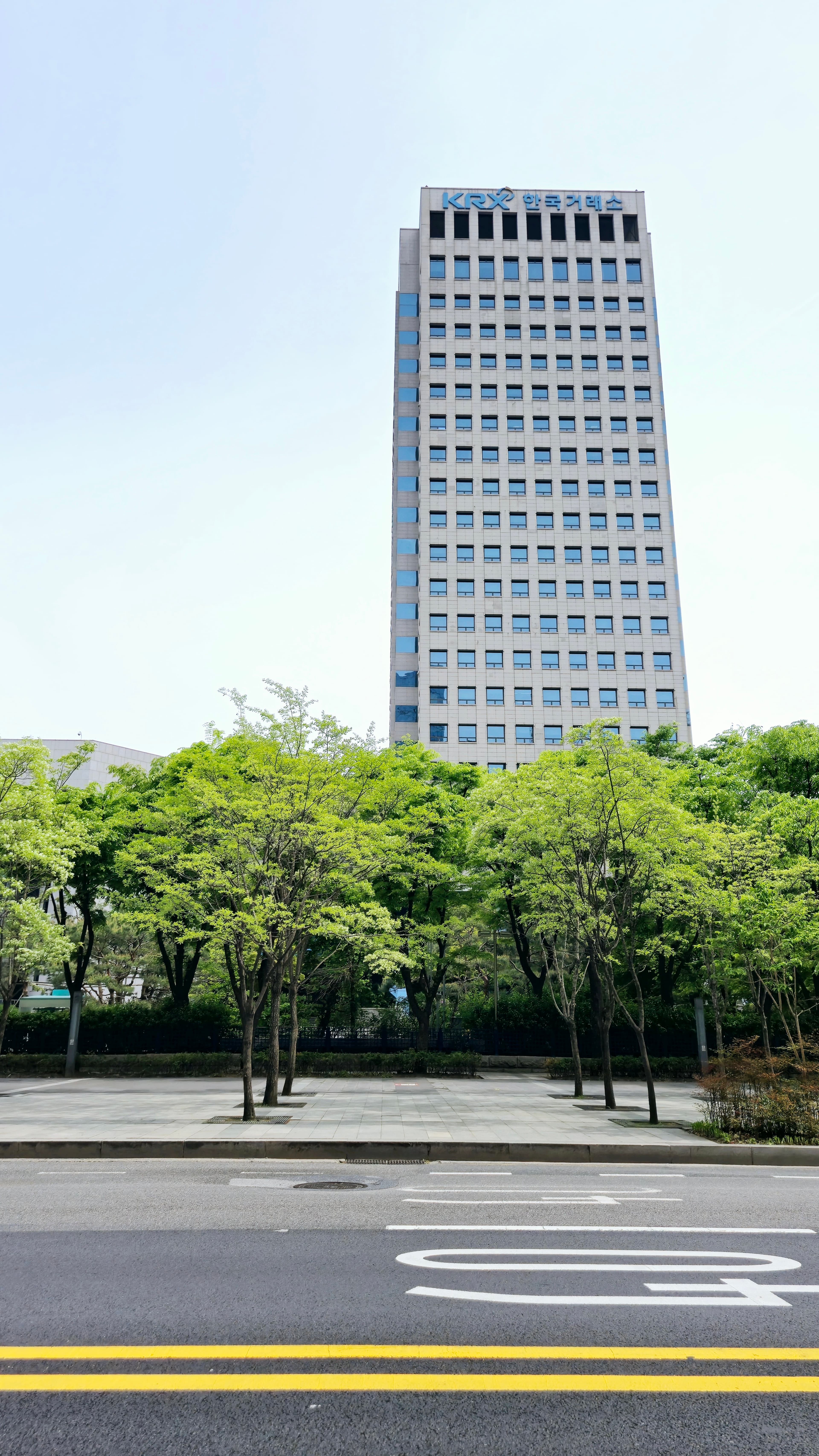
Why you should read this now: A publicly disclosed ETF investment account, opened by the President himself, doubled its principal in just 10 months. In the KOSPI 6,000 era, what message does this return send to ordinary individual investors?
TL;DR
- On May 28, 2025, while still a presidential candidate, President Lee Jae-myung publicly announced lump-sum investments of ₩20 million each in KODEX 200 and KODEX Kosdaq150, and a monthly installment investment of ₩1 million in TIGER 200.
- As of KOSPI's breakthrough of 6,000 on February 25, 2026, KODEX 200 and TIGER 200 recorded returns of 149%, and KODEX Kosdaq150 recorded 71%.
- Total principal of approximately ₩41.07 million → estimated market value of approximately ₩81.13 million, with an estimated gain of approximately ₩40.06 million.
- As KOSPI surpassed 6,000 intraday on the 25th and later broke through 6,300, ETF returns climbed to 150%+.
- The compounding effect of long-term index-tracking ETFs and the structural revaluation of Korea's stock market (resolution of the Korea Discount) underpin these returns.
The Facts — What Happened
On May 28, 2025, while a candidate in the 21st presidential election, President Lee Jae-myung live-streamed his brokerage account on his YouTube channel and publicly declared his purchase of three ETFs.
| ETF | Investment Method | Principal | Return as of 2026-02-25 |
|---|---|---|---|
| KODEX 200 | Lump-sum purchase | approx. ₩20.04 million | +149% |
| KODEX Kosdaq150 | Lump-sum purchase | approx. ₩20.00 million | +71% |
| TIGER 200 | ₩1 million/month installment | approx. ₩10.03 million (9 months) | +149% |
Against a total principal of approximately ₩41.07 million, the total estimated market value is approximately ₩81.13 million, with an estimated gain of approximately ₩40.06 million (based on aggregated figures from multiple outlets including Yonhap News, Munhwa Ilbo, Chosun Ilbo, and Kyunghyang Shinmun).
As KOSPI broke through 6,000 for the first time intraday on February 25, 2026, and subsequently surpassed 6,300 on February 26, President Lee's ETF returns were tallied at over 150% (Chosun Ilbo 2/27, Yonhap News TV 2/27).
Why It's Trending Now
1. The Symbolism of KOSPI's First-Ever 6,000 Breakthrough
Amid a 'limitless rally' where KOSPI consecutively broke 4,000 in October 2025, 5,000 in January 2026, and 6,000 in February 2026, the narrative that President Lee's campaign pledge of a 'KOSPI 5,000 era' had come true amplified public interest.
2. The Unusual Transparency of a President's 'Public Investment'
Unlike former presidents who kept financial assets private or placed them in blind trusts while in office, President Lee declared 'I'm buying myself' from his days as a candidate and opened his account to the public. This exceptional move has sustained continuous attention.
3. The 'Copycat' Psychology of Individual Investors
From just after the election, 'copying Lee Jae-myung's ETF portfolio' became a trend in online investment communities, and individual net purchases of KODEX 200 and KODEX Kosdaq150 are analyzed to have increased during that period.
Context and Background — The Structural Causes of the KOSPI Rally
The explosive growth in President Lee's ETF returns is not mere luck — it reflects a structural revaluation of Korea's stock market.
Securities firms are continually raising their year-end KOSPI targets.
| Securities Firm | 2026 KOSPI Upper Target |
|---|---|
| Kiwoom Securities | 7,300 |
| Korea Investment & Securities | 7,250 |
| Hana Securities | 7,900 |
| DB Securities | 7,044 |
5 Lessons for Individual Investors
① Time in the Market Beats Timing the Market
President Lee's entry point (May 2025) was when KOSPI was hovering around 3,800. Despite not catching the perfect bottom, a 149% return was possible in just 10 months. This empirically demonstrates that 'how long you hold' matters more than 'when you buy'.
② Rediscovering Domestic Index ETFs
Among Korean investors, 'foreign stock investing' had been the dominant trend. However, amid the resolution of the Korea Discount, domestic index ETFs like KODEX 200 and TIGER 200 have recorded returns comparable to S&P 500 ETFs, drawing renewed attention.
③ The Compounding Effect of Installment Investing
President Lee's TIGER 200 installment investment (₩1 million/month) recorded a 149% return against a principal of approximately ₩10.03 million (estimated 9 months). Even with a smaller principal than a lump-sum investment, the compounding effect was captured. This is the Dollar Cost Averaging (DCA) effect, where gains from early purchases accumulate on subsequent purchases as well.
④ Separating Political/Policy Risk from Investment
Korea's stock market actually rose in 2025 even amid impeachment and martial law politics. Anyone who treated political events as a sell signal and moved to cash would have missed a 149% return. The lesson is to separate political noise from corporate fundamentals.
⑤ The Importance of ETF Selection: KOSPI vs. Kosdaq
Even investing at the same time, the gap between KODEX 200 (+149%) vs. KODEX Kosdaq150 (+71%) is more than twofold. Large-cap KOSPI 200, which includes AI and semiconductor leaders (Samsung Electronics, SK Hynix), benefited more. Analyzing the constituent stocks within an ETF can make or break returns.
Outlook — Will the KOSPI 7,000 Era Come?
The highest KOSPI target for 2026 from securities firms has been set as high as 7,900 (Hana Securities). However, risk factors also remain.
Given the coexistence of structural upward momentum and short-term overheating signals, the principles of phased buying, installment investing, and a diversified portfolio remain as valid as ever.
Reference Links
- 'Lee Jae-myung Does It' — 3 ETFs the President Invested In All 'Hit Big' — Munhwa Ilbo (2026-02-25)
- In KOSPI Rally… President Lee's ETF Returns Exceed 150% — Chosun Ilbo (2026-02-26)
- ETFs President Lee Bought Achieve 155% Return in Less Than a Year — Yonhap News TV (2026-02-27)
- If You'd Bought the Same ETFs as President Lee… ₩20 Million Profit in 7 Months — Dong-A Ilbo (2026-01-01)
- President Lee Jae-myung's ETF Returns 70~150% 'Big Hit' — StockPlus Newsroom
Image Credit
- Header image: Korea Exchange (KRX) Yeouido Headquarters, Wikimedia Commons — CC BY-SA 3.0