Burn It Within a Year: 5 Signals the Mandatory Treasury Stock Cancellation Amendment Sends to Individual Investors in the KOSPI 6,000 Era
On February 25, 2026, the 3rd Commercial Act amendment mandating treasury stock cancellation passed the National Assembly. Companies that acquire treasury shares must now cancel them within one year as a rule, and with KOSPI breaking the 6,000 mark, the legislation marks a watershed moment for structural reform in Korea's stock market.
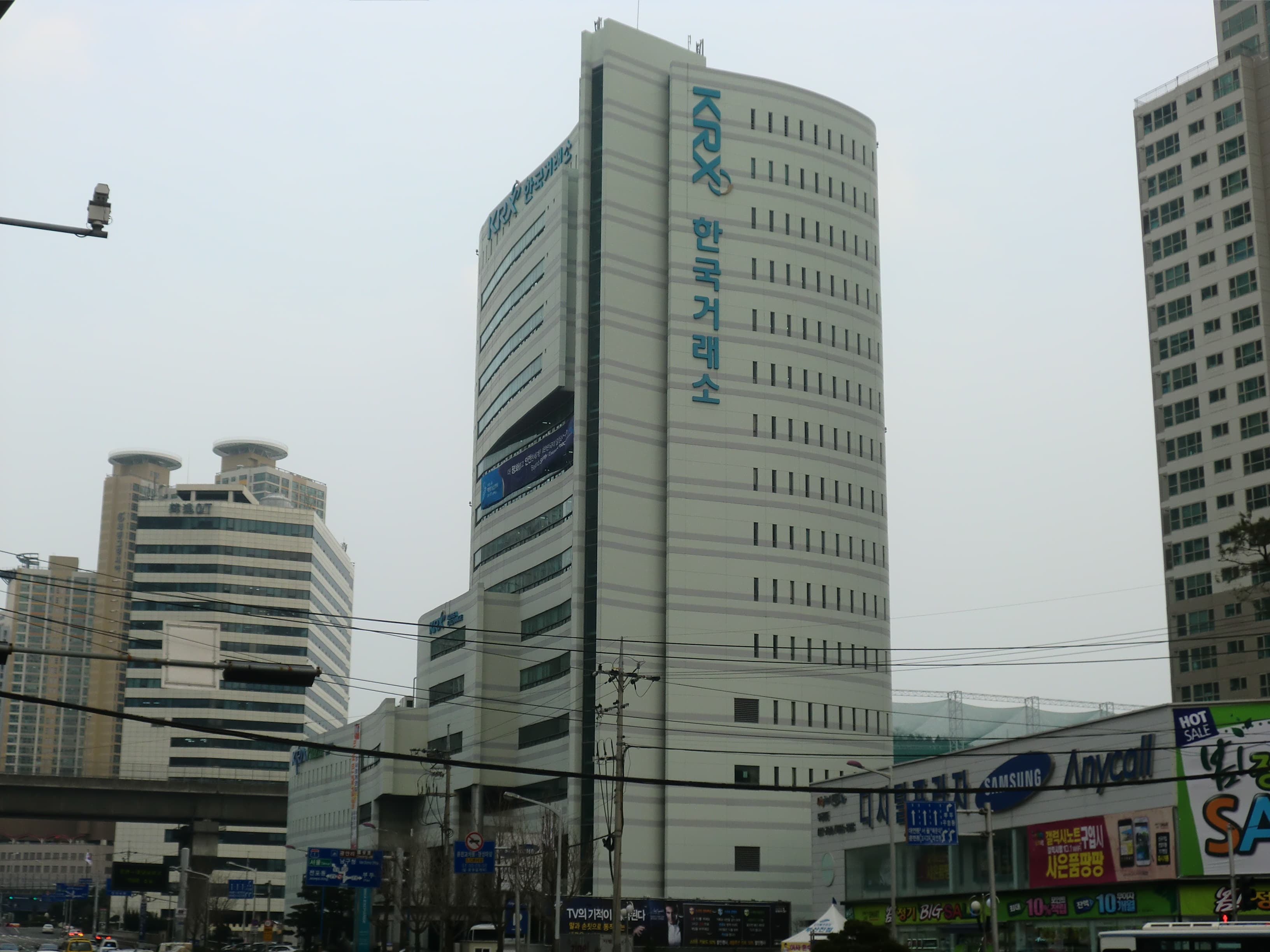

Why does this matter right now? The era of hoarding treasury shares as a corporate 'weapon' is over. The 3rd Commercial Act amendment, passed on February 25, coincides with KOSPI crossing 6,000 — officially declaring Korea's stock market's 'Year One of Shareholder Returns.'
TL;DR
- February 25, 2026: The 3rd Commercial Act amendment, including mandatory treasury stock cancellation, passed the National Assembly plenary session
- Newly acquired treasury shares must be cancelled within one year of acquisition (existing holdings have an 18-month grace period after the law takes effect)
- Exceptions are recognized for specific purposes such as employee compensation and employee stock ownership plans
- KOSPI broke the 6,000 mark on February 26, signaling an accelerating stock market rally
- A 4th amendment to strengthen minority shareholder rights has also been announced, foreshadowing a major overhaul of corporate governance
The Facts: What Was Passed
3 Key Points of the Amendment
- Mandatory cancellation of new treasury shares within one year — When a company newly acquires its own shares, it must in principle cancel them within one year of acquisition (Amended Commercial Act, Article 341-4, Paragraph 1; Article 343, Paragraph 1, proviso).
- 18-month grace period for existing treasury holdings — Treasury shares held before the law takes effect have an additional 6-month grace period added, for a total of 18 months to dispose of them.
- Enumerated exceptions — Employee compensation, employee stock ownership plans, mergers, splits, and other specific purposes are exempt from the cancellation requirement.
This amendment is the third revision to the Commercial Act, following the 1st (expansion of directors' duty of loyalty) and 2nd (strengthening of cumulative voting), and was passed with ruling party leadership.
Why Now? The Catalysts Behind the Timing
Perfect Timing with KOSPI Breaking 6,000
The KOSPI index broke through the 6,000-point barrier intraday on February 26, opening a historic new era. It was no coincidence that the mandatory treasury stock cancellation bill passed just two days earlier. The market read the bill's passage as a signal for shareholder value enhancement and reacted immediately.
- Cancellation of treasury shares reduces total issued shares → Automatic rise in earnings per share (EPS)
- Forced cancellation announced for companies that had been stockpiling large quantities of treasury shares → Expected reduction in floating shares
- Widespread expectations of resolving the 'Korea Discount'
The Institutional Endpoint of Resolving the 'Korea Discount'
One of the reasons Korea's stock market has been chronically undervalued is the 'weaponization of treasury shares for management control.' The structure in which companies stockpiled treasury shares without cancelling them — preventing meaningful shareholder returns — will now be fundamentally changed by this legislation.
Context: The Road to the 3rd Amendment
| Amendment | Key Content | Timing |
|---|---|---|
| 1st | Directors' duty of loyalty — expanded to include shareholder interests | 2025 |
| 2nd | Strengthened cumulative voting; separate election of audit committee members | 2025–2026 |
| 3rd | Mandatory treasury stock cancellation as a principle | February 25, 2026 |
| 4th (announced) | Strengthening minority shareholder rights | Under discussion |
The ruling party has officially announced that "after treasury stock cancellation, the next step is strengthening minority shareholder rights," signaling its intent to pursue a series of corporate governance reform legislation.
Outlook: 5 Signals Every Investor Should Know
1. The 'Forced Cancellation' Issue for Large Treasury Stock Holders
Companies that have accumulated large amounts of treasury shares must cancel them within 18 months of the law taking effect. The larger the cancellation volume, the greater the share price support effect — but there is also the possibility of a short-term overshoot followed by a correction.
2. Full Revision of Treasury Share Utilization Strategies
Companies that used treasury shares for employee stock options and M&A defense purposes will need to completely rethink their strategies. Moves to maximize the use of exception provisions are expected to accelerate.
3. EPS- and Dividend-Centered Valuation Re-Rating
When total issued shares decrease, EPS rises and valuation attractiveness on a PER basis improves. This is a positive signal for long-term investors.
4. Applies to Non-Listed Companies Too — Tax Risks for SMEs
The rules apply equally to unlisted companies, not just listed ones. Unlisted small and medium-sized enterprises holding treasury shares should carefully review the tax treatment at the time of cancellation (classification as capital transactions vs. income transactions).
5. 'Sovereign Premium' Possibility
The National Pension Service and foreign institutional investors are likely to view Korea's structural stock market improvements positively, potentially driving additional buying. KOSPI breaking 6,000 may be the beginning of a trend, not a one-off event.
Checklist: What to Check Right Now
References
- Mandatory Treasury Stock Cancellation Commercial Act Amendment Passes National Assembly Plenary Session — Yonhap Infomax
- Treasury Stock Cancellation Kicks Off... Will the Stock Market Rally Pick Up Speed? — YTN
- Mandatory Treasury Share Cancellation: Tax Checklist for Unlisted Companies — Commentary
- Ruling Party: 'After Treasury Stock Cancellation, Next Is Minority Shareholder Rights Strengthening' — Chosun Biz
Image Credit
- Korea Exchange Building (Busan): Wikimedia Commons — CC BY-SA 3.0 / hyolee2