Circle's Opening Shot: The Reality Behind the Stablecoin Stock Surge That Sent Kakao Pay to the Upper Limit — and the Future of Korea's Digital Asset Law
Circle's strong earnings sent stablecoin-related stocks soaring worldwide. In Korea, Kakao Pay hit the upper limit (+29.9%), drawing attention as a key stablecoin beneficiary, while expectations for the Korea Digital Asset Framework Act provide additional upward momentum.
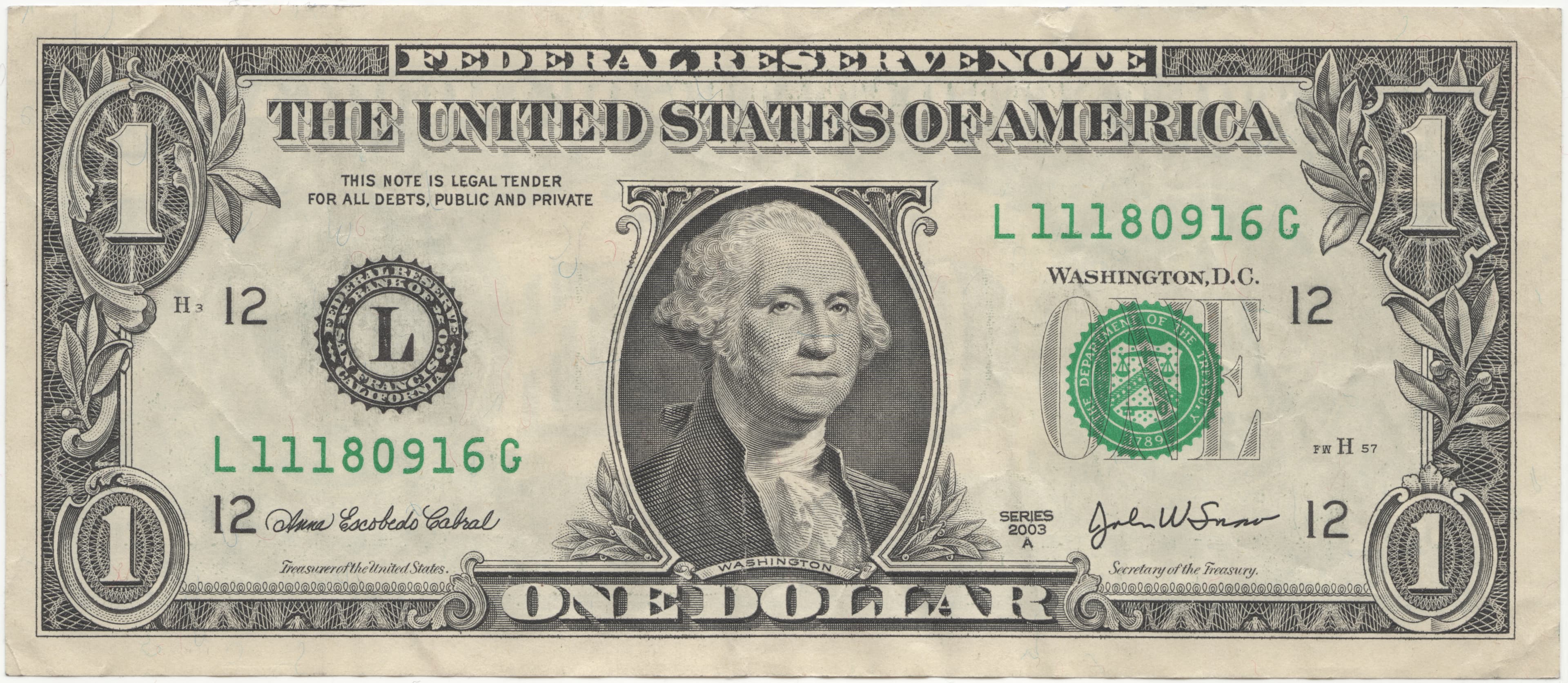
One-Line Hook: The day Circle's earnings signal crossed the Pacific and drove Kakao Pay to the upper limit — stablecoins are no longer 'future technology'; they are 'today's stock price.'
TL;DR
- After Circle (Circle Internet Financial), the issuer of USDC, announced strong earnings, stablecoin-themed stocks surged globally.
- In Korea, Kakao Pay hit the upper limit (+29.9%), with NHN KCP, Danal, Suprema, and Hecto Financial also posting sharp gains.
- The backdrop includes progress on the U.S. GENIUS Act and anticipation around Korea's Digital Asset Framework Act being filed as a unified bill.
- Kakao Pay has already pre-registered trademarks related to a KRW stablecoin, positioning it as a major direct beneficiary if the bill passes.
- However, since the domestic bill has yet to pass, this remains a priced-in expectations phase, and volatility risk persists.
1. The Facts: What Happened
On February 26, 2026, Kakao Pay hit the upper limit on the Korean stock market, leading a rally among stablecoin-related stocks. On the same day, fintech and electronic payment names — including NHN KCP, Danal, Suprema, Hecto Financial, and Me2on — surged in tandem.
The direct catalyst was the strong earnings announcement from Circle Internet Financial in the United States. Circle is the issuer of USDC, the world's second-largest stablecoin. Since its recent Nasdaq IPO, the stock has soared more than 9x from its offering price, capturing the attention of global fintech investors. Circle's robust results lifted investor sentiment toward stablecoin infrastructure broadly, and the ripple effects reached the Korean market.
2. The Mechanism: Why the Surge Happened Now
🇺🇸 U.S. Legislative Momentum
The U.S. Congress is deliberating the GENIUS Act, a bill that would regulate the issuance of stablecoins. If passed, the legal status of dollar-pegged stablecoins would be clarified, opening the door for non-bank fintech companies to become issuers — a potential catalyst for business expansion for companies like Circle.
🇰🇷 Korea's Digital Asset Framework Act Expectations
In Korea, the filing of a unified draft of the Digital Asset Framework Act was announced around February 2026. The bill is likely to include provisions allowing a KRW stablecoin. Kakao Pay has already pre-registered trademarks related to a KRW stablecoin, making it a top expected beneficiary if the bill passes.
📊 Theme Rotation in the KOSPI 6000 Era
Since breaking the 6,000 mark on KOSPI, investors have been searching for the next theme. Following the relay from AI semiconductors → Commercial Act reform → single-stock leverage ETFs, the market interpretation is that stablecoins and fintech have picked up the next baton.
3. Context & Background: Who Are the Stakeholders?
| Stakeholder | Position | Expected Benefit |
|---|---|---|
| Kakao Pay | Pre-registered trademark, active monitoring | Possible KRW stablecoin issuer |
| NHN KCP · Danal | Electronic payment infrastructure | Stablecoin payment processing fee revenue |
| Circle | USDC issuer, listed in the U.S. | Strengthened global stablecoin dominance |
| Korean Financial Authorities | Reviewing the bill | Establishing digital financial infrastructure |
| Individual Investors | Anticipating theme benefits | Short-term volatility risk included |
4. Outlook: How Long Will This Last?
Short-term (1–4 weeks): Until the bill passes, a volatile, expectations-driven market is likely to persist. The key variables are the U.S. GENIUS Act vote schedule and the timing of Korea's Digital Asset Framework Act filing.
Medium-term (3–6 months): If the bill actually passes, business models for Kakao Pay and other fintech companies could become more concrete. In that case, stock prices may be revalued from the 'expectations' phase to a 'visible earnings' phase.
Long-term: Stablecoins are likely to become a core layer of global payment infrastructure. If Korea establishes a legal foundation early, it could gain a competitive edge in the race to become Asia's stablecoin hub.
5. Risk Checklist
References
- Kakao Pay·Circle Stablecoin Korea-U.S. Leaders... 'Cautious Approach Needed'
- Kakao Pay Soars — Who Are the Real Stablecoin Beneficiaries? — JoongAng Ilbo
- Korea Herald: Kakao Pay surges as Circle earnings fuel stablecoin rally
- Ggilbo: Stablecoin-Related Stock Kakao Pay Hits Upper Limit
Image Credit
- Cover image: United States one dollar bill, obverse — Wikimedia Commons, Public Domain