The Last Card to Stop Seohakgaemi: Why Korea's Approval of Single-Stock Leverage ETFs Will Reshape Capital Markets in the KOSPI 6000 Era
The government has decided to allow the launch of 2x leveraged ETFs on individual domestic blue-chip stocks such as Samsung Electronics and SK Hynix. Timed with KOSPI breaking 6,000 for the first time, this is a pivotal policy move to bring capital from overseas-investing Korean retail investors (seohakgaemi) back home — marking the full-scale arrival of high-risk, high-leverage products in the domestic market.
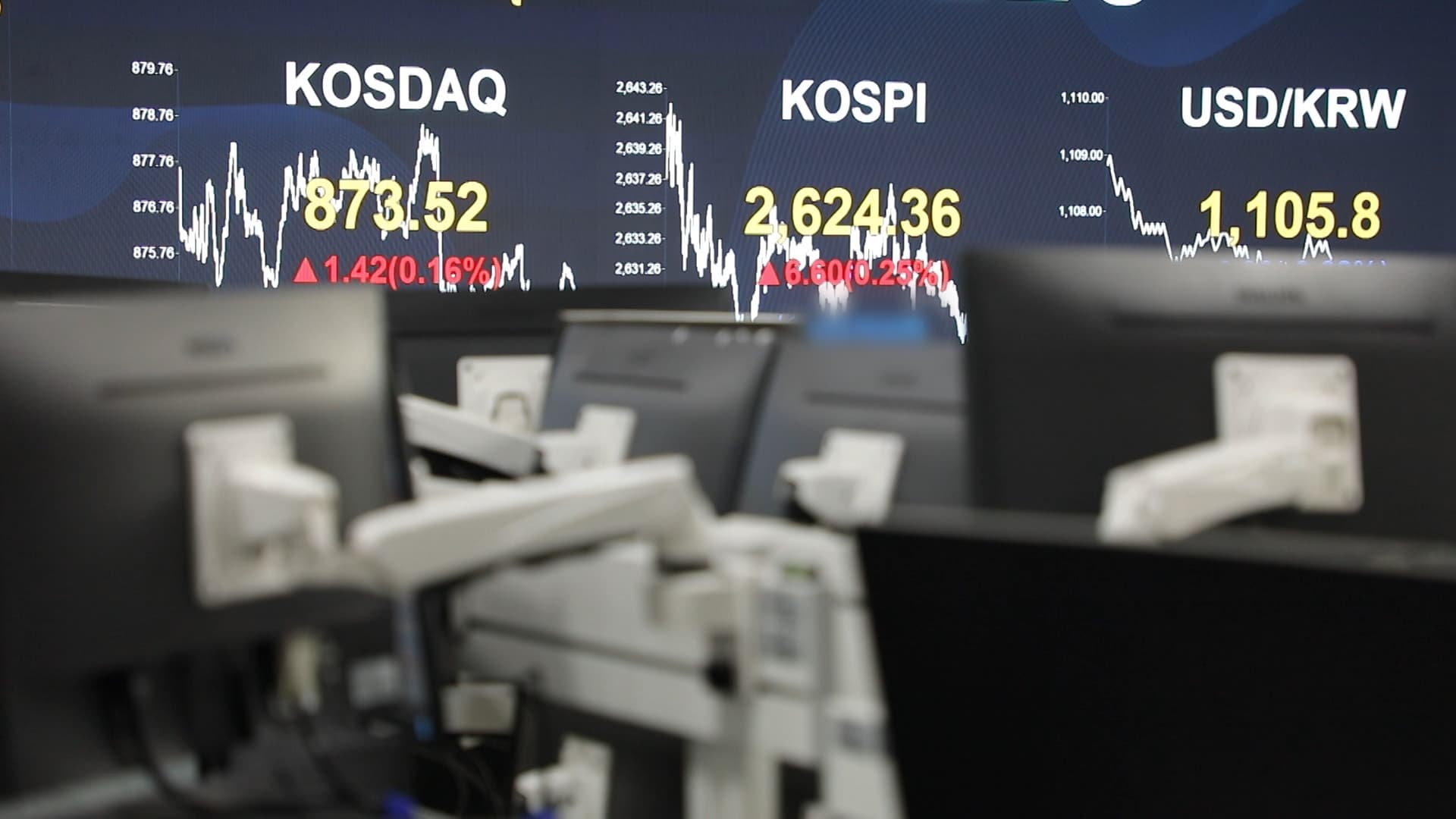
Why you need to read this now: On the day KOSPI broke 6,000 for the first time in history, the government pulled out its most powerful incentive to bring the 'seohakgaemi' home. Allowing single-stock leverage ETFs is not simply adding a new product — it is a sweeping regulatory transformation that will fundamentally change the structure of Korea's capital markets.
TL;DR
- The government and the Financial Services Commission (FSC) have decided to allow the domestic launch of 2x leveraged ETFs on single blue-chip stocks such as Samsung Electronics, SK Hynix, and Hyundai Motor.
- Under existing rules, leverage was capped at 2x based on an index, and ETFs using a single stock as the underlying asset were entirely prohibited.
- The trigger: the combination of Korean retail investors piling into U.S. leveraged products and a sharp won depreciation simultaneously created pressure, making a policy incentive to repatriate funds necessary.
- KOSPI breaking 6,000 (Feb. 25, 2026) and the passage of the Commercial Act amendment together provided the perfect policy timing.
- Industry reactions are mixed, with concerns about concentration among large asset managers and the exclusion of smaller firms.
The Facts: What Happened
Background to Deregulation
Currently in Korea, leverage ETFs are capped at a maximum of 2x, and ETFs using a single stock — such as Samsung Electronics or SK Hynix — as an underlying asset are completely prohibited under the Financial Investment Business Regulations and Korea Exchange listing rules.
As a result, Korean investors seeking high-reward, high-risk products naturally turned to the U.S. market. Looking at net buying patterns in U.S. equities by Korean investors in January 2026:
- Direxion Daily TSLA Bull 2X (TSLL): Net purchases of approximately ₩490 billion (over 60% of Tesla's underlying stock)
- Direxion Daily PLTR Bull 2X: Bought even more than Palantir's underlying stock
This 'leverage concentration' phenomenon was identified as one of the factors accelerating won weakness, and at a closed-door meeting chaired by the Presidential Policy Chief in January 2026, the formal discussion on introducing domestic leverage products was officially launched.
Policy Timeline
| Date | Event |
|---|---|
| Jan. 13, 2026 | Closed-door meeting of securities firm and asset manager CEOs, chaired by Presidential Policy Chief |
| Jan. 16, 2026 | Aju Economy exclusive: "Government reviewing domestic approval of 3x leverage ETFs" |
| Jan. 18, 2026 | Financial authorities confirm: reviewing single-stock leverage ETFs and multipliers above 3x |
| Jan. 29, 2026 | FSC Chairman's official announcement: "Approving 2x ETFs on domestic blue-chip single stocks" |
| Feb. 12, 2026 | Detailed plan announced: Samsung Electronics, SK Hynix, and Hyundai Motor are the leading candidates |
| Feb. 26, 2026 | KOSPI breaks 6,000 + Commercial Act amendment passed → policy momentum reaches peak |
Why It's Trending Again Now
1. The Psychological Impact of KOSPI Breaking 6,000
On February 25, 2026, KOSPI broke the 6,000 mark for the first time in history. This historic moment is more than just a number. It signals the collapse of a psychological resistance line — the feeling that "domestic stocks are now actually worth investing in properly." With the re-ignition of the leverage ETF approval discussion at this timing, it is being interpreted as a "signal flare for the seohakgaemi to return home."
2. Passage of the Commercial Act Amendment
The Commercial Act amendment (mandating share buyback cancellation within one year), passed by the National Assembly on the same day, is the opening shot of reinforced shareholder returns. This is a structural change that increases the attractiveness of domestic stocks not only for institutional and foreign investors but also for individual investors.
3. Heightened Risks of U.S. Leveraged Products
Amidst the Trump administration's 15% tariff issue under Trade Act Section 122 and global uncertainty, the currency risk of seohakgaemi portfolios concentrated in the U.S. market is being highlighted again. This is a moment when the incentive to diversify into domestic products is growing.
Context: Who's Involved
Expected Beneficiaries
Samsung Asset Management · Mirae Asset Management: Overwhelming advantage in brand recognition and liquidity supply capability. Effectively the frontrunners in the race to launch single-stock leverage ETFs.
Samsung Electronics · SK Hynix: The stocks most likely to be selected as underlying assets. The very launch of leverage ETFs will boost trading volume and attention for these names.
Individual Investors (Seohakgaemi): Products like U.S. TSLL and SOXL will become purchasable in won through domestic accounts. This could be advantageous in terms of currency conversion costs and tax structure.
Concerned Players
Small and mid-sized asset managers: Deep concern that this will ultimately become "a party for the big players." If only Samsung Electronics- and SK Hynix-focused products are approved, differentiation becomes impossible, removing any market entry incentive.
Financial Consumer Protection Side: Concern about losses for individuals who invest without understanding the daily compounding loss effect (beta slippage) of high-multiple leverage products. Even in the U.S., SOXL (semiconductor 3x) recorded losses of over 90% in a downturn.
Outlook: How Long Will This Last?
Short-Term (1–3 months)
- Expected listing announcements for Samsung Electronics · SK Hynix 2x ETF products
- Some seohakgaemi return domestically → increased won demand → modest stabilizing effect on exchange rate
- Short-term decrease possible in existing U.S. leverage ETF trading volume
Medium-Term (6 months–1 year)
- Re-discussion of whether to allow 3x leverage (decision based on market response)
- Review of whether to include KOSDAQ names (EcoPro, Kakao, etc.)
- Fee-cutting competition among asset managers begins
Long-Term Variables
If a global market downturn arrives, the sharp drop in leverage ETFs could lead to individual investor losses and political blame. If retail harm cases similar to those after the U.S. allowed 3x leverage ETFs are repeated in Korea, discussions about re-tightening regulation will emerge quickly.
Checklist: What Investors Should Verify
References
- Aju Economy: "Government reviewing domestic approval of 3x leverage ETFs to retain seohakgaemi" (Jan. 16, 2026)
- Global Economic News: "Domestic leverage ETFs coming... Will seohakgaemi return?" (Feb. 1, 2026)
- Invest Chosun: "Asset management industry lukewarm despite single-stock leverage ETF approval" (Feb. 13, 2026)
Image Credit
- Header chart: KOSPI, KOSDAQ, KRW — Wikimedia Commons (Korea Open Government License Type 1)