3-Year Reversal: The Legal Argument Behind Korea's Overturning of Elliott's ISDS '₩160 Billion Damages' Ruling and Its Implications
The Korean government won a final victory in the ISDS arbitral award annulment suit against U.S. hedge fund Elliott Management, avoiding liability for approximately ₩160 billion in damages. The English High Court accepted Korea's argument that 'the National Pension Service is not a state organ,' and the arbitral award in the Samsung C&T–Cheil Industries merger case was remanded for re-arbitration.
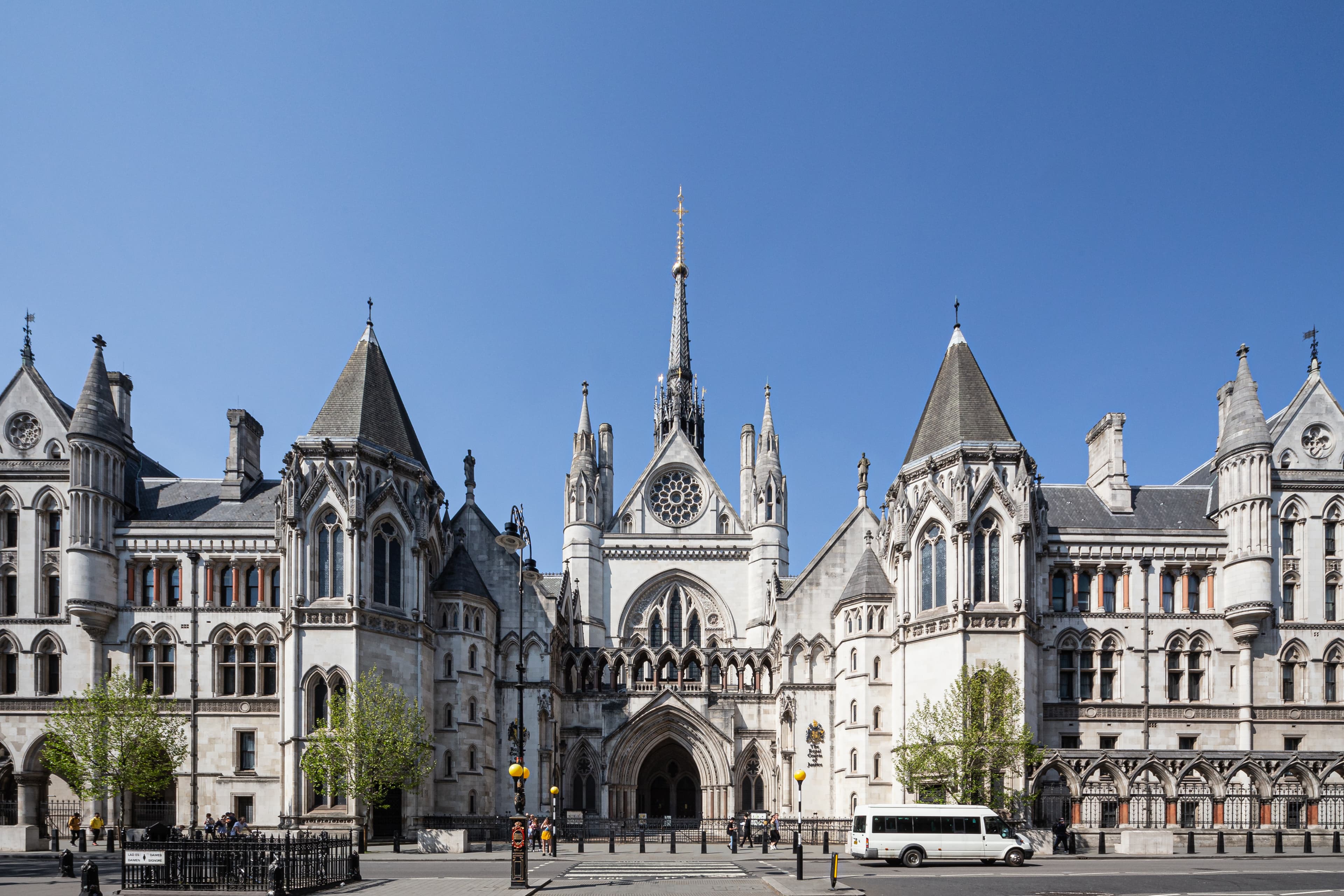
Why this ruling matters right now: More important than protecting ₩160 billion is the fact that the English High Court has officially recognized the legal principle that the National Pension Service's exercise of voting rights is not subject to ISDS.
TL;DR
- The Korean government won its final victory on February 23, 2026 in the ISDS arbitral award annulment suit against U.S. hedge fund Elliott Management.
- The English High Court annulled the core basis of the original arbitral award that had classified the National Pension Service (NPS) as a state organ.
- As a result, the PCA arbitral award ordering Korea to pay approximately ₩130 billion (₩160 billion including accrued interest as of February 2026) lost its effect, and the case was remanded to arbitration.
- Following the complete victory against Lone Star ISDS (over ₩400 billion) earlier the same month, this is Korea's second successive win — marking a milestone in which Korea's ISDS defense strategy has been internationally validated.
- However, since the case has been remanded to arbitration, a second round of arbitration remains over whether the Blue House and the Ministry of Health and Welfare improperly intervened in the NPS's voting decision.
🔍 The Facts: What Happened
The Background — Samsung C&T and Cheil Industries Merger (2015)
In 2015, Samsung Group pursued a merger between Samsung C&T and Cheil Industries to facilitate the succession of management control to Samsung Electronics Chairman Lee Jae-yong. The merger ratio was set unfavorably for Samsung C&T shareholders, and Elliott Management (holding approximately 7.1% of Samsung C&T) opposed the merger.
However, the National Pension Service cast a vote in favor, allowing the merger to proceed. It was later revealed that the Blue House under the Park Geun-hye administration and the Ministry of Health and Welfare had improperly intervened in the NPS's exercise of its voting rights. Elliott used this as grounds to file for arbitration against the Korean government in 2018 under the Investor-State Dispute Settlement (ISDS) provisions of the Korea-U.S. FTA.
The PCA Arbitral Award (June 2023) — First Loss
The Permanent Court of Arbitration (PCA) partially upheld Elliott's claims in June 2023, ordering Korea to pay approximately ₩69 billion + accrued interest + legal costs, totaling roughly ₩130 billion (₩160 billion as of February 2026).
Korea's Counterattack — Annulment Proceedings in English Courts
In July 2023, the Korean government filed annulment proceedings in the English courts, the seat of arbitration. The core argument was simple: "The NPS is not a state organ, so the ISDS jurisdiction — which covers only acts of state organs — never existed in the first place."
| Stage | Outcome |
|---|---|
| July 2023 | Annulment proceedings filed in English courts |
| August 2024 | First instance — Government's claim dismissed (loss) |
| July 2025 | English Court of Appeal — First instance reversed and remanded (government's grounds for annulment recognized) |
| February 23, 2026 | Rehearing after remand — Government's final victory |
The English High Court ultimately ruled: "The core basis of the PCA award treating the NPS as a state organ is annulled." The case was remanded to the arbitral tribunal.
🚀 Why It Became a Hot Topic Now
- The learning effect from the Lone Star complete victory — Just three months after preventing over ₩400 billion in losses to the national treasury in the Lone Star ISDS case in November 2025, another consecutive win. The confidence that "ISDS can be defended" has spread to the public.
- The symbolic weight of the amount — ₩160 billion is not merely a number; it is an issue with political sensitivity tied to "the illegality of the Samsung C&T merger."
- Ministry of Justice briefing — Minister of Justice Jeong Seong-ho himself drew media attention by describing it as "threading a needle through a 3% opening."
- International recognition of NPS autonomy — The principle that the NPS's exercise of voting rights is not subject to ISDS has been recognized by an English court, setting an important precedent for the debate on fund management independence.
🧩 Context and Background
What Is ISDS?
ISDS (Investor-State Dispute Settlement) is a mechanism that allows foreign investors who suffer losses due to a host government's measures to seek compensation through international arbitration. Chapter 11 of the Korea-U.S. FTA contains this provision.
The key issue in this case was whether the NPS's exercise of voting rights constituted a "government measure." Elliott argued that the Blue House and the Ministry of Health and Welfare exerting pressure on the NPS ultimately amounted to "government action," and thus constituted a violation of the Korea-U.S. FTA.
The Core Legal Issue — Jurisdiction vs. Merits
This ruling by the English High Court addressed a jurisdictional question: whether the PCA arbitral tribunal had the authority to hear this case from the outset.
- English Court's finding: The NPS is an independent fund management institution, not a state organ → the basis for PCA's jurisdiction collapses
- Remaining issue: The court noted that the acts of the Blue House and the Ministry of Health and Welfare themselves could constitute "relevant measures" under the Korea-U.S. FTA → these must continue to be argued in the remanded arbitration
The Role of the Law Firms
The victory was led by Peter & Kim and U.S. law firm Arnold & Porter. After the loss in the original 2023 arbitration, Peter & Kim took over the case and turned it around — the same team that had also prevailed in the Lone Star case.
🔮 Outlook: This Fight Is Not Over
Key Issues in the Remanded Arbitration
With the case returned to the arbitral tribunal, the new battleground will be the intervention by the Blue House and the Ministry of Health and Welfare, not the NPS's jurisdictional status.
- Does the causal chain hold — Blue House pressure → NPS's affirmative vote → Elliott's loss?
- Do the acts of the Blue House and the Ministry of Health and Welfare at the time constitute a "violation of fair and equitable treatment" prohibited under Chapter 11 of the Korea-U.S. FTA?
The government has stated it will "continue to contest until the end that there is no liability for damages."
Why Investors Are Watching
The Connection to Resolving the Korea Discount
The Elliott lawsuit is a compressed version of Korea's corporate governance issues — the Samsung C&T merger, the NPS, and management succession. This victory simultaneously signals that "the Korean government is not afraid of ISDS," and, combined with amendments to the Commercial Act (mandatory treasury share cancellation), could accelerate discussions on improving corporate governance.
✅ Checklist: Key Points for Understanding This Case
📎 Reference Links
- Korean Government Wins Elliott ISDS Annulment Suit — Yonhap News
- Interview with Peter & Kim Who Led the Elliott Win — Law Times
- ₩160 Billion Damages Award Overturned — Daum News
- Government Wins in 3-Round, 4-Match Lawsuit Against Elliott — Seoul Economy
🖼️ Image Credit
- Royal Courts of Justice, London — Wikimedia Commons (Public Domain)