9 Consecutive Records, Semiconductors Alone +161%: 5 Signals Korea's February Export of $67.45B Sends to the Economy
South Korea's exports surged 29% year-over-year to $67.45 billion in February 2026, setting an all-time record for the month. Semiconductor exports exploded 160.8% to $25.16 billion — the highest ever for a single month — while the trade surplus hit $15.51 billion, also a historic record.
Why this matters now: Despite losing 3 working days to the Lunar New Year holiday, exports surged nearly 30%. The fact that semiconductors alone jumped 161% is proof that the AI investment cycle is fundamentally reshaping Korea's export structure.
TL;DR
- February 2026 exports: $67.45 billion (+29%) — all-time record for February
- Semiconductor exports: $25.16 billion (+160.8%) — highest ever for a single month
- Semiconductors exceeded $20 billion for the third consecutive month
- Trade surplus: $15.51 billion — largest single-month surplus on record, 13th consecutive month of surplus
- Exports grew year-over-year for the 9th consecutive month
The Facts: What Happened
The Ministry of Trade, Industry and Energy released its 'February 2026 Export & Import Trends' on March 1st. Total exports reached $67.45 billion, up 29.0% year-over-year, setting an all-time February record. This beat Reuters analyst forecasts of +24% by a wide margin.
Despite three fewer working days due to the Lunar New Year holiday, daily average exports surged 49.3%. This means the absolute volume of goods shipped increased — with no need to adjust for base effects or working days.
Imports rose a more modest 7.5% to $51.94 billion, leaving a trade surplus of $15.51 billion — the largest single-month trade surplus in Korea's recorded trade history.
The Drivers: Why Such an Explosion?
🔥 The AI Investment Cycle Strikes Directly
The core engine behind the semiconductor export surge is expansion of AI server investment. Global big tech companies (NVIDIA, TSMC, Amazon, Microsoft) are dramatically ramping up demand for HBM (High Bandwidth Memory) and DDR5 to build AI infrastructure — and Korea's Samsung Electronics and SK Hynix sit at the center of that windfall.
- Semiconductors: +160.8% → $25.16 billion (monthly all-time high)
- Computer-related exports: +222%
- Ships: +41%
- Wireless communication devices: +12.7%
By contrast, automobiles (-20.8%), petrochemicals (-15.4%), and steel (-7.8%) all contracted. Korea's export portfolio is rapidly concentrating around semiconductors and digital products.
📦 Regional Export Breakdown
| Region | Growth Rate |
|---|---|
| United States | +30% ($12.85 billion) |
| China | +34% |
| ASEAN | +30.4% ($12.47 billion) |
| EU | +10.3% ($5.6 billion) |
The 30% rise in US-bound exports signals that semiconductor demand is more than offsetting the impact of US tariffs.
Context: The Structural Meaning Behind 9 Consecutive Records
Since turning positive year-over-year in June 2025, South Korea's exports have grown for 9 straight months, breaking all-time records each month. This is not simply a cyclical recovery — it reflects a structural shift in demand created by the AI investment cycle.
Historically, Korea's semiconductor export cycle was tied to PC and smartphone replacement cycles. Today, that cycle is linked to the pace of AI data center expansion, which is why analysts broadly agree that the current upcycle is longer and stronger than previous ones.
"Semiconductor exports exceeded $20 billion for the third consecutive month, driven by strong AI investment and rising memory prices." — Korea Ministry of Trade, Industry and Energy
Outlook: Will This Continue After March?
Positive Factors:
- AI server investment demand is expected to remain intense throughout 2026
- HBM supply remains tight, with prices continuing to rise
- Export diversification toward ASEAN and the US is underway
Risk Factors:
- Expanded US tariffs could further damage autos and steel
- Hormuz Strait blockade risks driving energy and logistics costs sharply higher
- Prolonged weakness in non-semiconductor sectors (autos, petrochemicals)
- China's ramp-up of domestic semiconductor production could intensify market share competition
Duration Estimate: The semiconductor AI demand cycle is a 1–3 year structural trend. However, quarter-to-quarter volatility remains.
Checklist: How to Read This Data
Reference Links
- Korea Feb exports beat forecasts, rise for ninth month — Reuters
- February exports jump 29% to record high — Korea JoongAng Daily
- Exports jump 29 pct to record Feb. high on surging chip demand — Korea Herald
Image Credit
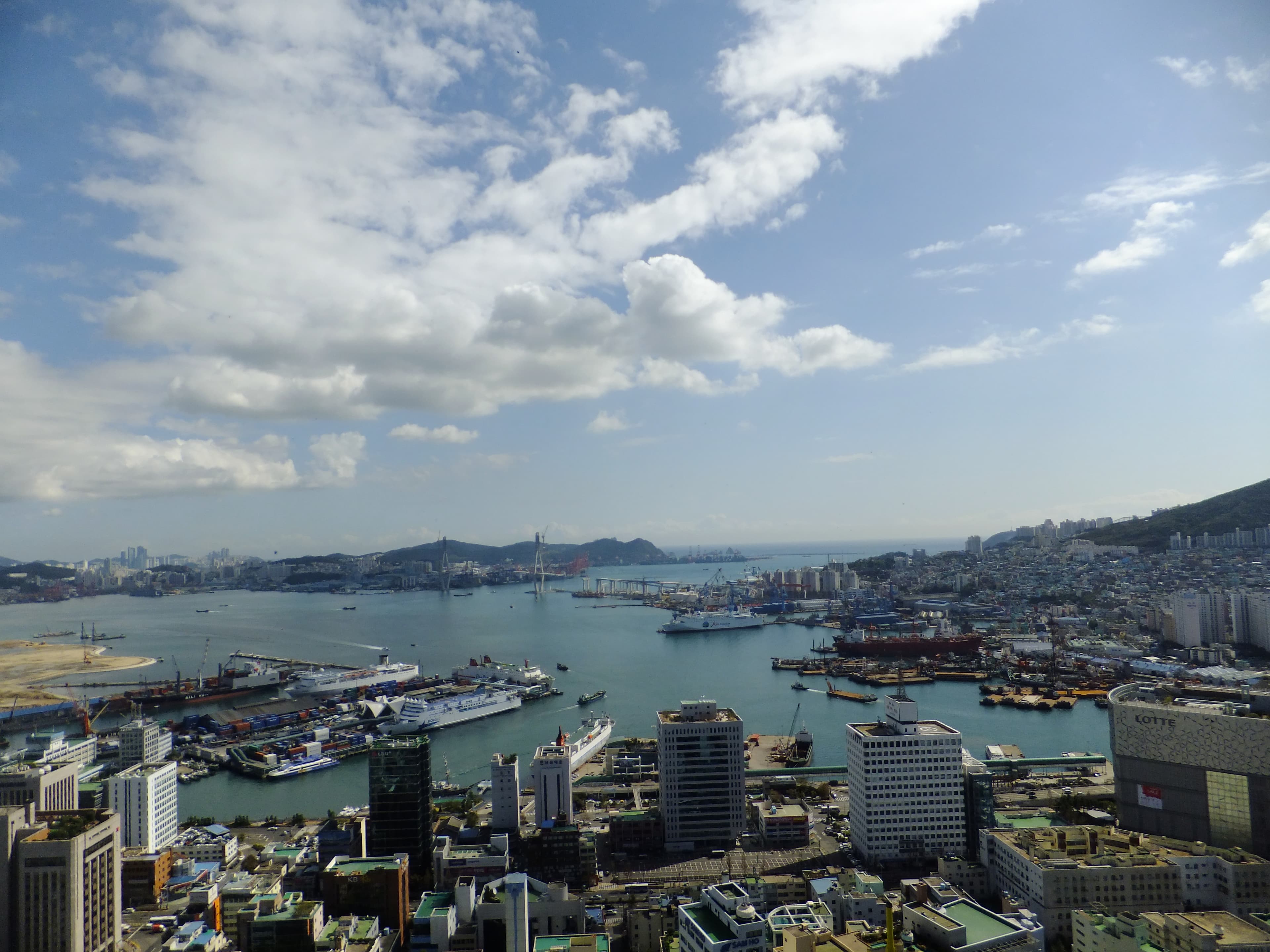
- Image: Port of Busan, Wikimedia Commons (CC BY-SA)