The End of 37 Years of Iron Rule: 5 Shockwaves Khamenei's Death Sends to Korea's Energy, Exports, and North Korea Nuclear Equation
With Iranian Supreme Leader Ali Khamenei killed in a U.S.-Israeli airstrike on February 28, 2026, the Middle East has entered a state of extreme instability. The sudden death of the absolute ruler who governed Iran for 37 years is sending complex shockwaves through Korea's energy security, Middle East construction contracts, North Korea nuclear diplomacy, and KOSPI volatility.
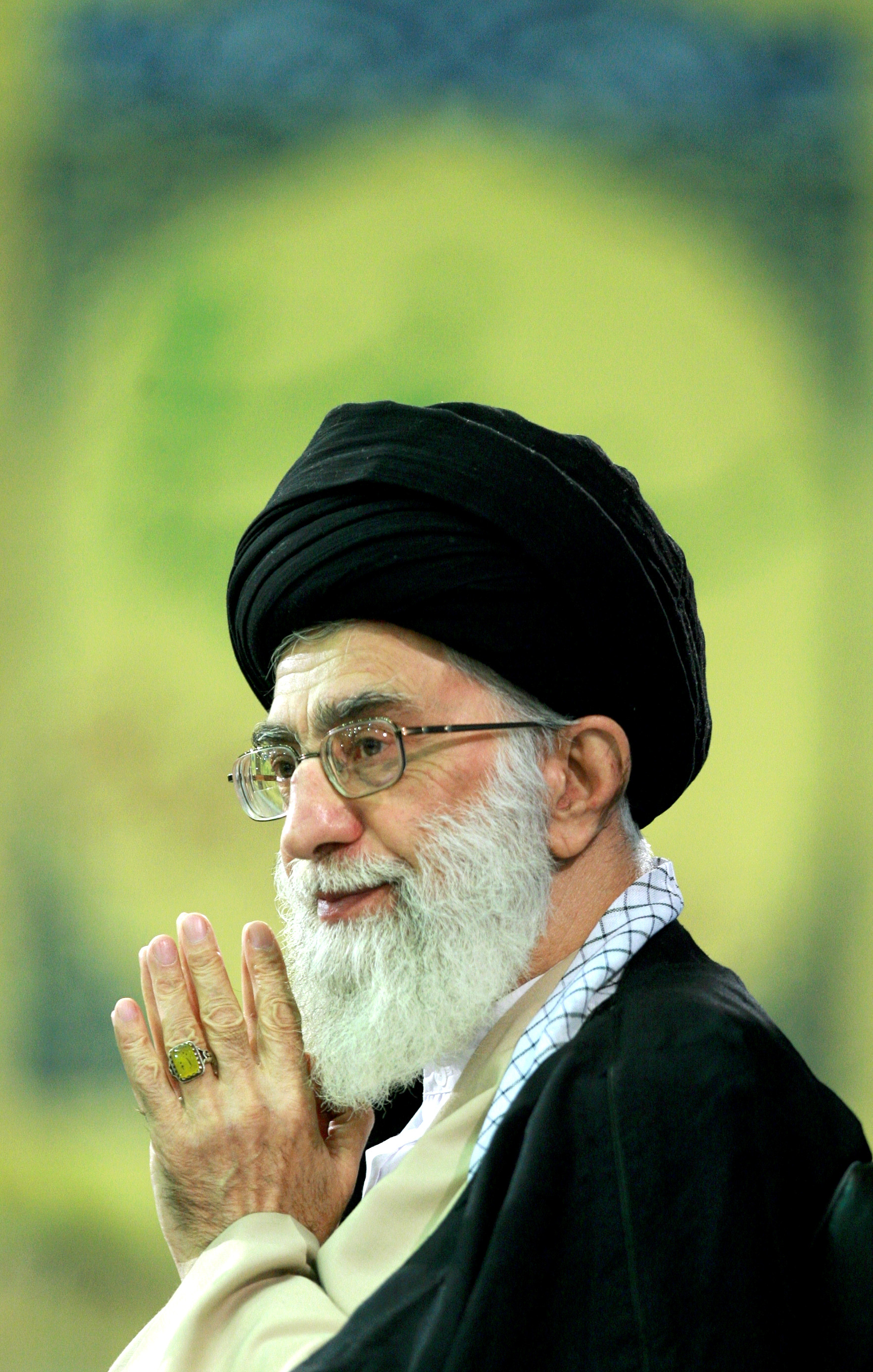
Image source: Wikimedia Commons — Seyyed Ali Khamenei (CC BY 4.0)
Why does this matter now? The absolute ruler who governed Iran for 37 years has died in a U.S.-Israeli airstrike. The balance of power in the Middle East is shifting — and Korea's energy supply, economy, and security are feeling the cascading effects.
TL;DR
- Ali Khamenei (86), Iran's Supreme Leader, killed in a U.S.-Israeli airstrike on February 28, 2026
- Iran forms a three-member interim leadership council; 40-day national mourning period declared
- South Korea's KOSPI records its largest-ever single-day drop (−7.24%); only defense stocks surge
- Korean companies enter emergency mode in the Middle East; energy supply and construction contract risks escalate
- Future of the North Korea–Iran strategic partnership thrown into uncertainty
1. The Facts: What Happened
On February 28, 2026 (local time), a joint U.S.-Israeli airstrike struck near Iran's capital Tehran. Iran's state media officially announced on March 1 that Supreme Leader Ali Khamenei and members of his family were killed in the attack.
Khamenei, who rose to the position of Supreme Leader following the death of Khomeini in 1989, had ruled as the absolute authority of Iran's theocratic system for 37 years. As a lifetime appointment, the Supreme Leader held final decision-making authority over the military, judiciary, and executive branches, and was referred to in Iran's constitution as God's representative on earth.
Immediately following Khamenei's death, in accordance with Article 111 of Iran's constitution, a three-member interim leadership council was formed, comprising President Masoud Pezeshkian, the head of the judiciary, and one member of the Guardian Council. The Iranian government declared a 40-day national mourning period and a 7-day public holiday.
2. Why This News Spread Like Wildfire
- An unprecedented event: A sitting head of state being killed in a foreign airstrike is extremely rare in modern international political history
- Fear of wider Middle East war: The ongoing Iran-Israel conflict entered an unpredictable phase with the removal of the Supreme Leader
- Shock to global energy and financial markets: Oil prices surged sharply; stock markets fell worldwide
- Reactions from Iranians in Korea: Scenes of Iranians in Seoul's Seongsu-dong and Yeoksam-dong holding rallies to celebrate Khamenei's death drew unusual attention
- Trump's remarks: President Trump reaffirmed his stance against Iran obtaining nuclear weapons, calling it a "historic opportunity"
3. Context & Background: Who Was Khamenei?
| Item | Details |
|---|---|
| Birth | April 1939, Mashhad, Iran |
| Tenure as Supreme Leader | 1989–2026 (37 years) |
| Key policies / ideology | Hardline anti-U.S. and anti-Israel stance; nuclear development; support for Hezbollah |
| Notable events | 2015 JCPOA nuclear deal implementation; 2022 violent crackdown on Mahsa Amini protests |
| Cause of death | U.S.-Israeli airstrike on February 28, 2026 |
The Islamic Revolutionary Guard Corps (IRGC) and the military establishment are likely to emerge as the true center of power. Selecting a successor requires approval from two-thirds of the 88-member Assembly of Experts; since Khamenei loyalists have occupied all seats since 2024, the emergence of a hardline successor appears likely.
4. Five Shockwaves for Korea
① Energy Security Emergency
South Korea depends on the Middle East for approximately 60% of its crude oil imports. Following Khamenei's death, renewed fears of a Strait of Hormuz blockade have hammered refining, aviation, and shipping stocks. Citibank warned that if oil prices remain above $82 per barrel, Korea's GDP growth could fall by 0.45 percentage points.
② KOSPI's Largest-Ever Single-Day Drop
On March 3, the KOSPI closed down 452 points (−7.24%), recording its largest-ever single-day decline. This was the result of a combination of Khamenei's death, fears of Middle East escalation, and the drone strike on Aramco's refinery facilities.
③ Middle East Construction and Contract Risks
Korean construction firms and companies hold large outstanding contracts in the UAE, Saudi Arabia, and regions near Iran. In addition to companies directly trading with Iran, logistics and personnel movements across Middle East projects could face disruption.
④ Defense Stocks as the Sole Beneficiary
Despite the broader market collapse, Korea's defense "Big 5" — Hanwha Aerospace, LIG Nex1, Hyundai Rotem, KAI, and others — surged on the day. Middle East instability is expected to drive structural demand for increased defense spending across Europe and Asia.
⑤ Shifting North Korea Nuclear Diplomacy
Under Khamenei, Iran served as a strategic partner with North Korea, sharing missile technology and nuclear development expertise. If Iran's theocratic system is destabilized, the fallout could ripple into North Korea's nuclear and missile diplomacy. NK News analyzed that "Khamenei's death could spell the end of North Korea–Iran relations."
5. Outlook: What Happens Next
Medium-term (1–3 months): If oil prices stabilize at $70–$90, renewed upward pressure on Korean inflation. Korea's government to activate emergency energy response systems.
Long-term (6 months+): Depending on whether Iran's theocratic system survives, a fundamental reshaping of Middle East geopolitics. Korea–Iran trade and construction contract environment expected to change fundamentally.
Checklist: Action Points for Korean Investors and Businesses
References
- BBC Korea — Iran's power structure after Khamenei's death
- Yonhap News — What fate awaits Iran's theocracy after losing its Supreme Leader
- Chosun Ilbo — Khamenei's successor rests in the hands of 88 clerics
- KED Global — Seoul girds up for Iran crisis
- NK News — Khamenei's death could spell end of N. Korea-Iran ties
- JoongAng Daily — Korea GDP may shed 0.45pp if oil prices stay high