22 of 26: How Lee Jae-myung Will Reshape Korea's Supreme Court — 5 Meanings of the Completed Judicial Reform Trilogy
The passage of the Supreme Court Justice Expansion Act completes South Korea's three-pronged judicial reform package (law distortion crime, constitutional appeal, and justice expansion). President Lee Jae-myung will be able to appoint 22 of 26 Supreme Court justices during his term, fundamentally restructuring the personnel landscape of the nation's judiciary.
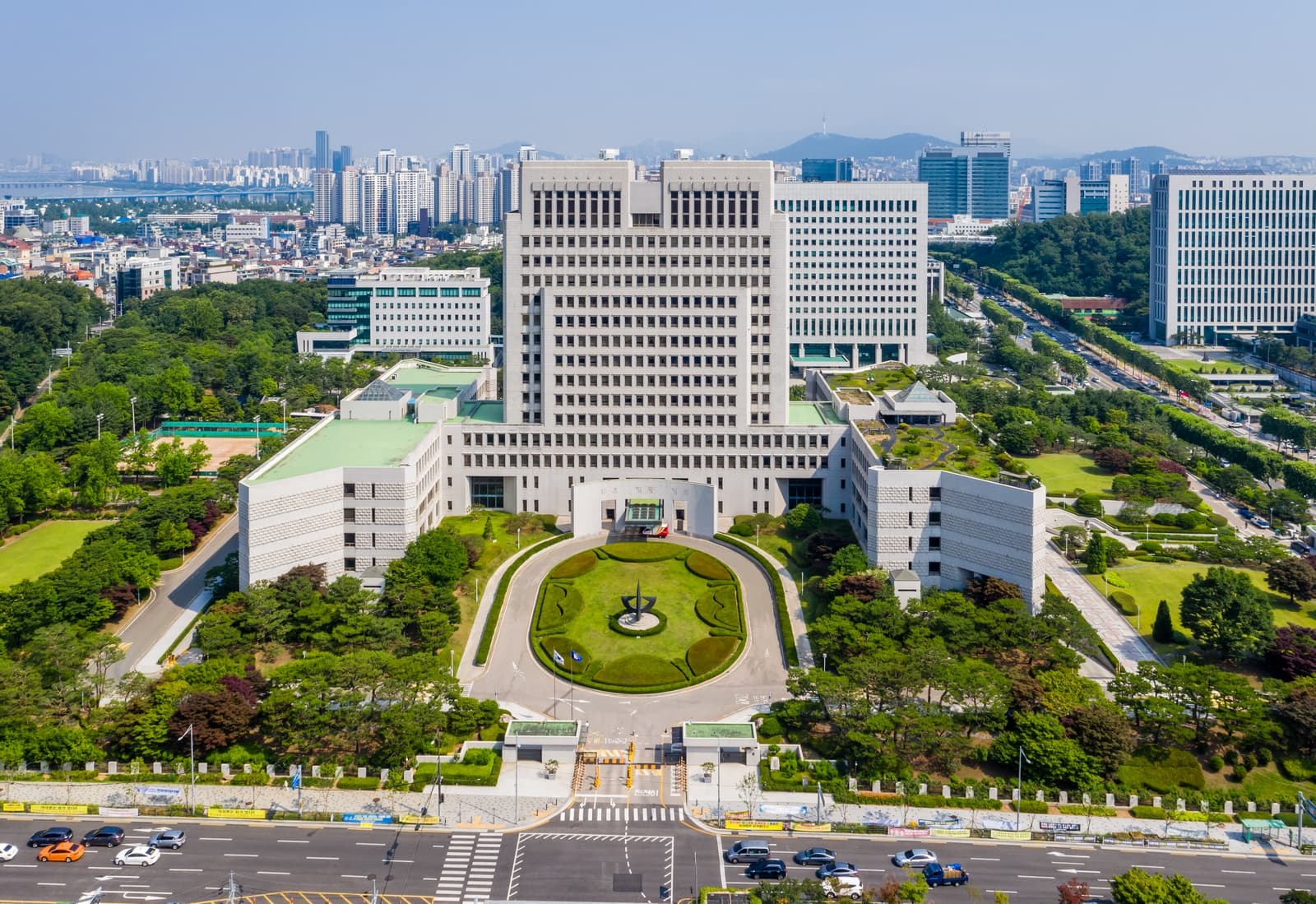
Why You Need to Read This Now: With the completion of the Judicial Reform Trilogy, President Lee Jae-myung will be able to directly appoint 22 of 26 Supreme Court justices during his term. This is an unprecedented restructuring of the judiciary in South Korean legal history.
TL;DR
- On February 28, the Supreme Court Justice Expansion Act (amendment to the Court Organization Act) passed the National Assembly plenary session 173 to 73
- This marks the complete legislative conclusion of the Judicial Reform Trilogy — the Law Distortion Crime, Constitutional Appeal, and Justice Expansion bills
- President Lee Jae-myung will be able to appoint a total of 22 Supreme Court justices during his term (12 new seats + 10 term expirations)
- Concerns about "weakening of lower courts" growing within the judiciary; Court Administrator Park Young-jae submits resignation
- Major outlets including Hankyoreh and Dong-a Ilbo run simultaneous analyses on March 1 framing the judiciary as "besieged on all sides"
1. The Facts: What Is the Judicial Reform Trilogy?
The three bills driven by the Democratic Party of Korea, their core contents, and their passage dates are as follows.
| Bill | Key Content | Date Passed |
|---|---|---|
| Criminal Code Amendment (Law Distortion Crime) | Judges and prosecutors who deliberately distort the law face criminal punishment | Feb 25, 2026 |
| Constitutional Court Act Amendment (Constitutional Appeal) | Final court rulings can be challenged via constitutional petition to the Constitutional Court | Feb 27, 2026 |
| Court Organization Act Amendment (Justice Expansion) | Supreme Court justices expanded from 14 to 26, in stages | Feb 28, 2026 |
The Justice Expansion Act will add a total of 12 justices in phases — 4 per year for 3 years starting in 2028, two years after the bill is promulgated.
2. The Core Issue: Lee Jae-myung Appoints 22 Justices
Among the three reform bills, the one with the greatest impact is the president's power to appoint Supreme Court justices.
The current term for a Supreme Court justice is 6 years. During President Lee Jae-myung's tenure, 10 sitting justices are due to reach term expiration. If the president appoints all 12 newly created seats as well:
22 of 26 Supreme Court justices = appointed by President Lee Jae-myung
This represents approximately 85% of the entire Supreme Court's composition. The opposition People Power Party fiercely protested, calling it "the destruction of the separation of powers and the completion of dictatorship." During the vote on the filibuster closure motion, PPP lawmakers held up placards reading 'Judicial Destruction, Dictatorship Complete' in silent protest.
3. Why This News Is Spreading Now
The Justice Expansion Act passed on the evening of February 28, but discussion is exploding ahead of the first working day after the March 1st Independence Movement Day holiday.
4 Key Drivers of Viral Spread:
- Unprecedented public backlash from within the judiciary — Court Administrator Park Young-jae submitted his resignation, and the Supreme Court announced it would convene a nationwide chief judges' meeting.
- Igniting debate over abolishing the Court Administration Office — A Hankyoreh editorial (3/1) proposing "it's time to discuss abolishing the Court Administration Office" set the agenda for the next round of reform.
- Whether Lee Jae-myung will veto — If the president does not exercise a veto, the bill will be promulgated next month. The ruling camp asserts a veto is essentially impossible.
- 107th Anniversary of the March 1st Movement + Judicial Overhaul — The symbolic connection to President Lee's judicial reform drive, framed under the March 1st message of "the spirit of the independence movement and the defense of democracy."
4. Concerns Within the Judiciary: The Lower Court Hollowing-Out Argument
The biggest internal concern at the Supreme Court is the hollowing out of lower courts.
- The current total number of judges is legally fixed at 3,384.
- If 12 more Supreme Court justices are added, approximately 100 additional judicial research clerks will be absorbed into the Supreme Court to assist them.
- This is equivalent to pulling out the entire bench of the Busan District Court (96 judges) from the first and second instance courts.
The Dong-a Ilbo (3/1) reported in detail on internal judicial concerns that "concentrating personnel at the Supreme Court will hollow out the lower courts." Critics also argue that worries about the politicization of the judiciary outweigh concerns about actual case resolution.
5. Outlook and 5 Key Meanings
② Debate Over Abolishing the Court Administration Office Enters Full Swing — Following the passage of the trilogy, abolishing the Court Administration Office and establishing a Judicial Administration Committee has emerged as the next agenda item in judicial democratization.
③ Completion of Lee Jae-myung's Judicial Drive — After the Prosecution Reform and the Corruption Investigation Office, the judiciary itself is now being restructured. The opposition labels this "judicial capture" and is reviewing a constitutional petition.
④ Veto vs. Promulgation — If the president does not exercise a veto, promulgation will happen within March → the first 4 new justices added in 2028. A veto is seen as a practically impossible option.
⑤ 2027 Presidential Election Variable — The power to appoint 22 justices is being linked to a long-term ruling party dominance structure, and judicial independence is expected to emerge as a central issue in the next presidential race.
Checklist: Points to Watch Going Forward
Reference Links
- Hankyoreh: Judicial Reform Trilogy Passes National Assembly — Time to Discuss Abolishing Court Administration Office
- Dong-a Ilbo: Three Judicial Reform Bills Finalized — Lee Administration Can Appoint 22 of 26 Supreme Court Justices
- Law Times: Supreme Court Justice Expansion Act Passes National Assembly Plenary Session
- YTN: All Three Judicial Reform Bills Ultimately Pass — Judiciary Besieged on All Sides
Image Source
- 대한민국 대법원 청사: Supreme Court of Korea (2020).jpg (CC BY 4.0 / Seoul Institute / Wikimedia Commons)