The Paradox of Sunaedong's ₩2.9 Billion: 5 Reasons Only 'Super-Rich' with ₩2.7 Billion in Cash Can Buy President Lee Jae-myung's Apartment
President Lee Jae-myung has listed his Bundang Sunaedong Yangji Village apartment for ₩2.9 billion, but due to a mortgage cap of ₩200 million on properties exceeding ₩2.5 billion, the actual pool of buyers is limited to an extreme few super-rich individuals holding at least ₩2.7 billion in cash. Representative Ahn Cheol-soo's critique of the 'real estate normalization paradox — where ordinary people can't even buy it' is reigniting the debate over easing loan regulations.
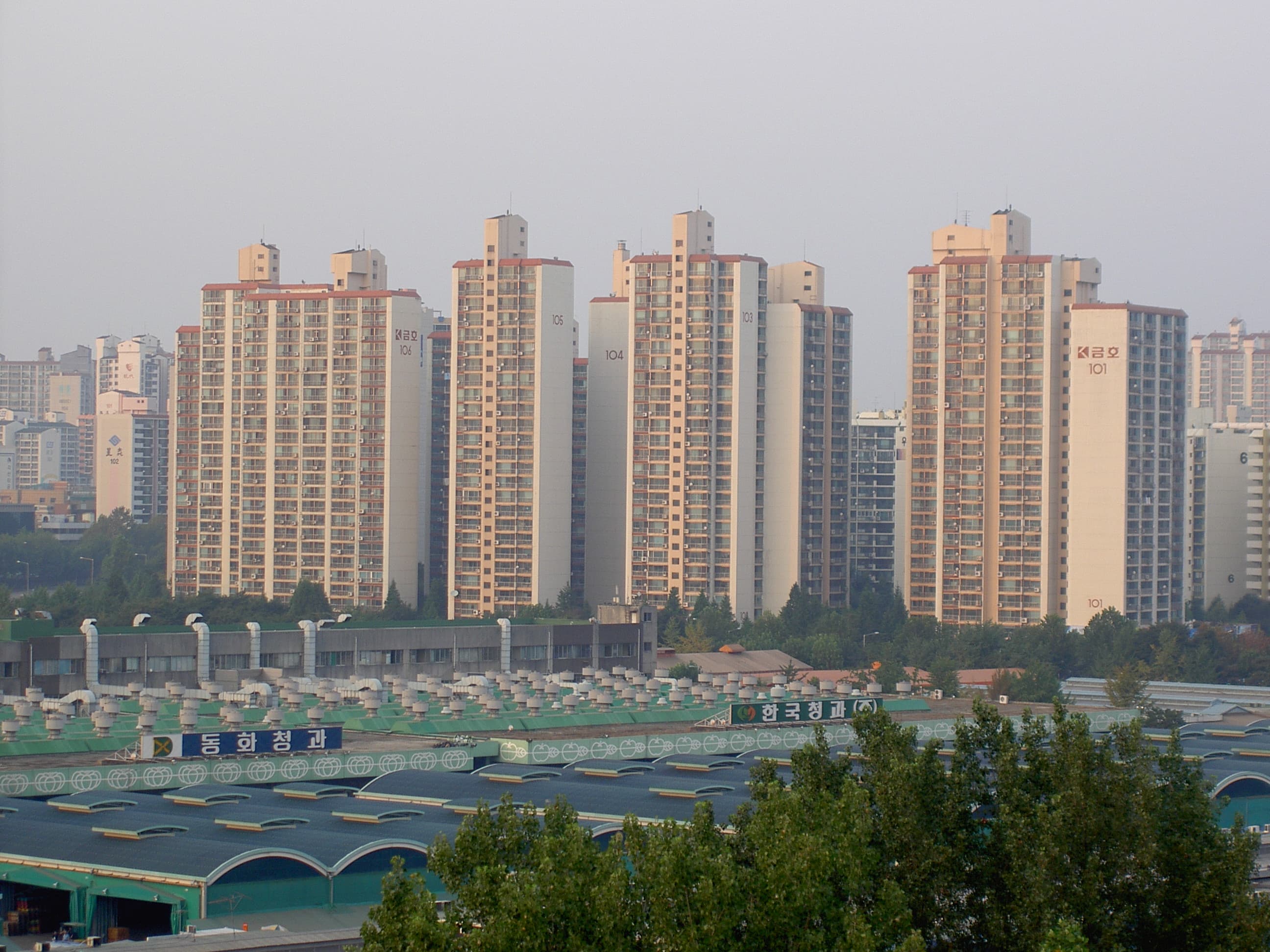
Why You Need to Know This Now: President Lee Jae-myung's sale of his ₩2.9 billion apartment — widely praised as a personal demonstration of his 'real estate normalization pledge' — is paradoxically exposing the structural contradictions of loan regulations and generating an ironic ripple effect.
TL;DR
- President Lee has listed his Yangji Village apartment (164㎡) in Sunaedong, Bundang, Seongnam, Gyeonggi-do for ₩2.9 billion
- Mortgage cap on properties over ₩2.5 billion: maximum ₩200 million — meaning at least ₩2.7 billion in cash is required
- Rep. Ahn Cheol-soo: "Only the ultra-wealthy can buy this apartment" — calls for easing loan restrictions
- Controversy spreading into debate over the gap between real estate policy direction and loan regulations
- The tenant's lease expiration (October) remains a variable before any deal can close
The Facts: Who Can Actually Buy a ₩2.9 Billion Apartment?
On February 27, President Lee Jae-myung listed a 164㎡ (approximately 59-pyeong) apartment in the Kumho Building 1 complex of Yangji Village, Sunaedong, Bundang-gu, Seongnam, Gyeonggi-do for ₩2.9 billion. The property, jointly purchased with his spouse in 1998, is currently occupied by a tenant whose lease expires this October.
The key question is who can actually buy this apartment. Under the October 15, 2025 loan regulations, mortgages on properties priced above ₩2.5 billion are capped at a maximum of ₩200 million. To purchase a ₩2.9 billion property, a buyer would need at least ₩2.9B − ₩200M = ₩2.7 billion in cash.
People Power Party Representative Ahn Cheol-soo posted on SNS on March 1: "Only super-rich individuals with a minimum of ₩2.7 billion in cash can buy this apartment," and called for easing loan regulations.
Why This Issue Is Exploding Right Now
President Lee's decision to sell his apartment was initially interpreted positively as a declaration of intent to normalize the real estate market. However, once Rep. Ahn's criticism emerged, the narrative shifted 180 degrees.
| Category | Details |
|---|---|
| Sale Price | ₩2.9 billion (listed slightly below market value) |
| Loan Cap | Maximum ₩200 million (regulation on properties over ₩2.5B) |
| Cash Required | At least ₩2.7 billion |
| Realistic Buyer Pool | Limited to ultra-high-net-worth individuals (super-rich) |
| Tenant Lease Expiry | October 2026 |
The irony of the President's apartment being transacted within a structure where ordinary people can barely dream of homeownership spread rapidly via social media.
Context & Background: The Collision Between Loan Regulations and Real Estate Normalization
The Lee Jae-myung administration has positioned real estate price stabilization as a core policy principle since taking office. However, the simultaneously enforced high-intensity loan regulations have continued to draw criticism for raising barriers for genuine end-user buyers.
- ₩200 million mortgage cap on properties over ₩2.5B: Effectively opens the high-end housing market exclusively to cash-wealthy buyers
- Loan hurdles for ordinary homebuyers: Rep. Ahn Cheol-soo used this opportunity to formally demand that the government ease lending conditions for genuine end-user buyers
- Political fallout: The opposition (People Power Party) is moving to use this incident as evidence of the administration's 'double standard in real estate policy'
Outlook: 5 Changes This Debate Could Bring
① Reigniting the Debate on Easing Loan Regulations
The opposition, including Rep. Ahn Cheol-soo, is likely to bring the issue of easing loan regulation legislation back into public discourse. Voices within the ruling party calling for protection of genuine end-user buyers may also grow louder.
② Sustained Scrutiny of President Lee's Asset Management
Until the sale is completed, the tenant's lease (expiring in October) and whether the transaction actually closes will remain subjects of ongoing public interest.
③ Entrenchment of the High-End Housing Market as a 'Members-Only Club'
If a structure requiring ₩2.7 billion in cash to transact persists, the high-end housing market is expected to become even more firmly entrenched as the domain of the ultra-wealthy.
④ A Debate Over Real Estate Policy Credibility
A full-scale battle of narratives — 'normalization intent vs. neglect of ordinary people' — is expected to intensify, making it harder for the government to manage its real estate policy messaging.
⑤ Feeding Into Election Calculations
Housing insecurity for ordinary citizens is one of the most powerful issues in any election cycle. This incident could operate as a long-term political variable.
Checklist: What to Monitor Now
Reference Links
- Ahn Cheol-soo: "Only super-rich can buy Lee Jae-myung's ₩2.9B apartment" — Chosun Ilbo
- Ahn Cheol-soo SNS — Nate News
- President Lee's Bundang apartment listed at ₩2.9B — News1
Image Credit
- Seoul Apartment Complex: Stegano, Public Domain, Wikimedia Commons (Seoul_garak_APT.jpg)