'We Are a Chinese Vessel': 5 Shocks the Gulf Ships' Nationality-Disguise Survival Strategy Sends to Global Shipping, Energy, and International Law
Since Iran's blockade of the Hormuz Strait, ships transiting the Gulf have been claiming 'We are a Chinese vessel' over VHF radio communications to avoid Iranian attacks. This strategy simultaneously exposes the fragility of global maritime trade and the gaps in international law.
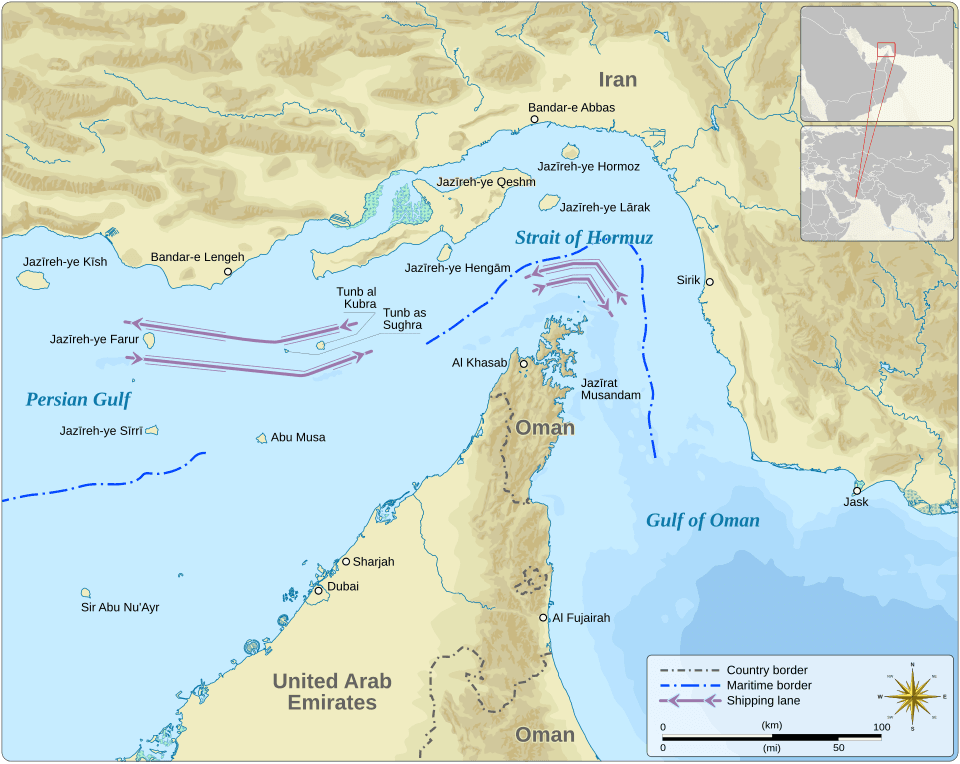
"We are a Chinese vessel" — Ships transiting the Gulf are disguising their nationality over VHF radio communications to avoid Iranian attacks. Yonhap News, 2026.03.07 21:10
Why you need to read this now: On the 7th day of the Hormuz blockade, ships passing through the strait — through which 20% of the world's crude oil flows — have begun falsifying their nationality to survive. This is an issue directly connected to Korea's energy security and shipping industry.
TL;DR
- Iran declared the Hormuz blockade on March 1, 2026, banning passage for vessels of the U.S., Israel, and their allies
- No separate restrictions on Chinese vessels → ships trying to transit the danger zone have been falsely claiming "Chinese nationality" in growing numbers
- China and Iran are in separate negotiations for safe passage of their own vessels (JoongAng Ilbo · ViewsAndNews, 3/6)
- 7 or more Korean vessels remain trapped in the Hormuz area, and the energy supply crisis continues
- Nationality disguise potentially violates international maritime law, but there is no enforcement authority in wartime
The Facts: What Is Happening
Iran's Islamic Revolutionary Guard Corps (IRGC) declared the Hormuz Strait blockade on March 1 and banned passage for vessels of the United States, Israel, and their allied nations. However, there was no separate mention of Chinese vessels.
Exploiting this "exception clause," ships that need to transit the Gulf have increasingly been claiming "We are a Chinese vessel" in radio exchanges with Iranian naval vessels, according to an exclusive report by Yonhap News at 9:10 PM on March 7.
China and Iran are already in separate negotiations for the safe passage of their own vessels through the Hormuz, and some Chinese ships have been confirmed to have passed through without incident (ViewsAndNews, MBC News).
Spread Mechanism: Why This Strategy Is Proliferating
| Factor | Details |
|---|---|
| Iran's selective sanctions | No mention of Chinese vessels → formation of a legal 'gray zone' |
| Lack of verification means | Iranian navy's real-time nationality verification capability is limited |
| Survival pressure | Failure to transit Hormuz means millions of dollars in lost revenue per voyage |
| AIS manipulation precedent | Falsification of Automatic Identification System (AIS) data has been spreading since the early 2020s |
Just as the viral photo of a Korea-bound tanker "sailing through freely" just before the blockade captured attention, the survival instinct of ships in danger zones is leading to collective nationality disguise.
Stakeholders: Who Is Involved
China — The biggest beneficiary of this situation. Leveraging its friendly relations with Iran to position itself as the provider of a 'maritime transit pass,' while stably securing its own energy supply. China, which is heavily dependent on Middle Eastern oil, is quietly displeased with Iran's blockade measures but is reaping real gains through quiet diplomacy.
Iran — If the number of nationality-disguising cases increases, the effectiveness of sanctions is diluted. Caught in a dilemma between strengthening verification and the risk of mistaken attacks.
Korea — About 70% of energy imports are sourced from the Middle East. Seven or more vessels are currently trapped in the Hormuz area, and there are unconfirmed reports that some shipping companies are effectively considering a 'nationality disguise' strategy.
Global shipping companies — With insurers spiking war-risk zone premiums, nationality disguise carries the risk of voiding insurance policies.
Outlook: How Long Will This Last?
If the Iran war is prolonged, the nationality disguise strategy is highly likely to become entrenched as a structural practice. Despite President Trump's declaration of a "4–6 week end," the on-the-ground situation is complex. If Iran strengthens its verification system or begins imposing restrictions on Chinese vessels as well, this strategy would immediately collapse.
Estimated lifespan: Short-lived to half-day (breaking news issue) + high probability of re-ignition if the Iran war continues.
Secondary Issues: Derivative Debates
- International maritime law vacuum: The 1958 High Seas Convention and UNCLOS in principle prohibit false nationality claims by vessels, but there is no enforcement authority in a wartime situation.
- Collapse of AIS credibility: If vessel location and nationality data (AIS) are falsified on a large scale, the credibility of the entire global maritime security system is shaken.
- China's 'quiet hegemony': A new pattern of China expanding its influence in Middle Eastern maritime order through non-military means.
- Absence of Korean government guidelines: A legal and ethical vacuum in which shipping companies must make their own judgments.
✅ Checklist
References
- Yonhap News — Ships Transiting the Gulf Claim 'We Are a Chinese Vessel' to Avoid Iranian Attacks (2026.03.07 21:10)
- MBC News — '0 Ships a Day' — The Oil Route Is Blocked… Does China Pass Through Freely?
- JoongAng Ilbo — Does China Pass Through Hormuz Freely?… 'Negotiating Safe Vessel Passage with Iran' (2026.03.06)
- ViewsAndNews — China Negotiating with Iran on Hormuz Passage; Some Chinese Vessels Getting Through
Image source: Wikimedia Commons — Hormuz Strait map (Public Domain)