17 Years of Shock: 5 Urgent Challenges the KRW/USD Rate Breaking 1,500 Poses to Korea's Households, Businesses, and Government
Driven by the fallout from the U.S.-Iran war, the KRW/USD exchange rate surged to 1,506 won at 12:20 AM on March 4, 2026 — breaching the 1,500 won mark for the first time since the 2009 global financial crisis, 17 years ago. As dollar strength and safe-haven demand converge, Korea's import prices, household debt, and corporate foreign-currency costs are all under simultaneous pressure.
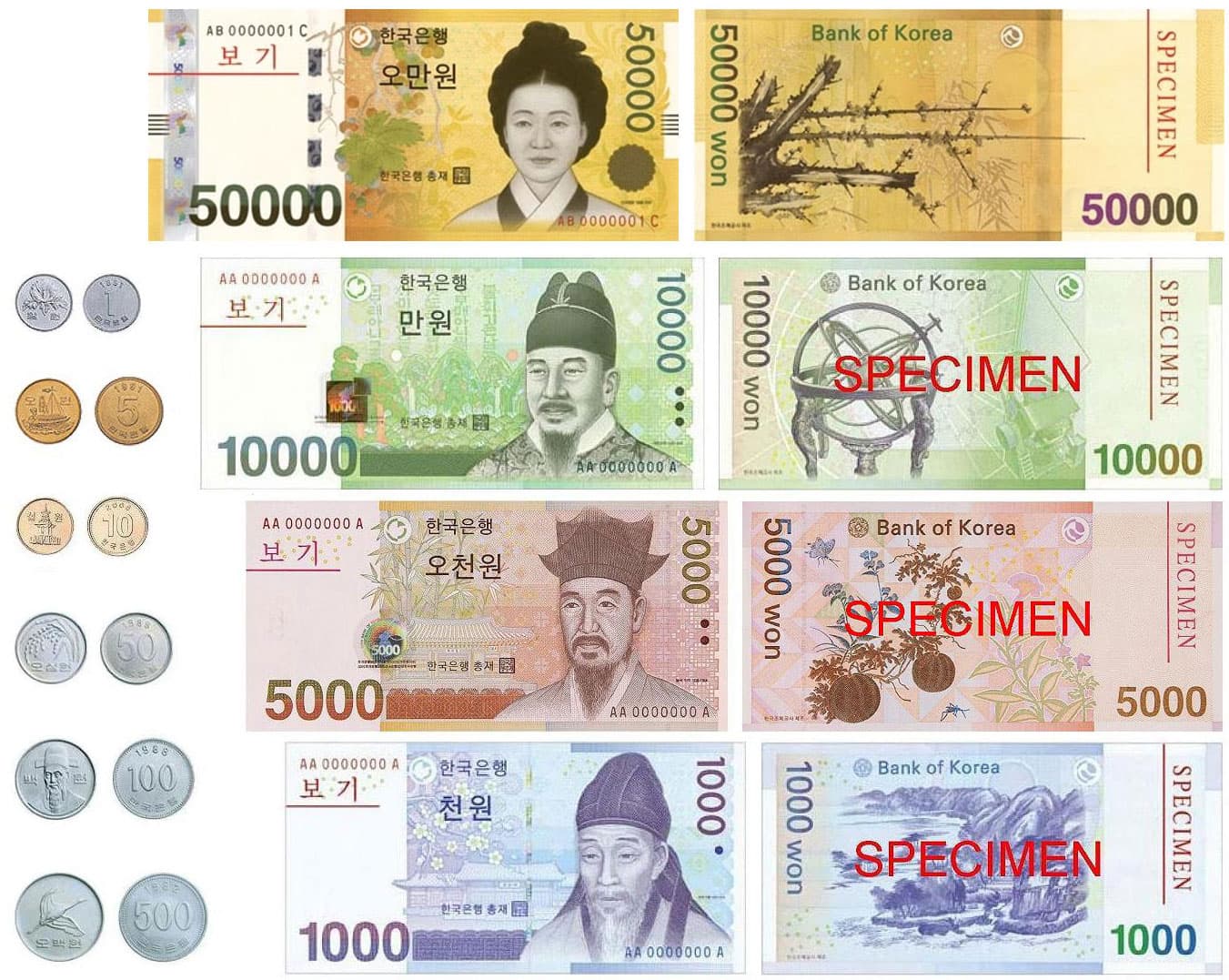
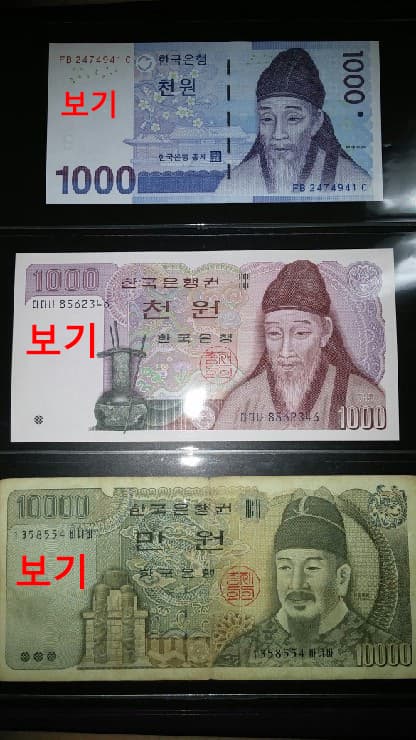
Why does this matter right now? The KRW/USD exchange rate touched 1,506 won at midnight on March 4 — breaking the psychological resistance level of 1,500 won for the first time since the 2009 global financial crisis, 17 years ago. The extreme dollar strength triggered by the Iran war is shaking the entire Korean economy simultaneously.
TL;DR
- At 12:20 AM on March 4, 2026, the KRW/USD rate surged to 1,506 won — breaching 1,500 won for the first time in about 17 years since March 2009
- Direct cause: Explosion in safe-haven dollar demand from the U.S.-Iran military clash + massive foreign sell-off of Korean equities
- Compounded by the KOSPI's record single-day drop of -7.24% the previous day — a complex financial shock scenario
- The government and Bank of Korea signal enhanced FX market monitoring and emergency verbal intervention
- Rising import prices → consumer price stimulus → interest rate dilemma now fully underway
1. The Facts: What Happened
At 12:20 AM KST on March 4, major domestic and international outlets including Reuters and Yonhap News simultaneously broke the story. The KRW/USD rate surged to 1,506 won in the offshore NDF market — breaching 1,500 won for the first time in approximately 17 years since March 2009.
The rate soon fell back below 1,500 won, but the symbolic significance of breaking a key psychological threshold sent a powerful warning signal to markets.
This surge came just hours after the KRW/USD rate stood at the mid-1,460s on March 3 — an additional jump of over 40 won in a matter of hours.
2. Accelerating Factors: Why Did It Rise So Fast?
🔥 Extreme Dollar Strength from the Iran-U.S. War
As the U.S. airstrike on Iran (launched February 28, Operation Epic Fury) pushed Middle East geopolitical risk to its peak, global investors poured into safe-haven assets — dollars, gold, and yen. The Dollar Index (DXY) surged sharply, dragging emerging market currencies lower across the board, with the Korean won showing particular vulnerability.
📉 Massive Foreign Outflows
Foreign investors net-sold over 5 trillion won on the KOSPI on March 3, resulting in a record-breaking 'Sell Korea' episode. In the FX market as well, concentrated demand for dollar conversion by foreigners deepened the won's supply shortage.
🛢️ Oil Price Surge & Import Price Shock
With Brent crude surging toward $100, demand for dollars needed to pay for oil imports increased further. Korea relies on the Middle East for over 70% of its crude oil imports, meaning the double headwind of oil prices and the exchange rate hit simultaneously.
📊 Bank of Korea Monetary Policy Dilemma
Raising rates to defend the exchange rate worsens domestic demand and household debt problems; cutting rates weakens the exchange rate further — a classic catch-22. Concerns about real interest rate inversion are also growing.
3. Context & Background: Why Does 1,500 Won Matter?
| Period | Exchange Rate Level | Background Event |
|---|---|---|
| 1997 Currency Crisis | Peak ~1,996 won | IMF bailout |
| March 2009 | ~1,570 won | Global financial crisis |
| October 2022 | 1,444 won | U.S. interest rate hike cycle |
| December 2024 | ~1,480 won | Domestic political instability |
| March 4, 2026 | 1,506 won (intraday) | Iran war · extreme dollar strength |
1,500 won is not just a number. The common market understanding is that once this level is breached, the vicious cycle of surging import prices → consumer price stimulus → falling real wages → domestic demand contraction begins to take hold.
4. Five Urgent Challenges: What Households, Businesses, and the Government Must Do Now
📌 Challenge 1 — Import & Living Price Measures (Households)
If won weakness persists, prices for imported food, raw materials, and energy will rise in a chain reaction. With the March consumer price increase already steep, a 1,500-won-plus exchange rate is projected to add an additional 0.5–1.0 percentage points of upward pressure on inflation. Households must prepare for sharp cost increases on dollar-denominated goods and payments (overseas direct purchases, airfare, overseas tuition).
📌 Challenge 2 — Foreign-Currency Debt Management (Businesses)
Companies with heavy foreign-currency borrowings urgently need to reassess FX hedging positions. In particular, manufacturers importing raw materials in dollars and small exporters with high dollar-payment ratios must immediately recalculate their FX exposure. Conversely, large corporations receiving dollar export revenues can capitalize on short-term FX gains.
📌 Challenge 3 — FX Market Intervention Timing (Government & Bank of Korea)
FX authorities are now at the point of considering actual market intervention beyond verbal intervention. Korea holds approximately $420 billion in foreign exchange reserves, making short-term defense feasible, but prolonged conflict in Iran could accelerate their depletion. Using FX swap lines and adjusting the National Pension Fund's hedge ratio are also being discussed.
📌 Challenge 4 — Redesigning the Rate Path (Bank of Korea)
A 1,500-won exchange rate forces the Bank of Korea to reconsider from scratch the rate-cutting path it had been contemplating for economic stimulus. With the dual goals of defending the exchange rate and supporting growth in conflict, the April Monetary Policy Committee meeting comes into sharper focus.
📌 Challenge 5 — Managing External Credibility (Government)
Surging exchange rates can further chill foreign investor sentiment. The government has been sending preemptive response messages through Emergency Economic Ministers' Meetings since the Iran war began, but it must clearly communicate to markets a concrete FX market stabilization plan and signals of fiscal soundness.
5. Outlook: Will the 1,500-Won Era Continue?
Near-term (1–2 weeks): The Iran war situation is the wildcard. If ceasefire prospects emerge or U.S. operations conclude early, the dollar could fall sharply with won recovery possible. Conversely, if the conflict is prolonged, the possibility of a further rise to 1,520–1,550 won cannot be ruled out.
Medium-term (1–3 months): The combination of continued global dollar strength, the U.S. Fed maintaining high rates, and Korea's growth slowdown means a 1,450–1,500 won range is likely to persist.
Risks: Misinformation (rumors of Iran war escalation or nuclear use), simultaneous Chinese yuan weakness, and renewed domestic political instability all present downside risks.
Checklist
Reference Links
- Yonhap News — KRW/USD rate briefly breaches 1,500 — first time since financial crisis (综合)
- Chosun Ilbo — KRW/USD rate briefly tops 1500 — first time since 2009 financial crisis
- Herald Economy — KRW/USD rate briefly breaks 1500 — first time since financial crisis
- Maeil Business — "May go to 1500 per dollar"… Won turns weak
- Reuters via Yonhap — KRW/USD briefly tops 1500 — first time since 2009
Image Credit
- 한국 원화 지폐 (1000원, 10000원), Ilbenalds1234, Wikimedia Commons (한국은행 허가)