'The Future of Daegu Has Been Butchered': Why the TK Integration Postponement Sparked a Civil War Within the PPP
On February 24, 2026, South Korea's National Assembly Legislation and Judiciary Committee passed the Gwangju–South Jeolla integration bill while placing only the Daegu–Gyeongbuk (TK) administrative integration special act on hold. As PPP party leadership and the Daegu City Council were identified as the cause, TK lawmakers launched a collective revolt against their own party leadership, triggering a deep internal crisis.
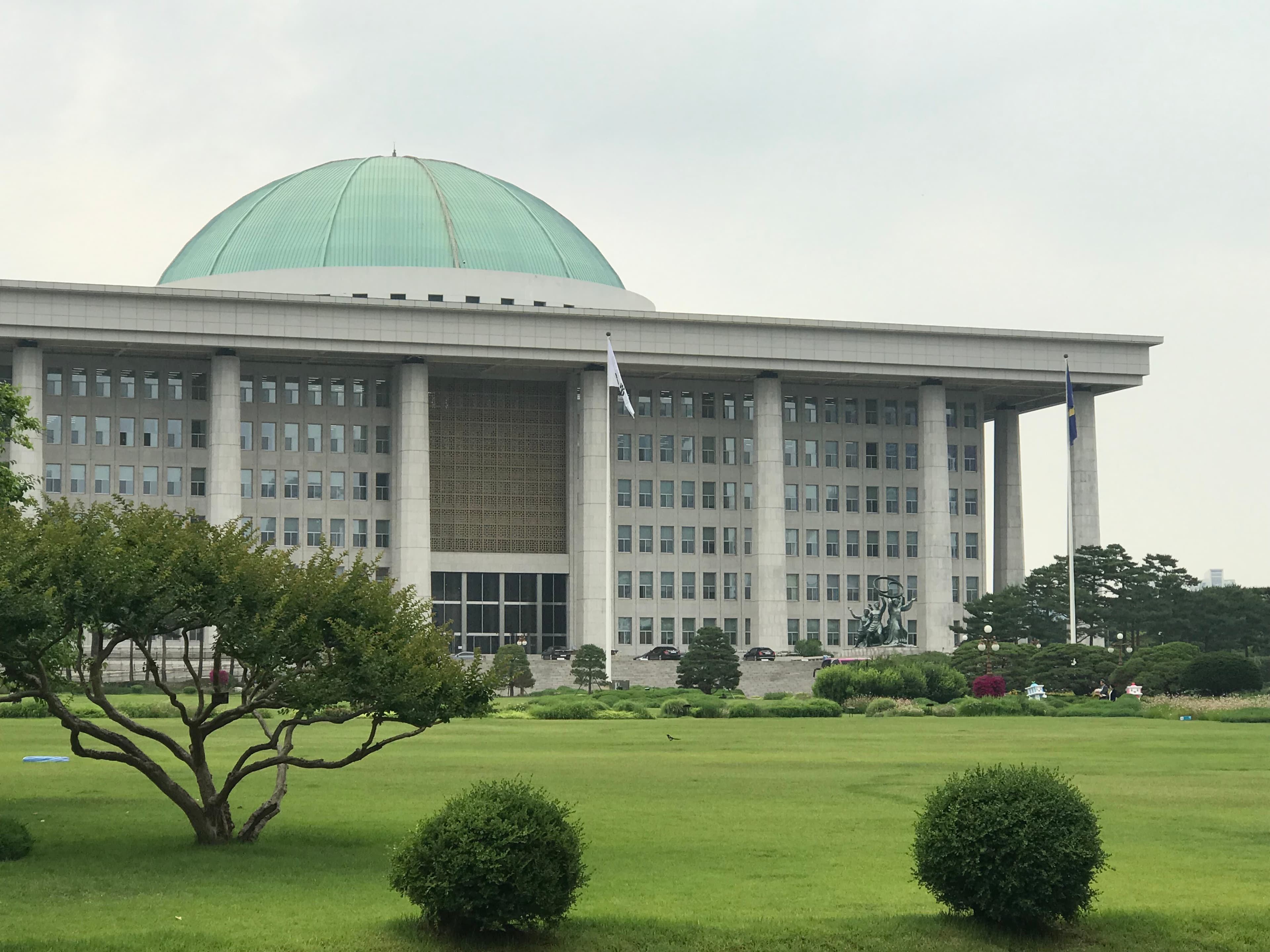
Why this matters now: On the same day, the Gwangju–South Jeolla integration bill passed — yet only the TK (Daegu–Gyeongbuk) integration bill was placed on hold. When it emerged that PPP party leadership was behind the decision, an internal 'civil war' broke out.
TL;DR
- On February 24, 2026, the National Assembly's Legislation and Judiciary Committee postponed the Daegu–Gyeongbuk administrative integration special act
- The Gwangju–South Jeolla integration bill passed on the same day → reverse discrimination controversy explodes
- PPP party leadership and the Daegu City Council opposition were cited as the cause of the hold
- TK-origin PPP lawmakers issued emergency statements: "Party leadership has betrayed us"
- Growing concern that PPP's grassroots support is fracturing ahead of the June 4 local elections
The Facts: What Happened
On February 24, 2026, the National Assembly's Legislation and Judiciary Committee reviewed three pairs of administrative integration special bills. The results were starkly divided:
- Gwangju–South Jeolla Integration Special Act → Passed committee review
- South Chungcheong–Daejeon Integration Special Act → Passed committee review
- Daegu–Gyeongbuk (TK) Integration Special Act → Placed on hold
The decision was made by Committee Chair Choo Mi-ae (Democratic Party of Korea). Chairwoman Choo excluded the TK, Daejeon, and South Chungcheong bills from a vote, citing the need to "hear more from local communities." However, opposition from PPP party leadership and the Daegu City Council was widely identified as the real reason for the hold.
The fact that the Daegu–Gyeongbuk integration bill — covering a region where the PPP holds the metropolitan governor seats — was blocked with the apparent backing of PPP leadership itself sent shockwaves through the political establishment.
Why It Escalated Into a 'Civil War'
"The Future of Daegu Has Been Butchered"
PPP floor leader Rep. Joo Ho-young (Daegu Suseong-gap) issued a sharp statement immediately after the hold:
"The future of Daegu and Gyeongbuk has been butchered."
PPP lawmakers from the Daegu region held an emergency meeting and issued a joint statement demanding that party leadership clearly designate the TK administrative integration special act as the top legislative priority.
On the same day, candidates for the Daegu mayoral and North Gyeongsang gubernatorial races also issued successive statements, calling the outcome "the result of granting special favors to Democratic Party regions."
Internal Blame Within the PPP
Heated internal exchanges along the lines of "Who voted against it?" and "Fine, I'll quit!" were reported by major broadcasters including MBC, bringing the PPP's internal conflict into the open. The rift deepened between TK lawmakers who supported integration and the party leadership and Daegu City Council members who expressed reservations.
Context and Background
Why Was TK Integration Necessary?
The Daegu–Gyeongbuk administrative integration is a structural reform proposal designed to counter regional population decline and economic stagnation caused by the over-concentration of resources in the greater Seoul area. The plan envisions merging the two metropolitan administrative zones into one to improve administrative efficiency and create a megacity of 6 million people capable of competing with the capital region.
The initiative gained momentum in 2026 with the government's announcement of administrative integration incentives, and TK was the very region that had first pioneered the integration movement.
The Reverse Discrimination Dynamic
Gwangju and South Jeolla are Democratic Party strongholds; TK is PPP territory. The outcome — in which the Gwangju–South Jeolla bill passed while only the TK bill was held — fueled outrage among TK voters who saw it as "benefits flowing only to pro-Democratic Party regions."
Outlook: A Time Bomb Until the Local Elections
| Variable | Details | Outlook |
|---|---|---|
| Reprocessing timeline | Feasibility in March extraordinary session | Requires decisive action from PPP leadership |
| Local election impact | June 4, 2026 local elections | Risk of TK voter defection |
| Democratic Party variable | Maintain hold or negotiate | Linked to judicial reform political landscape |
| Internal reconciliation | Mending rift between leadership and TK lawmakers | Public apology or re-promotion declaration needed |
Checklist: What to Watch Going Forward
Reference Links
- Daegu-Gyeongbuk Administrative Integration Bill Held... Daegu City, North Gyeongsang 'Stunned' (Gyeongbuk Maeil)
- TK Integration Special Act Held in National Assembly... Divided PPP Metropolitan Governor Candidates (News1)
- 'Daegu-Gyeongbuk Imbalance' Fears Push TK Integration to the Brink... PPP's Internal Strife in Its Own Heartland (Newspim)
Image source: National Assembly of South Korea, Wikimedia Commons (CC BY-SA 3.0)