Philippines Launches Safeguard Investigation into Ceramic Tiles: Rising Protectionism and Construction Market Uncertainty 🔍
The Philippine government has launched a safeguard investigation to prevent damage to its domestic industry caused by a surge in imported ceramic tiles. This analysis explores the background and potential impact on the construction market and global trade.

Philippines Launches Safeguard Investigation into Ceramic Tiles: Rising Protectionism and Construction Market Uncertainty 🔍
Hello, this is Seji, Senior Editor at SejiWork. As the global trade environment becomes increasingly complex, a notable macroeconomic shift has been detected in the Philippines, a key emerging market in Southeast Asia. The Philippine Department of Trade and Industry (DTI) has officially initiated a safeguard investigation into imported ceramic tiles. This move is expected to have significant ripple effects beyond simple import regulations, impacting global supply chains, raw material prices, and the export strategies of neighboring countries.
In today's post, we will analyze in depth why the Philippines has chosen to utilize the safeguard card at this time and what signals this decision sends to the domestic and international economies, based on data and logic.
1. Safeguard Investigation: Reading the Background and Rationale
The Philippine Department of Trade and Industry (DTI) recently launched an investigation based on the judgment that a surge in the volume of imported ceramic tiles is causing, or threatening to cause, 'serious injury' to domestic manufacturers. What we must note here is the difference between general anti-dumping regulations and safeguards.
The Decisive Difference Between Safeguards and Anti-dumping
- Anti-dumping: Individual regulations applied when a specific country or company exports at unfairly low prices.
- Safeguard: Comprehensive protective measures launched against the entire world when imports of a specific item surge and damage domestic industries, without targeting a specific country.
The Philippines' decision reflects a sense of crisis that the overall expansion of imported tiles' market share is threatening the survival of the domestic industry, rather than targeting a specific country like China. The Philippine tile manufacturing industry has suffered a double whammy of declining operating rates and worsening profitability due to the low-price offensive of imported products over the past few years.
2. Investigation Target and Period: Analyzing the Flow of Specific Data
This investigation is based on data from 2018 to 2022, and if necessary, latest indicators from 2023 will be included. The items subject to investigation are ceramic tiles mainly used for flooring and walls.
Critical Indicators
Changes in Market Share
The core issue is how sharply the market share of domestic tiles in the Philippine market has fallen compared to imports. In particular, the DTI will closely examine the current situation where imports, led by low prices, are dominating construction projects across the board.
Employment and Productivity
Whether domestic tile factories have closed or reduced staff is also an important metric. Since the collapse of the manufacturing sector leads to job insecurity, the government has no choice but to seek protective measures, even if only out of political necessity.
Differences in Stakeholder Positions
- Local Manufacturers: \"Facility investment is at risk of being suspended due to the indiscriminate influx of imported tiles. Immediate tariff imposition is necessary.\"
- Construction Companies and Developers: \"When a safeguard is triggered, cost increases are inevitable, which will eventually lead to higher housing prices and make it difficult for ordinary citizens to afford homes.\"
3. Impact on the Philippine Economy and Global Trade
The Philippines is currently pushing for the 'Build, Better, More' program, a large-scale infrastructure development project. In this situation, an increase in the price of tiles, a construction raw material, is a sensitive issue that can shake the cost structure of national strategic projects.
Diversification of Import Sources and Price Inflation
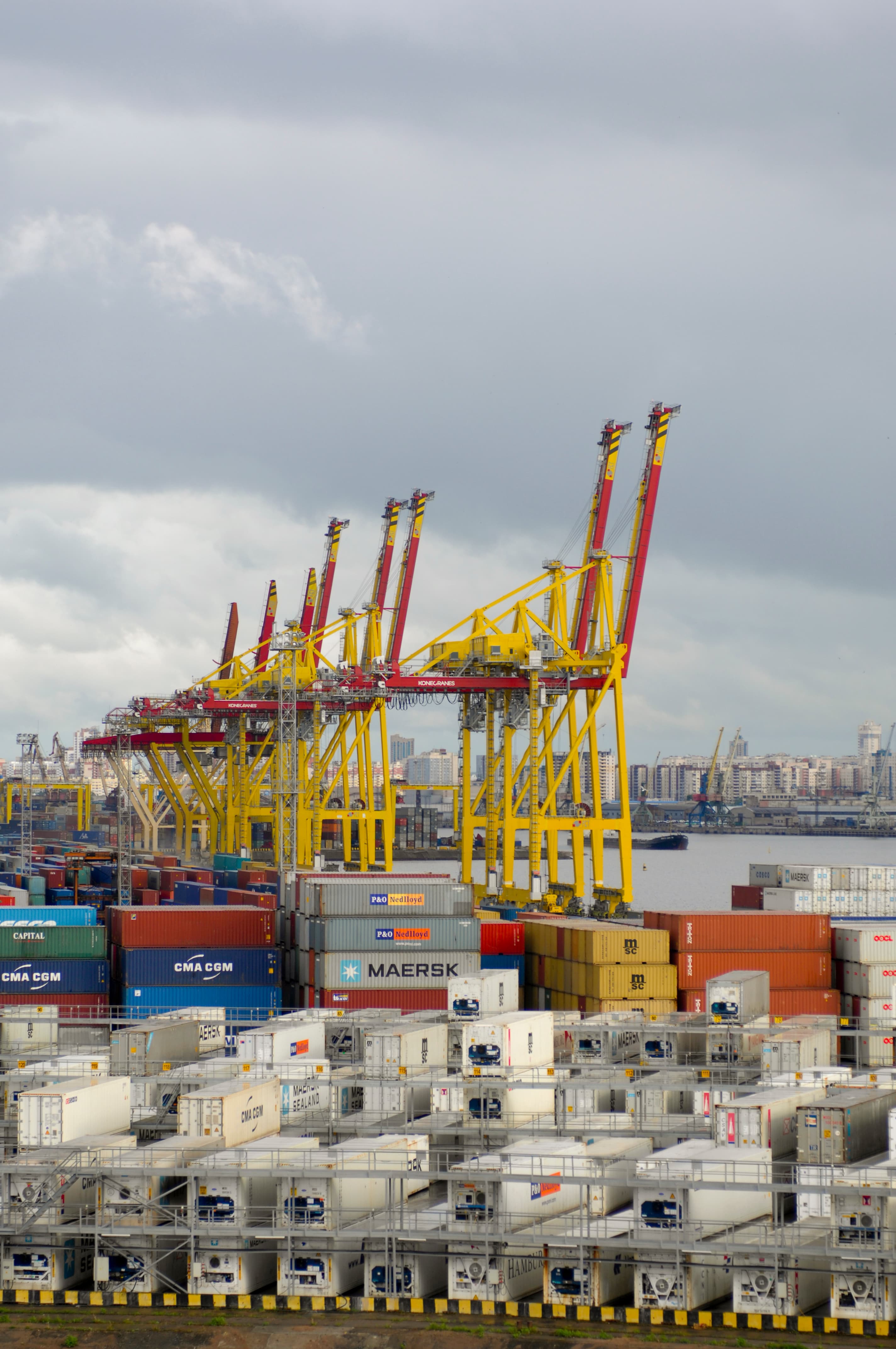
If high safeguard duties are confirmed through this investigation, major exporting countries such as China, Vietnam, and Indonesia, which have been exporting tiles to the Philippines, will be hit. Conversely, domestic prices in the Philippines will face upward pressure. This is likely to have a negative impact on the Philippines' inflation management.
Supply Chain Reorganization Scenarios
- Shifting Import Sources: Attempts to find other substitutes or countries with lower tariffs will increase.
- Expansion of Local Production: It cannot be ruled out that global companies will build production facilities directly in the Philippines to avoid regulations.
4. Comparative Analysis: The Two Faces of Safeguards
Economic policy always involves trade-offs. The same applies to safeguards.
Pros
- Protection of Domestic Industry: Provides a chance for survival to domestic manufacturers in crisis.
- Enhancing Technological Self-reliance: Secures time to reduce external dependence and improve the quality competitiveness of domestic products.
Cons
- Passing Costs to Consumers: Increased burden on final consumers (home buyers) due to rising construction costs.
- Potential for Trade Retaliation: The risk of counterpart countries taking reciprocal measures against Philippine exports.
5. Seji's Professional Insight: The Return of Protectionism?
From a macroeconomic perspective, the Philippine safeguard measure clearly demonstrates the 'sandwich crisis' that emerging markets are experiencing. It is a desperate measure to protect domestic basic industries amidst an offensive of low-cost imports caused by global supply chain overcapacity.
Investors and companies should now prepare for the possibility that similar measures will follow not only in the Philippines but throughout Southeast Asia. In particular, companies related to construction and building materials must include the variable of 'regulatory risk' in their portfolios in addition to simple price competitiveness.
6. Conclusion and Future Outlook
The Philippine DTI's ceramic tile safeguard investigation will be finalized after several months of detailed investigation. If provisional safeguard duties are applied immediately, the market will react instantly, which could lead to a short-term contraction in the Philippine construction market.
However, in the long run, it remains to be seen whether it will lead to structural improvements in Philippine domestic manufacturing or remain merely a shield that causes a decline in productivity. Economic entities must closely monitor these changes in trade barriers and establish flexible supply chain strategies.
I hope today's analysis has been helpful to your business and economic insight. This has been Seji, the Senior Editor of SejiWork. Thank you.","summary":"The Philippine government has launched a safeguard investigation to protect its domestic industry from a surge in imported ceramic tiles. This post provides an in-depth analysis of the background of this measure and its ripple effects on the construction market and global trade relations.","tags":["PhilippinesEconomy","Safeguard","CeramicTiles","Protectionism","ConstructionMaterials"],"category":"economy"}