The Hottest March 1st in 107 Years: 5 Questions the Gwanghwamun Pro- and Anti-Impeachment Rallies Pose to Korean Democracy
On March 1, 2026 — the 107th anniversary of Korea's March 1st Independence Movement — massive pro- and anti-impeachment rallies were held simultaneously around Gwanghwamun. The iconic site of independence has become the stage for an ongoing constitutional crisis, as Korean civil society once again made its voice heard.
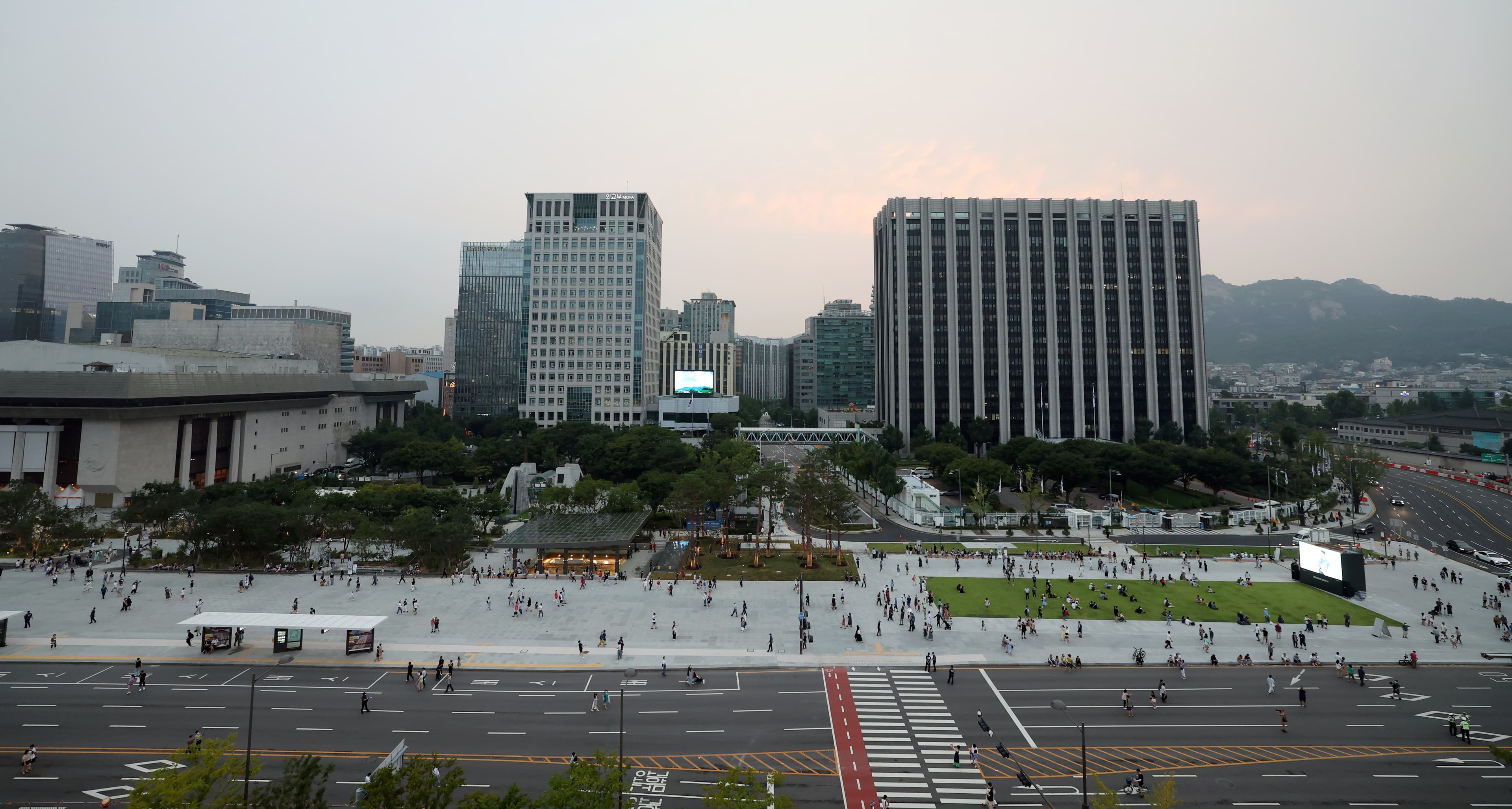
Why you should be watching: On March 1st, the largest pro- and anti-impeachment counter-rallies in Korean history took place. The clash between two crowds — each interpreting the spirit of the independence movement in their own way — is not merely a political event. It is a mirror reflecting the current state of Korean democracy.
TL;DR
- On March 1, 2026, the 107th anniversary of the March 1st Independence Movement, pro- and anti-impeachment rallies were held simultaneously around Gwanghwamun Square and Seoul City Hall
- The pro-impeachment side demanded punishment for "insurrection forces" and the defense of democracy; the anti-impeachment side called for invalidating the "unjust impeachment" and restoring the rule of law
- Police deployed more than 5,000 officers to prevent large-scale clashes
- The constitutional conflict, intertwined with the symbolic time and place of the independence movement anniversary, drew domestic and international attention
- Political disputes are expected to reignite following the rallies
The Facts: What Happened
March 1, 2026, marked the 107th anniversary of the 1919 March 1st Independence Movement. That day, pro-impeachment citizens gathered at Gwanghwamun Square and the surrounding Sejong-daero area in Seoul, demanding legal accountability for the incumbent or former president and calling for the defense of democracy. Simultaneously, a rally opposing and seeking to invalidate the impeachment was held nearby, producing the extraordinary scene of two groups facing off on the same street.
The pro-impeachment side rallied behind the slogan "Korean democracy lives only when the former president charged with insurrection is thoroughly punished," while the opposing side countered that "the Constitution is being undermined by politically biased investigations and rulings."
The Mechanism of Escalation: Why Did It Happen on March 1st?
March 1st is no ordinary public holiday. As a symbol of independence, resistance, and national self-determination, both camps tend to seek legitimacy for the claim that "we are the true heirs of the March 1st spirit." The repeated use of Gwanghwamun as the stage for every critical moment of impeachment politics since the 2016 candlelight protests follows the same logic.
In addition, recent court rulings on insurrection charges and the ruling party's push for judicial reform legislation have combined to produce an unprecedented level of mobilization.
Context and Background
Korea's presidential impeachment crisis repeated itself after 2016–2017. Amid ongoing legal battles over insurrection and abuse-of-power charges, the ruling and opposition parties are in a direct collision — the ruling party pushing "judicial independence" and the opposition demanding "reform of the politically weaponized prosecution." The March 1st rally can be read both as an annual expression of this conflict and as a barometer for the next phase of the political landscape.
Stakeholders
| Actor | Position |
|---|---|
| Pro-impeachment civic groups | Calling for prosecution of insurrection charges and the defense of democracy |
| Anti-impeachment groups | Demanding invalidation of the "unjust impeachment" and defense of the Constitution |
| National Police Agency | Preventing illegal clashes, maintaining neutrality |
| Political parties (ruling and opposition) | Interpreting and leveraging rally outcomes as indicators of public sentiment |
| Foreign media | Observing the maturity and stability of Korean democracy |
Outlook: How Long Will This Last?
- Short-term (1–3 days): Videos and photos from the rally spread on social media; political interpretation battles continue
- Medium-term (1–2 weeks): Announcements of follow-up rally schedules; possible reignition tied to upcoming court ruling dates
- Long-term: Repeated rallies expected until the final verdicts on impeachment and insurrection charges. Directly linked to the 2027 presidential election landscape
Risk Checklist
Reference Links
- Maeil Business News — Large-Scale Pro- and Anti-Impeachment Rallies on March 1st (preview report, Feb 26, 2026)
- JoongAng Ilbo — 2026 March 1st Special Coverage
- Google Trends Korea — Real-Time Trending Searches
Image Credit
- Gwanghwamun Square photo: Wikimedia Commons