Six at Once: 5 Reasons Korea's Record-Breaking Sweep at the 2026 Prix de Lausanne Is Writing a New Chapter in K-Classical Arts
In February 2026, six Korean students simultaneously won awards at Switzerland's Prix de Lausanne, setting an all-time record for Korean winners. Following Park Yun-jae's historic first male winner title in 2025, Korea swept the competition just one year later — K-Classical music's global dominance is now following in K-Pop's footsteps.
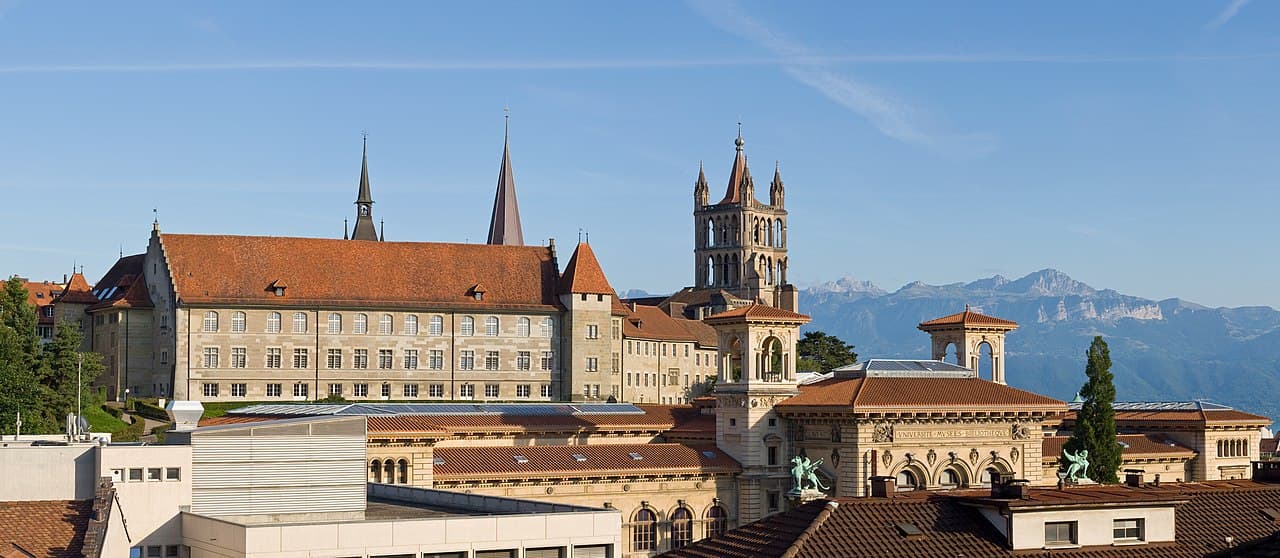
Why does this matter right now? Following K-Pop and K-Drama, K-Classical ballet has now conquered the world's most prestigious stage. The moment six Korean students simultaneously swept the 2026 Prix de Lausanne is not just another award story — it is a turning point at which Korea's arts education system is rewriting global standards.
TL;DR
- In February 2026, six Korean students won awards at Switzerland's Prix de Lausanne, setting an all-time record for Korean winners at the competition.
- Just one year after Park Yun-jae (Seoul Arts High School) became the first Korean male dancer to win in 2025, Korea followed up with a full group sweep.
- The Prix de Lausanne is known as the 'Nobel Prize of ballet', drawing applicants from over 70 countries worldwide.
- Korea's secret lies in the combination of specialized arts high schools — such as Seoul Arts High School and Korea Arts High School — and the Korean National Ballet Academy system.
- All six winners are now being courted by the world's top ballet companies, including the Paris Opéra Ballet, The Royal Ballet, and American Ballet Theatre.
🩰 What Is the 2026 Prix de Lausanne?
Prix de Lausanne is the world's most prestigious youth ballet competition, founded in 1973. Held every February in Lausanne, Switzerland, it is open only to dancers aged 15–18. Winners receive internships at leading ballet companies worldwide along with full scholarships.
| Item | Details |
|---|---|
| Founded | 1973 |
| Age requirement | 15–18 years old |
| 2026 participating countries | Approx. 70 countries |
| 2026 Korean winners | 6 (all-time record) |
| Notable past winners | Kang Sue-jin (1985), Park Yun-jae (2025) |
🎯 5 Reasons This Is Historic
1. From 'Individual' to 'Collective' — A System's Triumph
Kang Sue-jin's award in 1985 and Park Yun-jae's victory in 2025 were flashes of individual genius. Six simultaneous winners in 2026 is something different. This is not a triumph of individual talent, but of Korea's entire ballet education system. Specialized arts high schools such as Seoul Arts High School, Korea Arts High School, and Sunhwa Arts High School have built a systematic pipeline for identifying and nurturing young ballet prodigies from an early age.
2. After K-Pop, K-Classical Goes Global
As K-Pop took over the popular music market, global interest in Korean arts as a whole has surged. Korean dancers now testify that simply being from Korea has become a plus factor before auditions even begin. Brand Korea is making its mark on the ballet stage as well.
3. Switzerland's #1 Real-Time Search — Unexpected Impact
Immediately after the award news broke, Korean winners topped real-time search rankings on Swiss local social media. Lausanne is a city deeply engaged with ballet as the host city of the competition, but it is highly unusual for East Asian winners to generate this level of buzz.
4. The World's Ballet Companies Rush to Korea
Winning at the Prix de Lausanne is effectively a direct ticket to the world's top ballet companies. The Paris Opéra Ballet, The Royal Ballet, American Ballet Theatre (ABT), and Hamburg Ballet all hold contract negotiations with winners at the competition venue. All six of the 2026 winners are reportedly receiving love calls from multiple leading ballet companies around the world.
5. A New Card for Cultural Diplomacy
At a moment when Korea's cultural image has been shaken by certain controversies, achievements in classical arts like ballet simultaneously demonstrate the refinement and diversity of Korean culture. The government and Korean Cultural Centers around the world are expected to leverage this success as a new card in cultural diplomacy.
📊 Korea's History of Conquering Lausanne
| Year | Winner(s) | Significance |
|---|---|---|
| 1985 | Kang Sue-jin | First Korean winner ever |
| 2000s | Sporadic wins | Individual talent-driven |
| 2025 | Park Yun-jae | First Korean male dancer to win the top prize |
| 2026 | 6 simultaneous winners | All-time record for Korean winners |
🔮 Outlook: Is This Sustainable?
Longevity estimate: Long-term — This achievement is not a one-time event. Korea's arts high school system consistently produces applicants of similar caliber each year, making it highly likely that Korea's dominance at the Prix de Lausanne will continue. That said, Asian rivals such as China and Japan are rapidly upgrading their own systems, so how long Korea's reign will last remains to be seen.
Checklist
References
- Prix de Lausanne Official Site
- JoongAng Ilbo: 16-year-old Park Yun-jae wins Prix de Lausanne — Korea's first male ballet winner (2025)
- Korea.net: 16-year-old Park Yun-jae wins Prix de Lausanne
Image Credits
- Lausanne panorama: Wikimedia Commons — LausannePano.jpg, CC BY-SA 3.0, Christian Mehlführer