164 For, 87 Against: Why the Passage of Kang Seon-woo's Arrest Warrant Motion Is Shaking 'Parliamentary Immunity' and Nomination Politics
The motion to arrest independent lawmaker Kang Seon-woo, accused of receiving ₩100 million in nomination bribes, passed the National Assembly plenary session on February 24, 2026, with 164 votes in favor. With more than 30 members of the Democratic Party casting yes votes, the result stands as a landmark moment where the debate over parliamentary immunity collided with public demands to eradicate nomination corruption.
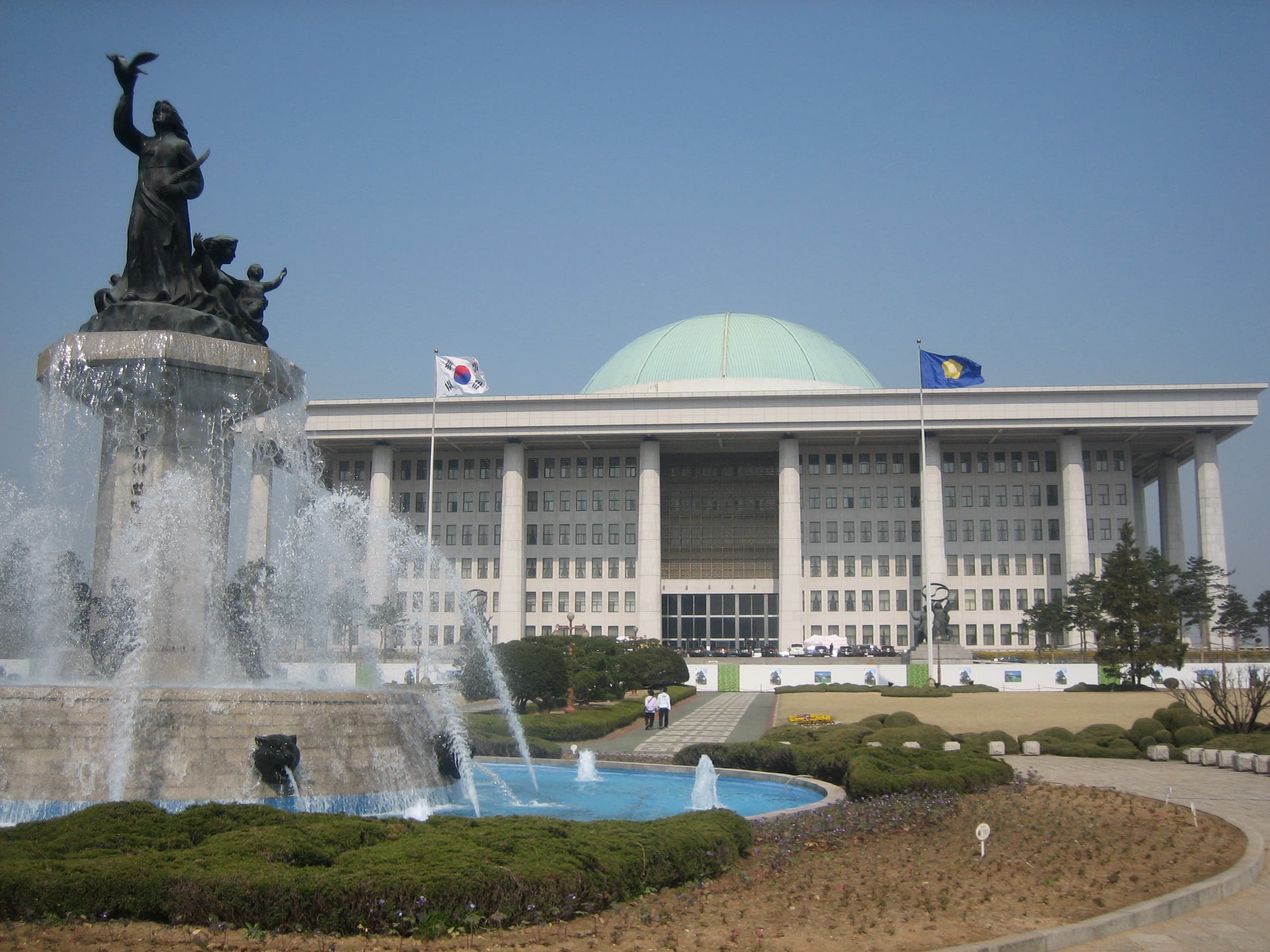
Why you need to read this now: The day a sitting lawmaker had to seek fellow legislators' consent for arrest over an alleged ₩100 million nomination deal — the line between political trust and parliamentary immunity was redrawn.
TL;DR
- Independent lawmaker Kang Seon-woo (former Democratic Party of Korea), arrest warrant requested over alleged ₩100 million in nomination bribes received in January 2022
- On the afternoon of February 24, 2026, the National Assembly plenary voted 164 in favor, 87 against — the motion passed
- The Democratic Party allowed a free vote, with more than 30 members casting yes votes
- In a personal statement before the vote, Rep. Kang declared "My political career is not worth ₩100 million" and denied all charges
- The next step is a pre-detention hearing (warrant review)
The Facts: What Happened
The Core Allegation
Rep. Kang Seon-woo (currently independent, formerly Democratic Party of Korea) is accused of receiving ₩100 million in cash on January 7, 2022, at a hotel in Yongsan-gu, Seoul, from former Seoul City Councilmember Kim Kyeong — as payment for securing a nomination for the Gangseo-gu district in the 8th nationwide local elections.
Prosecutors filed simultaneous arrest warrants for both Rep. Kang and former Councilmember Kim on February 9, 2026. The Ministry of Justice submitted the arrest consent motion to the National Assembly on February 12, and it was reported to the plenary on the same day.
Vote Results
| Category | Count |
|---|---|
| Total votes cast | 263 |
| In favor | 164 |
| Against | 87 |
| Abstained | 3 |
| Invalid | 9 |
An arrest consent motion passes when a majority of seated members (149) are present and a majority of those present vote in favor. This vote passed by a wide margin above the threshold.
Rep. Kang's Personal Statement
Just before the vote, Rep. Kang requested the floor for a personal statement, denying all charges and arguing there was no risk of flight — saying his political career was not worth ₩100 million. Nevertheless, the motion passed.
Why This Story Spread: Three Reasons It Caught Attention
Nomination corruption is a recurring and sensitive keyword in Korean politics. This case drew particular attention for three reasons.
- A former ruling-party lawmaker: Rep. Kang came from the Democratic Party, and the allegation that a ruling-party member accepted money in exchange for a nomination carries major political fallout.
- Democratic Party free vote: While ruling parties typically tend to protect their colleagues, more than 30 members voted in favor this time. The leadership's decision to allow a free vote was itself an unusual signal.
- The parliamentary immunity debate: The constitutional provision shielding sitting lawmakers from arrest during a session without the National Assembly's consent has long been controversial. This outcome is widely interpreted as a reflection of public opinion demanding that such privileges be relinquished.
Context and Background: The Structure of Nomination Corruption
Korea's nomination process has long been characterized by a centralized party leadership structure. Because the authority to determine district candidates is concentrated in party leadership, money-driven transactions around nominations have surfaced repeatedly.
- Multiple institutional reforms have been attempted since the 2004 nomination bribe scandal, but structural incentives remain.
- The two suspects named in the prosecutors' arrest warrant request are Rep. Kang (the recipient) and former city councilmember Kim Kyeong (the payor). A former party secretary-general who allegedly acted as broker and intermediary is also reported to be under investigation.
- Rep. Kang left the Democratic Party after the incident and currently sits as an independent.
What Comes Next
Following the passage of the arrest consent motion, the procedure is as follows:
- Pre-detention hearing: A judge at the Seoul Central District Court reviews whether detention of Rep. Kang is warranted
- Detention decision: If the court issues the warrant, the investigation proceeds under detention; if rejected, it continues without detention
- Loss of parliamentary seat: Detention effectively makes it impossible to carry out legislative duties, and a final guilty verdict would result in the loss of the seat
Political circles are paying close attention to whether this outcome reignites the debate over nomination reform legislation. However, reforming the nomination system is a complex issue where both ruling and opposition parties have entangled interests, making progress difficult.
Key Checklist
Reference Links
- [Hankyoreh: [Breaking] Kang Seon-woo, accused of receiving ₩100M nomination bribe, arrest consent motion passes](https://www.hani.co.kr/arti/politics/politics_general/1246315.html)
- Yonhap News: Arrest consent motion for Kang Seon-woo ('₩100M nomination bribe') voted on in today's plenary session
- Chosun Ilbo: Kang Seon-woo arrest consent motion passes
- EToday: Kang Seon-woo arrest consent motion passes plenary session
Image Credit
- National Assembly of Korea: Wikimedia Commons, CC BY-SA 3.0