"One Year Apart" Determines Punishment: The Debate Over Lowering Korea's Juvenile Crime Age from 14 to 13 — and Why the Human Rights Commission Objects
President Lee Jae-myung announced he will reach a decision within two months on lowering the age of criminal non-responsibility from 14 to 13. The National Human Rights Commission of Korea issued a statement of opposition, while legal scholars and civil society argue that 'harsher punishment ≠ less crime.'
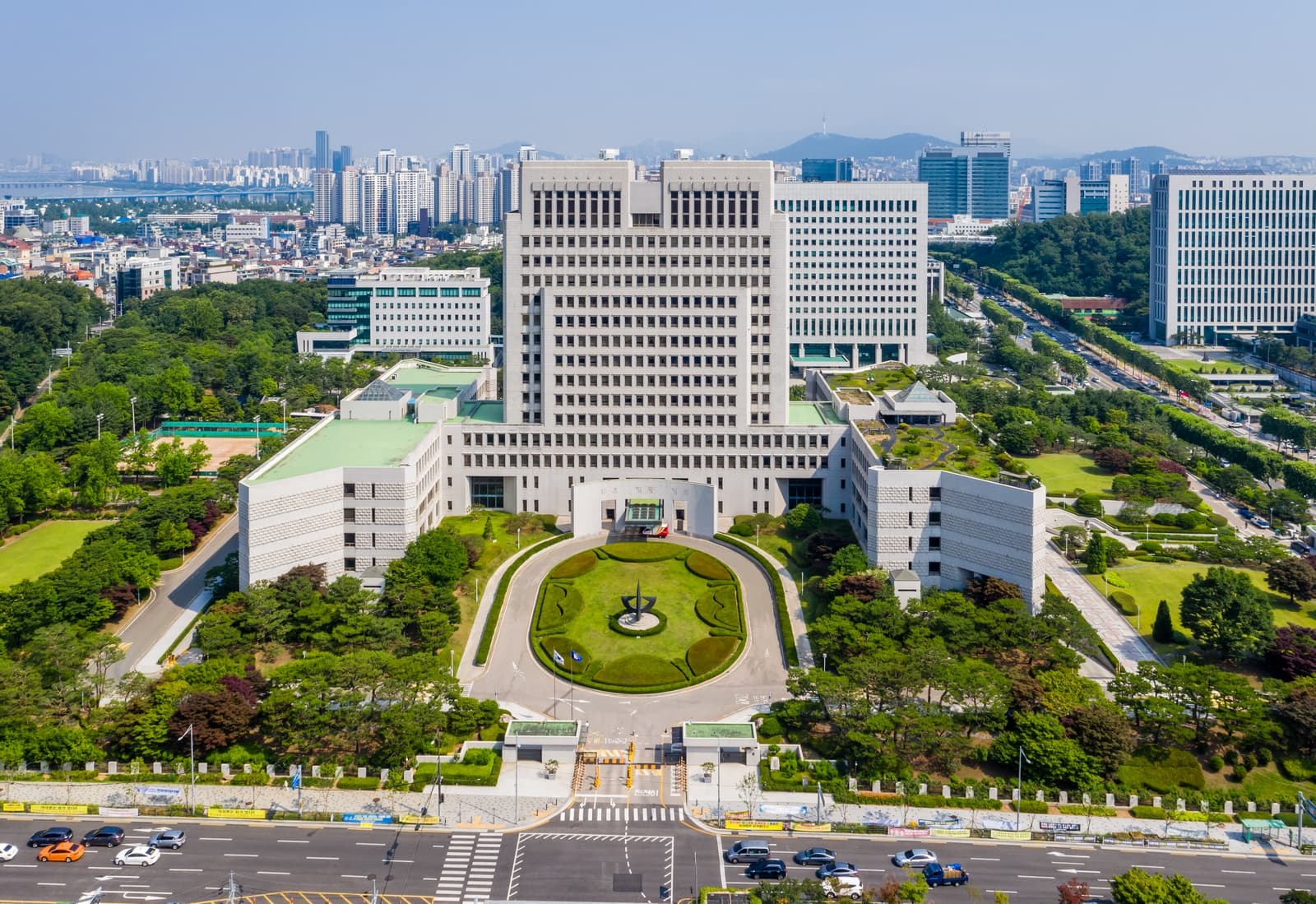
Why you should read this now: A single statement from President Lee Jae-myung is shaking a 73-year-old juvenile justice system. With even the Human Rights Commission pushing back, this debate reaches its conclusion in April 2026.
TL;DR
- President Lee Jae-myung, at the February 24, 2026 Cabinet meeting, ordered public deliberation on lowering the age of criminal non-responsibility (from 14 → 13)
- Claimed "an overwhelming majority of citizens support the change" and announced a conclusion within two months
- The National Human Rights Commission of Korea began preparing a statement of opposition on February 26
- Legal scholars & civil society: "Harsher punishment ≠ fewer repeat offenses" — calling for rehabilitation- and education-centered approaches
- Up to 1.8 million minors estimated to be affected if the Juvenile Act is amended
The Facts: What Happened
On February 24, 2026, President Lee Jae-myung received a briefing from Vice Minister of Justice Lee Jin-su at a Cabinet meeting on a proposal to lower the age of criminal non-responsibility from 14 to 13. The President remarked, "It's a matter of deciding — 13, 12, or 11," stated that "an overwhelming majority of citizens support lowering the age," and declared he would reach a conclusion in two months.
Two days later, on February 26, the National Human Rights Commission of Korea voted to pass an emergency agenda item resolving to issue a statement opposing the proposal. The Commission argued that "the juvenile criminal non-responsibility system is grounded in the constitutional principle that criminal minors are subjects of protection and education — not punishment."
What is Criminal Non-Responsibility for Juveniles?
| Category | Details |
|---|---|
| Definition | Criminal minors — ages 10 to under 14 — cannot face criminal prosecution even if they commit a crime |
| Current disposition | Protective measures under the Juvenile Act (youth detention, community service, mandatory counseling, etc.) |
| Criminal record | None (because it is not criminal punishment) |
| Core of the debate | Public sentiment that 13-year-olds who commit serious crimes are escaping punishment |
Why It's Trending Now
1) Repeated Coverage of Violent Crimes
Over the past several years, cases of gang assaults, sex crimes, and robberies committed by middle schoolers have been repeatedly reported alongside the framing that "they can't be punished because they're juvenile offenders." In particular, the viral spread on social media of phrases like "I'm a juvenile offender, you can't touch me!" has fueled public outrage at the system.
2) President Lee Jae-myung's 'Public Opinion Politics'
President Lee, backed by a 67% approval rating, has shown a political style highly responsive to majority public opinion. Following his intervention in consumer prices and deployment of the Fair Trade Commission, this statement on juvenile offenders is a continuation of the public deliberation → rapid policy shift pattern.
3) 97 Days Before the June 3 Local Elections
With the June 3, 2026 local elections approaching, public safety and livelihood issues are rising to the fore. Toughening juvenile crime policy is a rare issue that garners support across both conservative and progressive lines.
Context & Background: The Case For and Against
🔵 In Favor of Lowering the Age
- 2023 Gallup poll: 77% of Koreans said the age should be lowered
- Over the past five years, serious juvenile crimes (murder, robbery, sexual violence) have increased at an average annual rate of 12%
- Victims' perspective: "The perpetrator goes back to school without punishment, just because they're a middle schooler"
- Ministry of Justice draft: applying age 13 — lower than Japan (14) and Germany (14)
🔴 Against Lowering the Age (Human Rights Commission & Civil Society)
- "Harsher punishment = fewer repeat offenses" is unsupported: Multiple studies from the US, UK, and elsewhere show that harsher punishment actually increases recidivism
- Incomplete brain development: At 13, the prefrontal cortex (impulse control and judgment) has not yet fully developed
- Stigma effect: Criminal prosecution and a record can hinder social reintegration and reinforce antisocial behavior
- Absence of investment in education: Lowering the age alone is not a solution when current juvenile detention and probation infrastructure and staffing are already insufficient
- Human Rights Commission: "Assigning criminal responsibility at the moral development level of 12–13-year-olds violates international human rights standards (UN Convention on the Rights of the Child)"
Outlook: Scenarios After an April Decision
President Lee has signaled a "conclusion within two months." A policy decision before the June 3 local elections appears likely.
| Scenario | Likelihood | Impact |
|---|---|---|
| Push for legislation lowering age to 13 | Medium | Juvenile Act amendment; expected increase in juvenile detention population |
| Lower age to 13 + strengthen education in parallel | High | Compromise designed to placate Human Rights Commission opposition |
| Keep age, strengthen dispositions | Low | Expand types and duration of protective measures |
| Prolonged deliberation | Low | Risk of fizzling out after the local elections |
Secondary Issues & Derivative Debates
- Expansion into full Juvenile Act overhaul: Beyond age reduction, issues like abolishing "absolute indeterminate sentences" and strengthening victim testimony rights
- School violence perpetrators facing university admissions penalties: Same-day reports that "99% of school violence perpetrators are rejected by major Seoul universities" — an overall societal trend toward harsher punishment for juvenile crime and misconduct
- International comparison: The UN Convention on the Rights of the Child (CRC) recommends a minimum age of criminal responsibility of at least 12 — if Korea lowers it to 13, it would sit at the very bottom of international standards
- Ministry of Justice budget concerns: If the juvenile detention population rises, facility expansion funding must accompany the change, yet no plan exists
Risk Checklist
Reference Links
- President Lee Jae-myung: "Juvenile crime age to be decided in two months" — EBS News
- Human Rights Commission to issue opposition statement on President's juvenile age-lowering discussion — Hankyoreh
- President Lee Jae-myung: "Juvenile crime age to be decided in two months" — Dong-A Ilbo
- Human Rights Commission to issue statement opposing juvenile age-lowering discussion — Yonhap News
Image Credit
- Supreme Court of Korea (2020) — Wikimedia Commons (CC BY 4.0 / Seoul Institute)