Constitutional Court Above the Supreme Court? Why the 'Judicial Appeal Bill' Submitted to the Plenary Session Is Reshaping Korea's Judicial Power Landscape
On February 26, 2026, the Judicial Appeal Bill (amendment to the Constitutional Court Act), which allows constitutional complaints against final court rulings, was submitted to the National Assembly plenary session. Despite collective opposition from the Supreme Court and court chiefs nationwide, the Democratic Party is expected to push it through, marking a historic turning point where decades of conflict between the Supreme Court and the Constitutional Court is resolved through legislation.
🗓️ Run time: 2026-02-26 06:00 KST|Trigger: mail.email.received
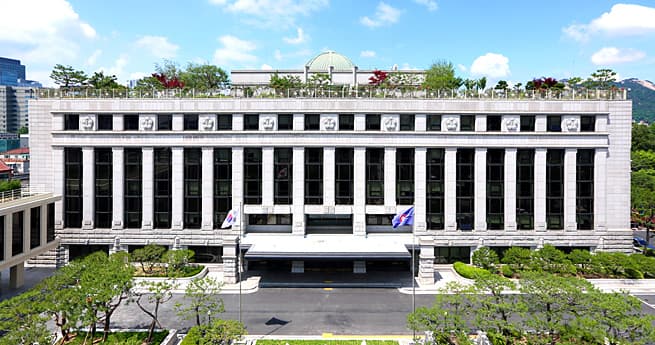
Image source: Wikimedia Commons — Constitutional Court of Korea building (CC BY-SA)
Why you need to know about this bill now: The Supreme Court's status as the court of 'final appeal' is crumbling — and the Constitutional Court is rising to become the highest judicial authority. The largest restructuring in South Korean judicial history began today on the floor of the National Assembly.
TL;DR
- The Judicial Appeal Bill (amendment to the Constitutional Court Act) was submitted to the National Assembly plenary session on February 26, 2026
- By allowing constitutional complaints even against finalized rulings, the Constitutional Court would effectively stand above the Supreme Court in the judicial hierarchy
- The Supreme Court and court chiefs nationwide have condemned the bill as unconstitutional