"Made to Stand for an Hour, Then Screamed Out the Door": 5 Questions the Jeju Famous Gomtang Restaurant's Female Customer Discrimination Controversy Poses to Gender Equality in Korea's Food Industry
Claims spread on social media that a famous gomtang restaurant in Jeju refused female customers citing the superstition that 'having a woman as the first customer brings bad luck,' sparking widespread outrage. The owner denied the allegations as 'baseless,' but a flood of similar testimonies turned the incident into a broader public debate over discriminatory service practices in Korea's food industry.
Why you should read this: A controversy ignited by a single restaurant has brought deeply rooted discriminatory practices across Korea's entire food service industry into the spotlight.
TL;DR
- On February 25, 2026, a woman identified as Ms. A, visiting Jeju, posted about a gender discrimination experience at a well-known gomtang (beef bone soup) restaurant on social media.
- Similar testimonies poured in: "Having a woman as the first customer brings bad luck," "Female customers must tie their hair before entering," and "Groups of women were turned away."
- The owner strongly denied the claims, saying they were "baseless — likely a distortion of stories from when my mother ran the place years ago."
- The incident went beyond a simple 'difficult owner' controversy, sparking a wider societal debate about gender-based discriminatory practices operating within Korea's food service and consumer culture.
The Facts: What Happened
On February 25, 2026, Ms. A, who was visiting Jeju, shared the following experience on her social media:
"I was wearing a backless dress, and the elderly owner clicked her tongue and said, 'What kind of outfit is that?' Even while I was eating, she grumbled — 'Your hair is flying around,' 'Who eats rice mixed into their soup?' After paying, when I took out my makeup to touch up my lips, she cursed at me."
The post received an explosion of sympathetic comments. Multiple visitors described an unspoken set of "rules" they had encountered:
| Rule | Description |
|---|---|
| No female first customer | Women arriving first were made to wait an hour or denied entry outright |
| Dress code enforcement | Female customers required to tie their hair before entering |
| Behavioral restrictions | Female customers prohibited from using mobile phones during meals |
| Women-only groups turned away | Groups consisting entirely of women were refused service |
| Differential treatment | Women were shouted at and kicked out, while male customers were greeted with "enjoy your meal" |
Many visitors also noted: "They told me the ingredients had run out, but then seated the men who were standing behind me."
The Owner's Position: "Baseless — That's an Old Story"
As the controversy grew, the restaurant owner pushed back in interviews with media outlets including Newsis.
- Current situation: "We serve all customers equally regardless of gender or age, including solo diners."
- Past context: "It seems stories from when my mother (grandmother) ran the restaurant years ago have been distorted and spread out of context."
- Management change: The restaurant had been closed for a period before reopening, and is now primarily operated by the owner's son and daughter-in-law.
However, recent visitor reviews paint a more nuanced picture. One netizen noted: "The son and daughter-in-law were quite kind, but the grandmother still only asked the male customers 'Is it good?' — that part hadn't changed."
How It Spread: Why Did It Blow Up Now?
Several factors explain why this incident escalated beyond a single unpleasant experience into a national issue.
- Jeju's status as a tourist destination: Jeju Island attracts concentrated numbers of domestic and international tourists. The wider the gap between expectations of a popular local restaurant and the actual experience, the greater the outrage.
- Explosion of social media testimony: Dozens of similar personal experiences poured into the comments on Ms. A's post, transforming one person's complaint into recognition of a "structural pattern."
- Heightened gender sensitivity: The societal context of increased awareness around gender-based discrimination in restaurants and service industries played a significant role.
- Coming right after the Starbucks incident: Just days earlier, a viral controversy over a customer being scolded for making an additional order within 38 seconds at Starbucks had already heated up the debate around customer service — and then another service discrimination controversy erupted.
Legal Issues: Does a Restaurant Have the Right to Choose Its Customers?
The controversy also raises interesting legal questions.
- The National Human Rights Commission Act and the Equal Employment Opportunity Act prohibit gender discrimination in workplaces, but these laws primarily apply to employment relationships.
- The Consumer Protection Act and anti-discrimination in service use provisions contain a "gray zone" — there is no explicit prohibition on refusing service based on gender.
- The Special Act on the Establishment of Jeju Special Self-Governing Province and the Development of Free International City also lacks punitive provisions for service discrimination.
- In practice, the only meaningful deterrents remain informal channels: consumer boycotts, review bombing, and Fair Trade Commission complaints.
Outlook: How Long Will This Controversy Last?
Risks: The facts cannot be verified between the owner's 'baseless' claim and the numerous testimonies. Potential defamation risk toward the specific restaurant. Concerns about side effects of internet vigilantism (review bombing).
The significance of this incident extends far beyond a single restaurant. It is symbolic in that it has brought into public discourse the fact that gender-based service discrimination — dress code enforcement, entry refusal, differential treatment — continues to operate quietly across Korea's food service industry even in 2026.
5 Key Questions
- Can a superstition about "bad luck" serve as a defense for discrimination? — How far can service refusal based on folk custom be permitted?
- Is the owner's "that was the past" explanation sufficient? — Can an ongoing controversy be deflected as ancient history when the grandmother is still involved?
- Is a safe consumer environment for female travelers guaranteed? — The potential ripple effects on Jeju's tourism industry.
- Is social media exposure justice, or cyber vigilantism? — The light and shadow of unverified exposés and review bombing.
- Is it time to legislate against consumer discrimination in the food service industry? — The moment for institutional discussion to fill the gaps in current law.
Reference Links
- Money Today — 'No female first customer, tie your hair before entering!'
- Dong-A Ilbo / Newsis — Owner says 'baseless' on 'no female first customers'
- Herald Economy — 'No female first customer! Tie your hair, no phones'
- YTN — Screamed women out, welcomed men?
- Edaily — Told women 'get out,' told men 'enjoy your meal'
Image Credit
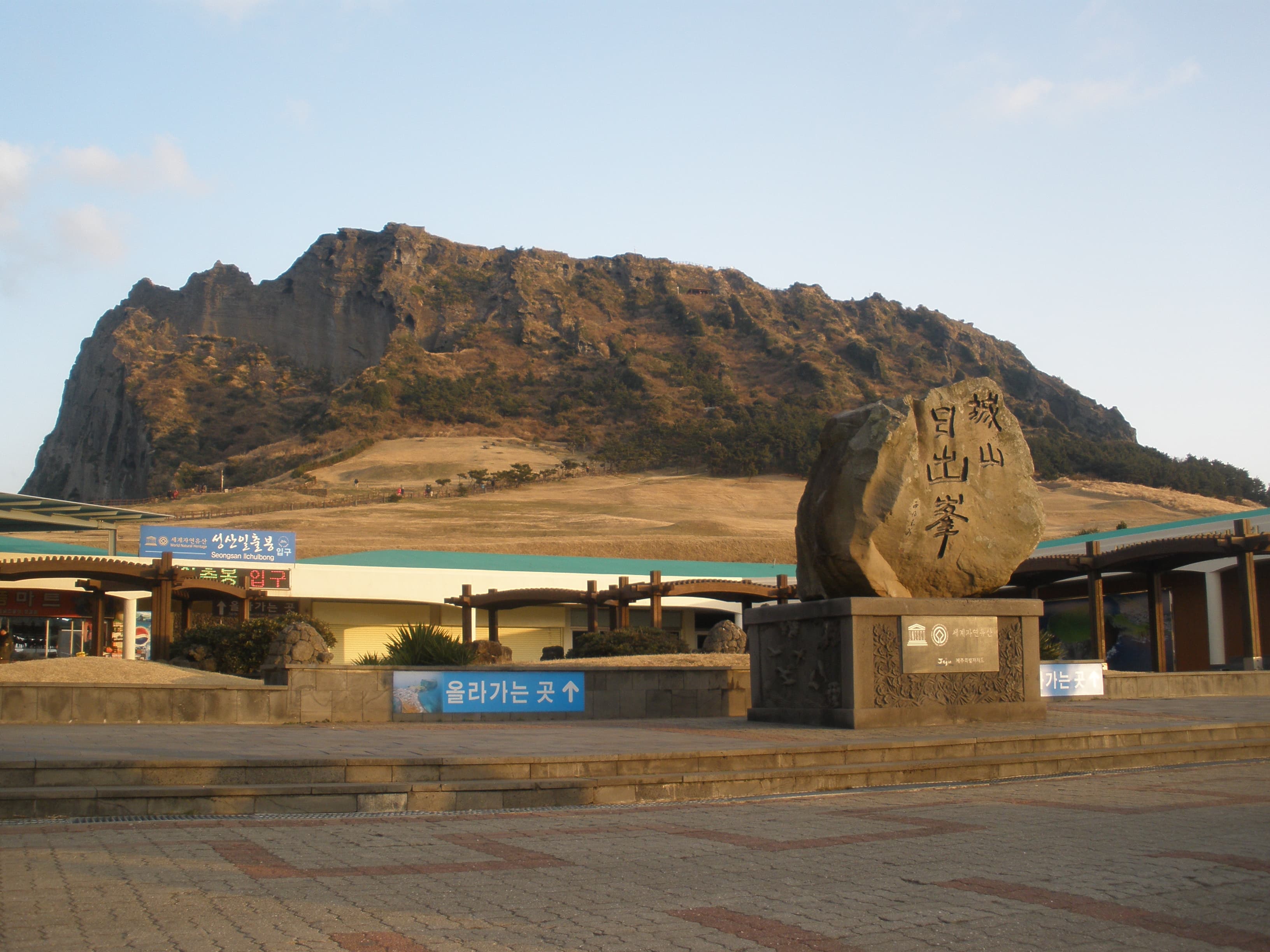
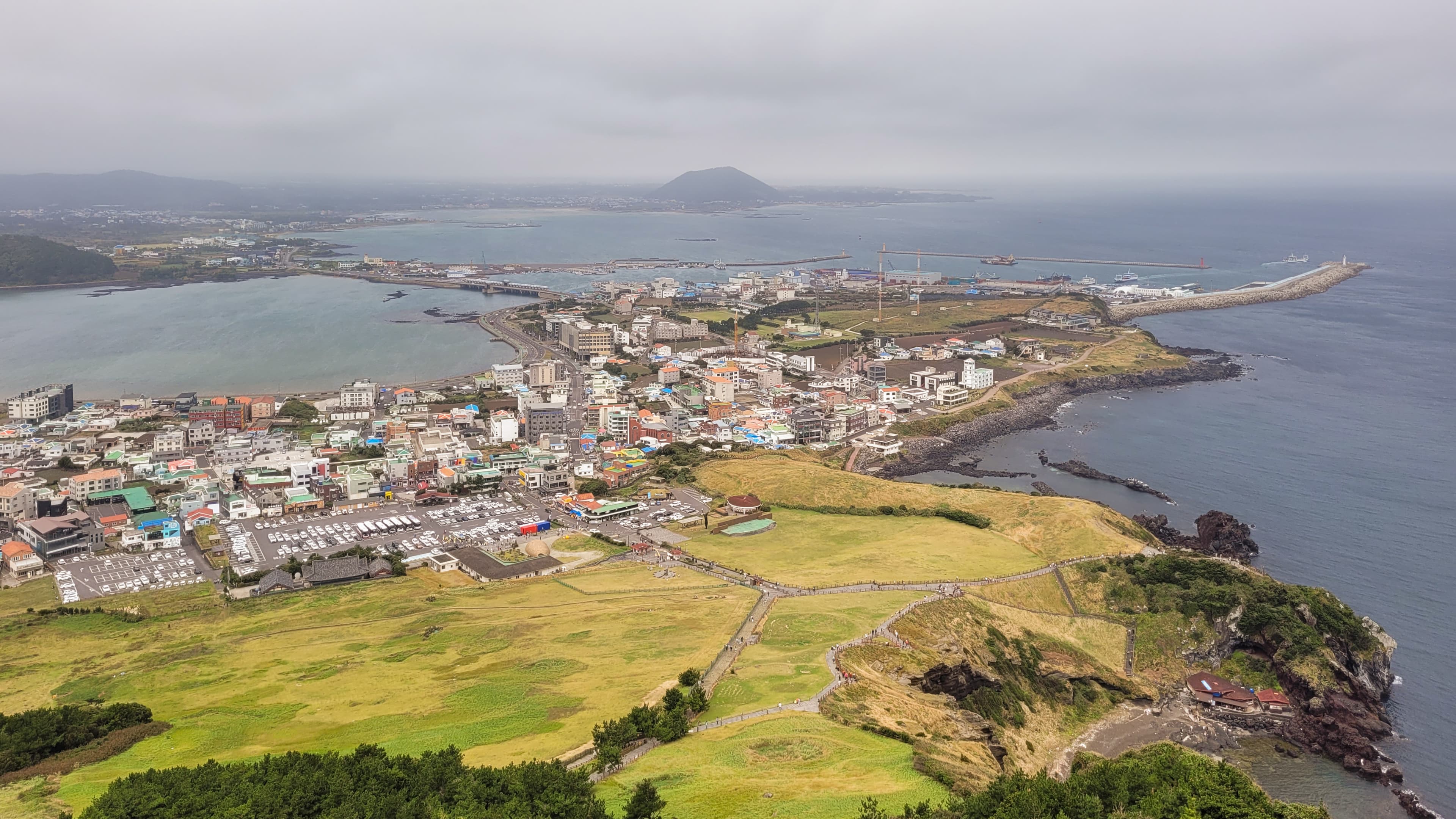
- Jeju Seongsan view from Ilchulbong: Wikimedia Commons — Seongsan, Jeju Island (CC0 / Bernard Gagnon)
⚠️ Risk Notice: At this point in time, confirmed facts and unverified claims are intermingled regarding the specific restaurant named. The allegations have been reported by multiple media outlets, but the owner denies them as 'baseless.' Readers are advised to rely only on confirmed facts when visiting or leaving reviews for the restaurant in question.