The Cry of 800: 5 Meanings of Gyeonggi Province's 107th March 1st Ceremony 'Wholly Independence, Certainly Peace' in Suwon
Gyeonggi Province will hold the 107th March 1st Independence Movement Ceremony at Gyeonggi Arts Center Grand Theater in Suwon on March 1, 2026, under the theme 'Wholly Independence, Certainly Peace, Finally Prosperity!' Special programs include a recitation of the Muoh Independence Declaration — the earliest Korean declaration of independence — and a 3.1km Peace Run.
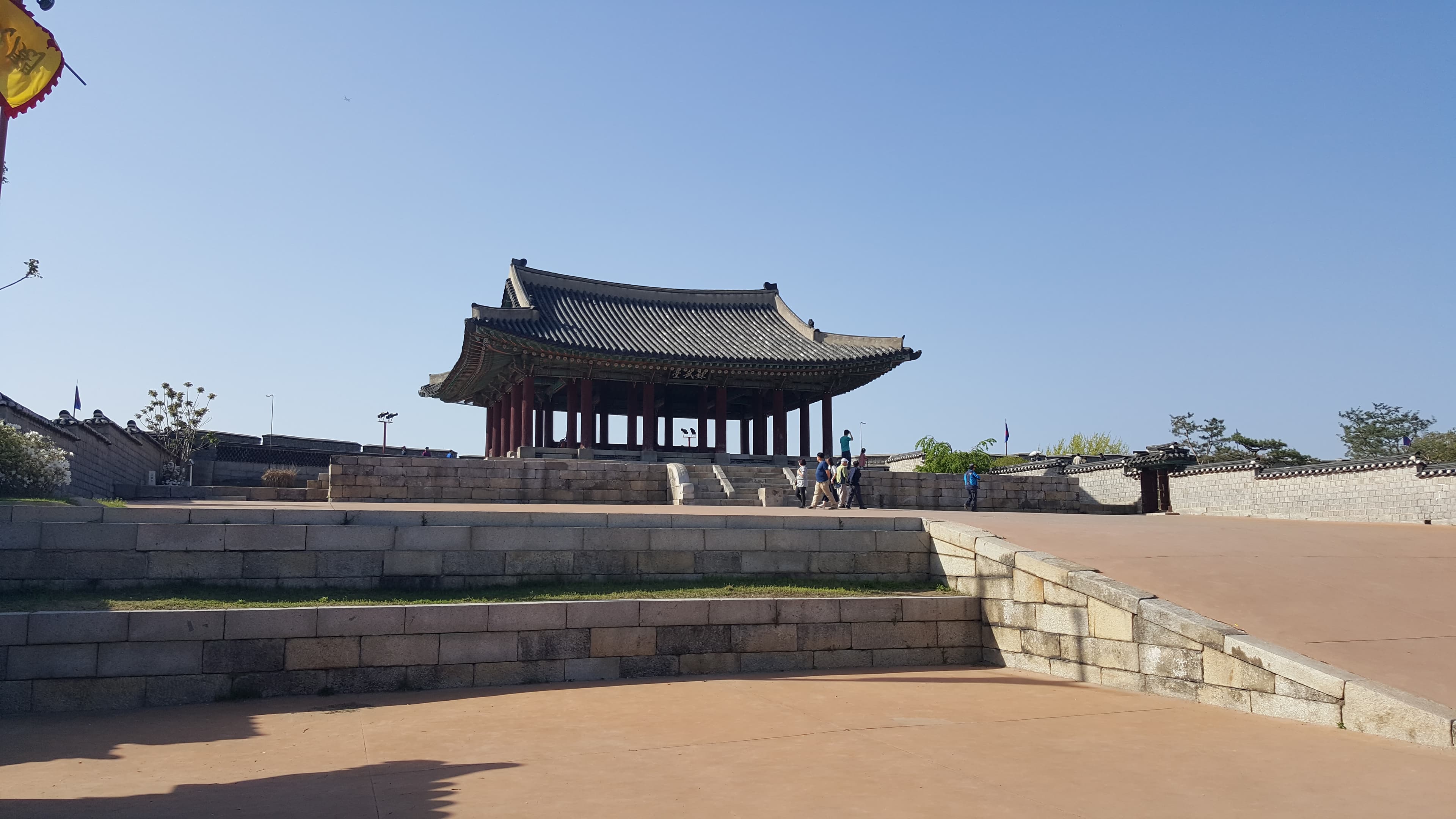
Why should you pay attention now? The cry of independence that rang out 107 years ago will echo once again on March 1, 2026, at the Gyeonggi Arts Center in Suwon. This is no ordinary commemoration — the ceremony expands the meaning of the March 1st Movement into the present and future through the recitation of the earliest independence declaration, a 3.1km Peace Run, and a new slogan centered on 'prosperity.'
TL;DR
- Gyeonggi Province's 107th March 1st Independence Movement Ceremony will be held at Gyeonggi Arts Center Grand Theater, Suwon at 11 AM on March 1, 2026.
- Theme: 'Wholly Independence, Certainly Peace, Finally Prosperity!' — the first time all three values of independence, peace, and prosperity have been explicitly stated together.
- Descendants of independence patriots will recite the Muoh Independence Declaration (대한무오독립선언서) — the earliest Korean declaration of independence, predating the more widely known Gimi Declaration.
- A 3.1km 'Peace Run' from Suwon Hyunchung Tower to Gyeonggi Arts Center will be held, with citizen messengers including descendants of independence patriots.
- Approximately 800 attendees expected, including the Korea Liberation Association Gyeonggi Branch, city and county liberation associations, and veterans' organization heads.
The Facts: What Is Happening
Gyeonggi Province officially announced on February 27, 2026, that the 107th March 1st Independence Movement Ceremony will be held at Gyeonggi Arts Center Grand Theater in Suwon at 11 AM on March 1. The official theme for this year's ceremony is 'Wholly Independence, Certainly Peace, Finally Prosperity!'
The event consists of three main components:
- 3.1st Peace Run — A 3.1km marathon from Suwon Hyunchung Tower to Gyeonggi Arts Center plaza held before the ceremony. Citizen messengers, including descendants of independence patriots, will run together.
- Recitation of the Muoh Independence Declaration — The 'Declaration of Korean (Muoh) Independence,' the earliest declaration of independence predating the Gimi Declaration of March 1, 1919, was proclaimed in Manchuria in February 1919. Descendants of independence patriot Shin Suk — Shin Hyeon-gil — and descendants of Kim Yeon-bang — Kim Ju-yong — will recite it in person.
- Main Ceremony — Approximately 800 attendees including the Korea Liberation Association Gyeonggi Branch, city and county liberation associations, veterans' organization heads, and Peace Run participants.
Why This Ceremony Is Drawing More Attention Now
1. 'Prosperity' Appears in a Slogan for the First Time
Until last year, March 1st slogans primarily emphasized the dichotomy of independence and peace. This year's Gyeonggi Province ceremony theme — 'Wholly Independence, Certainly Peace, Finally Prosperity!' — explicitly includes prosperity (繁榮). This is an official declaration that the spirit of the March 1st Movement connects from past resistance to present-day economic and social development. It is interpreted as a frame shift reflecting Korea's national confidence in 2026, including the KOSPI breaking 6,300 and K-content exports reaching a record $14 billion.
2. Recitation of the 'Earliest Independence Declaration' — Predating the Gimi Declaration
The independence declaration most commonly known is the Gimi Independence Declaration, proclaimed at Tapgol Park in Seoul on March 1, 1919. However, the Muoh Independence Declaration (Declaration of Korean Independence) being recited at this year's Gyeonggi ceremony is the earliest Korean declaration of independence, proclaimed in Manchuria in February 1919 — preceding the Gimi Declaration. Signed by 39 independence fighters including Yi Sang-seol, Park Eun-sik, Shin Suk, and Kim Yeon-bang, this declaration has received relatively less attention in historical education. The fact that its descendants will recite it in person makes the occasion historically significant.
3. Gyeonggi Province's Status as the Metropolitan Area's Core March 1st Event
Alongside the Seoul Bosingak bell-ringing ceremony and the Seodaemun Prison ceremony, the Gyeonggi Province ceremony is one of the three pillars of metropolitan area March 1st events. In particular, an event held in Gyeonggi Province — home to Suwon Hwaseong (a UNESCO World Heritage Site) — carries special symbolic weight, combining the history of the independence movement with regional identity.
4. The 'Peace Run' as a Cross-Generational Connection Strategy
The 3.1km Peace Run held before the ceremony is not a mere performance. It conveys historical continuity through experience, with descendants of independence patriots and ordinary citizens running together. In concert with younger generations' consumption of independence movement content from 2024–2025 (AI recreations of independence fighters, webtoons and dramas about the independence movement), it is an attempt to make the ceremony more accessible.
5. President Lee Jae-myung's March 1st Address + Southeast Asia Tour Launching Simultaneously
President Lee Jae-myung will deliver a March 1st address and then depart for Singapore on the same day, beginning a 3-night 4-day state visit to Southeast Asia (Singapore and the Philippines). With the 107th Independence Day coinciding with a tour focused on AI, nuclear energy, and defense cooperation, the narrative of 'independence spirit → prosperity diplomacy' connects naturally. The overlap of the current president's Independence Day with a diplomatic schedule carries significant symbolic weight.
Context and Background: Why 107 Years Matters
The March 1st Movement was a nonviolent independence movement that occurred on March 1, 1919, during the Japanese colonial period. With over 2 million participants at more than 1,500 locations nationwide, it was the largest national movement in Korean history. The movement was the direct catalyst for the establishment of the Provisional Government of the Republic of Korea (April 1919), and later influenced independence movements across Asia, including India's nonviolent movement.
The significance of the number 107: The year 2026, marking the 107th anniversary after the 100th anniversary in 2019, is a moment when the March 1st Movement is reinterpreted not merely as an object of commemoration but as a value that continues into the present. This year's slogan — adding 'prosperity' — symbolizes that very turning point.
Outlook: The Ripple Effects of This Event
| Item | Content |
|---|---|
| Short-term Impact | Large crowds gathering in and around Suwon on the eve of and during March 1st; influx of tourists around Hwaseong Haenggung Palace |
| Historical Education | Rising public awareness of the Muoh Independence Declaration; renewed spotlight on independence movement figures beyond standard textbooks |
| Political Implications | Strengthening of the Lee Jae-myung administration's 'independence → prosperity' narrative; symbolic linkage with overseas diplomatic tour |
| Long-term Trend | Acceleration of Gyeonggi Province's role as a hub for independence movement-related content and tourism |
Checklist: What to Know Before Attending
Reference Links
- Gyeonggi Province to Hold 107th March 1st Ceremony at Gyeonggi Arts Center Grand Theater — News1
- March 1st Ceremony at Gyeonggi Arts Center…Liberation Association Branches and 800+ to Attend — Daum
- 'Wholly Independence, Certainly Peace, Finally Prosperity!'…Gyeonggi Province Holds March 1st Ceremony at Gyeonggi Arts Center — Daum
Image Credits
- Suwon Hwaseong Fortress Poru panorama: Wikimedia Commons, Korea-Suwon-Hwaseong Fortress, CC BY-SA 3.0