Analysis: The Fed's Approval of Fulton Financial's Acquisition — A Signal for Regional Banking Consolidation and Financial Stability
The U.S. Federal Reserve has officially approved Fulton Financial Corporation's acquisition of Republic First Bank. This analysis examines the background and legal basis of the approval, and the macroeconomic ripple effects it will have on the restructuring of America's regional banking sector.
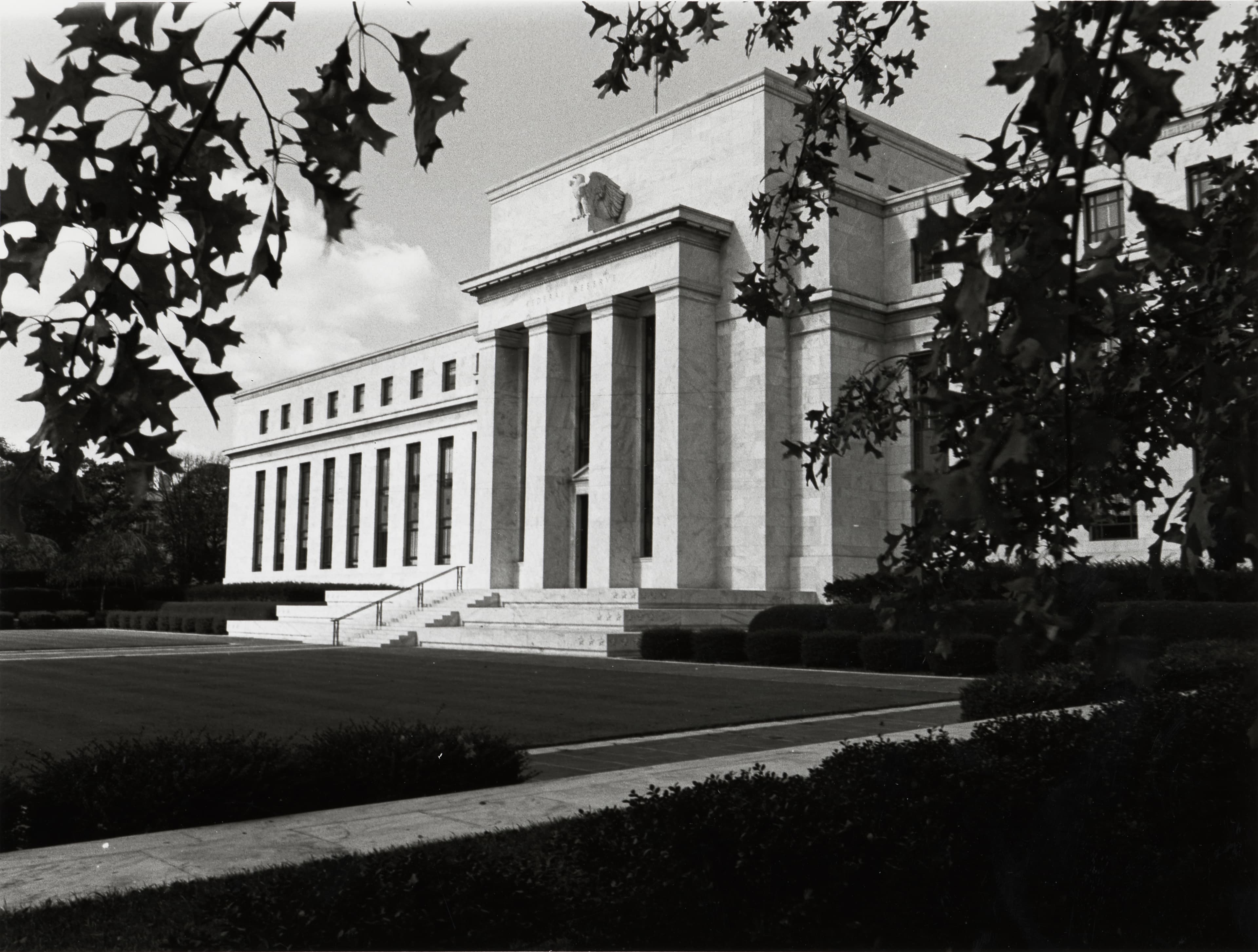
Analysis: The Fed's Approval of Fulton Financial's Acquisition — A Signal for Regional Banking Consolidation and Financial Stability
Hello, I'm Seji, Senior Editor at SejiWork. The global financial markets have been grappling with the prolonged high-interest-rate environment and the resulting strain on the financial health of small and mid-sized regional banks. Against this backdrop, the announcement made in May 2024 by the Federal Reserve Board approving Fulton Financial Corporation's acquisition of Republic First Bank carries significance far beyond a simple corporate merger.
Today, we will take an in-depth look at the macroeconomic context of this Fed approval, the future strategy Fulton Financial is charting, and what it means for investors.
1. The Closure of Republic First Bank and the FDIC's Emergency Intervention
The story began with the closure of Republic First Bank, a Philadelphia-based institution. Following the failures of Silicon Valley Bank (SVB) and Signature Bank in 2023, small and mid-sized U.S. banks have been under persistent liquidity pressure and declining asset values. Republic First Bank was no exception — deteriorating profitability and a failed capital raise ultimately led regulators to order it to cease operations.
The Federal Deposit Insurance Corporation (FDIC) swiftly initiated a sale via the "Purchase and Assumption" (P&A) method to minimize disruption to the financial system. The white knight that stepped in was Fulton Financial, headquartered in Lancaster, Pennsylvania. The Fed's approval served as the critical legal and institutional capstone to this emergency rescue operation.
1.1 Legal Basis and Criteria for the Fed's Approval
The Federal Reserve Board reviewed this application under Section 3 of the Bank Holding Company Act. The following key factors were considered during the approval process.
- Capital and Managerial Resources: Does Fulton Financial maintain sufficient capital adequacy to absorb the assets and liabilities of the acquired institution?
- Future Earnings Prospects: Can the combined bank build a sustainable long-term revenue model after integration?
- Financial System Stability: Does this acquisition reduce overall risk to the U.S. financial system, or does it instead create systemic risk through the excessive expansion of a single institution?
- Public Interest and Community Benefit: Can existing Republic First Bank customers continue to access financial services without interruption?
The Fed determined that Fulton Financial's management metrics and acquisition plan met these rigorous standards, which ultimately served as an opportunity to send the market a message of "stability."
2. Fulton Financial's Strategic Territorial Expansion
For Fulton Financial, this acquisition was a golden growth opportunity found in the midst of crisis. By absorbing approximately $6 billion in Republic First Bank assets and $4 billion in deposits, Fulton instantly solidified its position as a mid-tier bank.
2.1 Expanding Key Market Share
Republic First Bank had a strong branch network in the Philadelphia metro area, New Jersey, and parts of New York. Through this acquisition, Fulton Financial significantly expanded its number of branches in these regions, widening its customer touchpoints.
Key Expansion Markets
- Philadelphia, Pennsylvania: Securing loan and deposit market share in the heart of the regional economy.
- New Jersey and New York: Strengthening penetration into areas dense with high-net-worth individuals and small-to-medium-sized enterprises.
2.2 Changes in Asset Structure and Synergy Effects
Fulton plans to restructure Republic First Bank's loan portfolio and reduce overlapping operating costs to achieve economies of scale. In particular, securing low-cost deposits will play a pivotal role in defending the bank's net interest margin (NIM) during a period of rising interest rates.
3. Risk Factors and Challenges: The Other Side of Growth
Not every acquisition guarantees a rosy future. The challenges Fulton Financial faces are far from trivial.
3.1 Integration Costs and Cultural Clash
Integrating the IT systems of two different banks and unifying human resource management will generate enormous tangible and intangible costs. In particular, the risk of unexpected hidden bad debt coming to light during the process of sorting through the acquired bank's distressed assets cannot be ruled out.
3.2 Persistence of the High-Interest-Rate Environment
The current high-interest-rate environment intensifies deposit outflow pressure and suppresses loan demand. If a large proportion of the assets Fulton acquired consists of fixed-rate loans, the bank could experience a decline in profitability as funding costs rise.
Note
Regional banks in the United States carry a high concentration of commercial real estate (CRE) loans, making related risk management a key indicator of future management performance.
4. Comparative Analysis: Ordinary M&A vs. Distressed Bank Acquisition
Fulton's acquisition of Republic First Bank differs in nature from a typical strategic merger and acquisition.
- Ordinary M&A: The acquirer pays a premium and targets long-term synergies.
- Distressed Bank Acquisition (P&A): Under FDIC support, liabilities and assets are assumed at a discount or on favorable terms. Depositor protection is the top priority.
Fulton likely entered into a loss-sharing agreement with the FDIC in this deal, which acts as a safety net against the large-scale losses that could occur in the early stages of the acquisition.
5. Expert Insight: The Era of 'Survival of the Fittest' in U.S. Banking
This reflects the Fed's intent to curb excessive concentration of financial power while nurturing regionally rooted mid-tier banks to strengthen the backbone of the financial system. Investors should now pay attention not simply to "the biggest bank," but to "banks with proven crisis management capabilities that efficiently integrate assets."
Going forward, the U.S. banking industry will likely show a distinct polarization: the dominance of top-tier banks, the rise of capable mid-tier banks, and the inevitable decline of smaller banks that have lost their competitive edge.
6. Conclusion
The Fed's approval of Fulton Financial's acquisition of Republic First Bank is a case that confirmed the resilience of the financial system in an unstable environment. Through this opportunity, Fulton has laid the groundwork to rise as a dominant force in regional finance, but translating this into actual profitability will require a thorough post-merger integration (PMI) process.
The ability to read macroeconomic trends ultimately begins with capturing subtle policy changes and corporate movements. The trajectory of Fulton's progress — and the benchmark it may set for other regional banks — is something well worth monitoring going forward.
This has been Seji, Senior Editor at SejiWork. I look forward to bringing you even deeper analysis next time.