Faces Across 107 Years: The 9 Student Independence Activists Brought Back to Life by Busan Education Office's AI Restoration Video
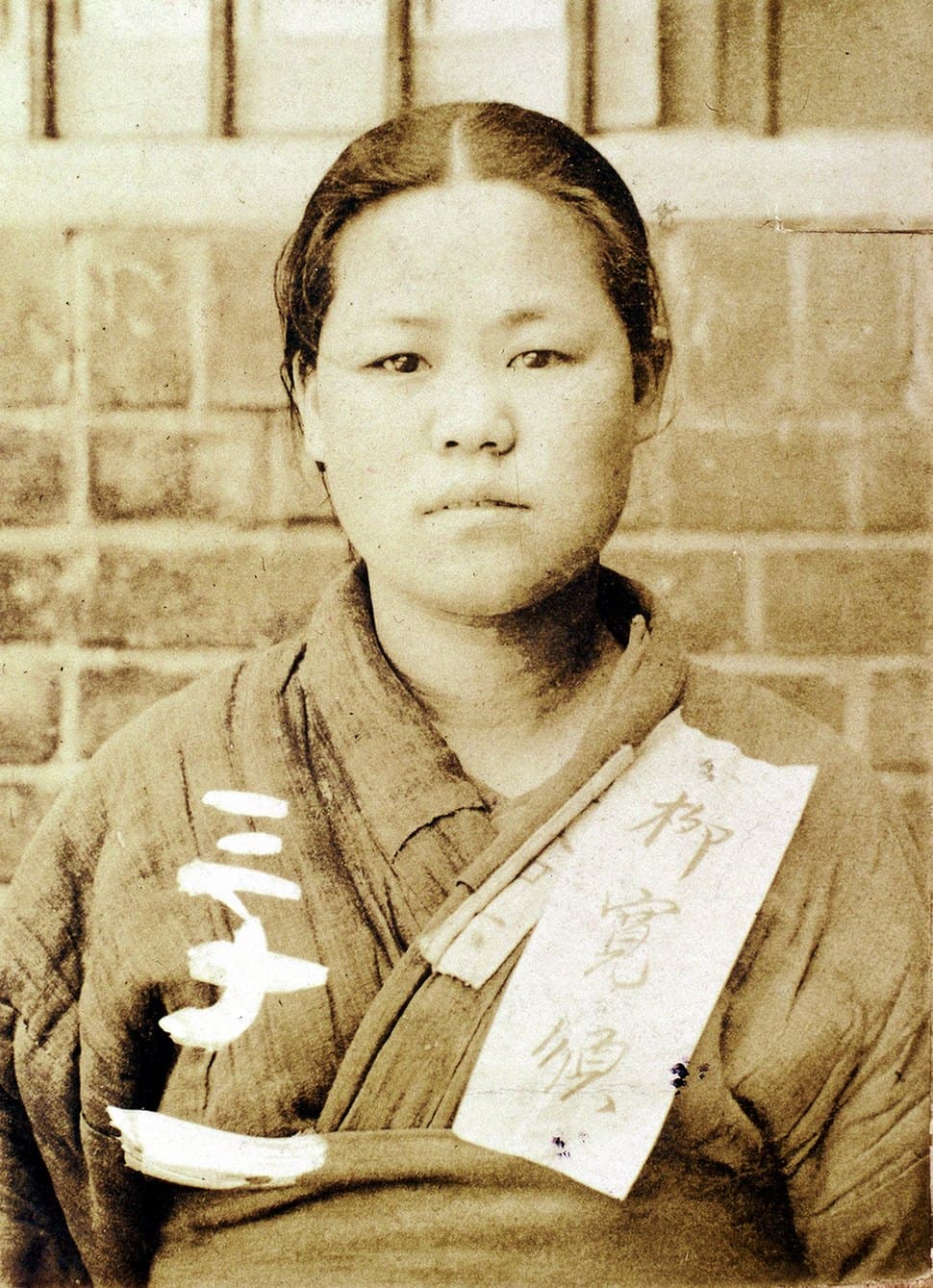
Busan Metropolitan Office of Education has drawn attention by producing an AI-restored video of 9 student independence activists — including Martyr Yu Gwan-sun — to mark the 107th anniversary of the March 1st Independence Movement. This video, which meticulously recreates the expressions, gaze, and muscle movements of young freedom fighters aged 15–18, has opened new possibilities for 'how AI remembers history.'
TL;DR
- Busan Metropolitan Office of Education produced and released AI-restored and re-enacted videos of 9 student independence activists to mark the 107th March 1st Independence Movement anniversary.
- All 9 individuals — including Martyr Yu Gwan-sun — were arrested for leading or participating in the independence movement at the young age of 15–18.
- AI meticulously reproduced facial expressions, gaze, and subtle muscle movements, creating a sense of 'history breathing in the present.'
- At the same time, outlets such as Segye Ilbo pointed out a blind spot: "There are no legal means to sanction AI-based degradation of historical figures."
- This video is garnering attention as the first large-scale official case of AI being used for history education in public schools.
The Facts: What Happened
Busan Metropolitan Office of Education (Superintendent Kim Seok-jun) produced and announced 'March 1st, Students Cried Out — AI Restoration and Re-enactment Video of Student Independence Activists' on February 27, 2026, ahead of the 107th anniversary of the March 1st Independence Movement.
A total of 9 figures were restored in this video.
| Name | Age at the Time | Activities |
|---|---|---|
| Yu Gwan-sun | 17 | Led and was arrested at the Aunae Marketplace independence demonstration |
| Lee Beom-jae | 17 | Discovered while planning a large-scale independence demonstration |
| Choi Bok-sun | 16 | Discovered while planning a large-scale independence demonstration |
| Oh Hong-sun | 17 | Discovered while planning a large-scale independence demonstration |
| Seong Hye-ja | 18 | Discovered while planning a large-scale independence demonstration |
| Shin Gi-cheol | 15 | Discovered while planning a large-scale independence demonstration |
| So Eun-myeong | 15 | Participated in independence demonstration on the hill behind Baehwa Girls' School |
| Kim Maria | 18 | Participated in independence demonstration on the hill behind Baehwa Girls' School |
| Park Hong-sik | 18 | Participated in the Seoul Jongno independence demonstration |
Busan Office of Education used AI to meticulously recreate each figure's facial expressions, gaze, and subtle muscle movements. The video was produced in a format where the figures, depicted in their historical appearance, recite the Declaration of Independence, and then re-enacted as modern-day students crying out 'Long Live Korean Independence.'
Why It's Trending Now
1. The D-Day Timing of the 107th March 1st Anniversary
Today (March 1, 2026) marks the 107th anniversary of the March 1st Independence Movement. As commemorative events are held across the nation, this video has spread through SNS and the news as a case showcasing 'the future of history education.'
2. The Emotional Connection of 'Same Age'
All 9 independence activists were 15–18 years old — the same age as today's middle and high school students. The video intentionally highlights this fact, evoking empathy among today's students: "Children the same age as me cried out for independence."
3. The Inspiring Use of AI Technology
While AI restoration of historical figures is not entirely new, the fact that a public education institution officially used AI to restore independence activists is close to a first. At a time when social distrust of deepfakes and AI-generated images runs high, this is garnering positive responses as an example of 'good AI use.'
Context and Background: When AI Meets History
The Positive Trend: Spread of Digital Historical Restoration
AI-based projects to restore historical figures are growing worldwide. In Korea, the Independence Hall and some local governments have previously attempted AI restorations for Liberation Day and March 1st, but creating something linked to a curriculum at the school district level is happening for the first time at this scale.
The Dark Side: Blind Spots in the Law
Segye Ilbo (2026-02-27) reported on the same day: "AI Technology That Awakened the Independence Cry of 107 Years Ago Is Defenseless Against Degradation of Historical Figures… The Law Also Has Blind Spots," pointing out that there are virtually no legal means to sanction content that uses AI deepfakes to insult or degrade historical figures. Positive AI restoration and malicious AI manipulation are two sides of the same coin.
Outlook: How Long Will This Trend Last?
- Short-term (1–3 days): Concentrated spread on and immediately after March 1st. The videos of Yu Gwan-sun and the other 8 figures are likely to be shared on SNS and consumed as emotionally resonant content.
- Medium-term (1–2 weeks): May lead to discussions of similar projects by other city and provincial education offices.
- Long-term: May develop into discussions on standardizing AI history education curricula in public schools. At the same time, calls for legislation to protect historical figures from AI manipulation will also intensify.
Checklist: Seeing This Issue in Full Dimension
Reference Links
- Yonhap News — Busan Office of Education Produces AI Restoration Video of 9 Independence Activists Including Yu Gwan-sun (2026.02.27)
- News1 — Busan Metropolitan Office of Education Releases AI Restoration Video of 9 Student Independence Activists Including Yu Gwan-sun
- Segye Ilbo — AI Technology That Awakened the 107-Year-Old Cry for Independence Is Defenseless Against Degradation of Historical Figures… The Law Also Has Blind Spots (2026.02.27)
- Busan Metropolitan Office of Education Official Facebook — AI Restoration Video
Image Source
- Photo of Martyr Yu Gwan-sun: Wikimedia Commons, Public Domain (Source Link)