The 1/20th Rebellion: The Day Hyundai's Atlas Threatened Tesla's Optimus — 5 Game-Changers of a $6.3B Robot·AI Investment
On the day Bloomberg declared 'Atlas is better than Optimus,' Hyundai Motor officially declared a robot war against Tesla by announcing a $6.3 billion (approximately ₩9 trillion) domestic investment in robots, AI, and hydrogen. Although Hyundai's market cap is just 1/20th of Tesla's, the technology behind Boston Dynamics is beginning to receive a serious revaluation.
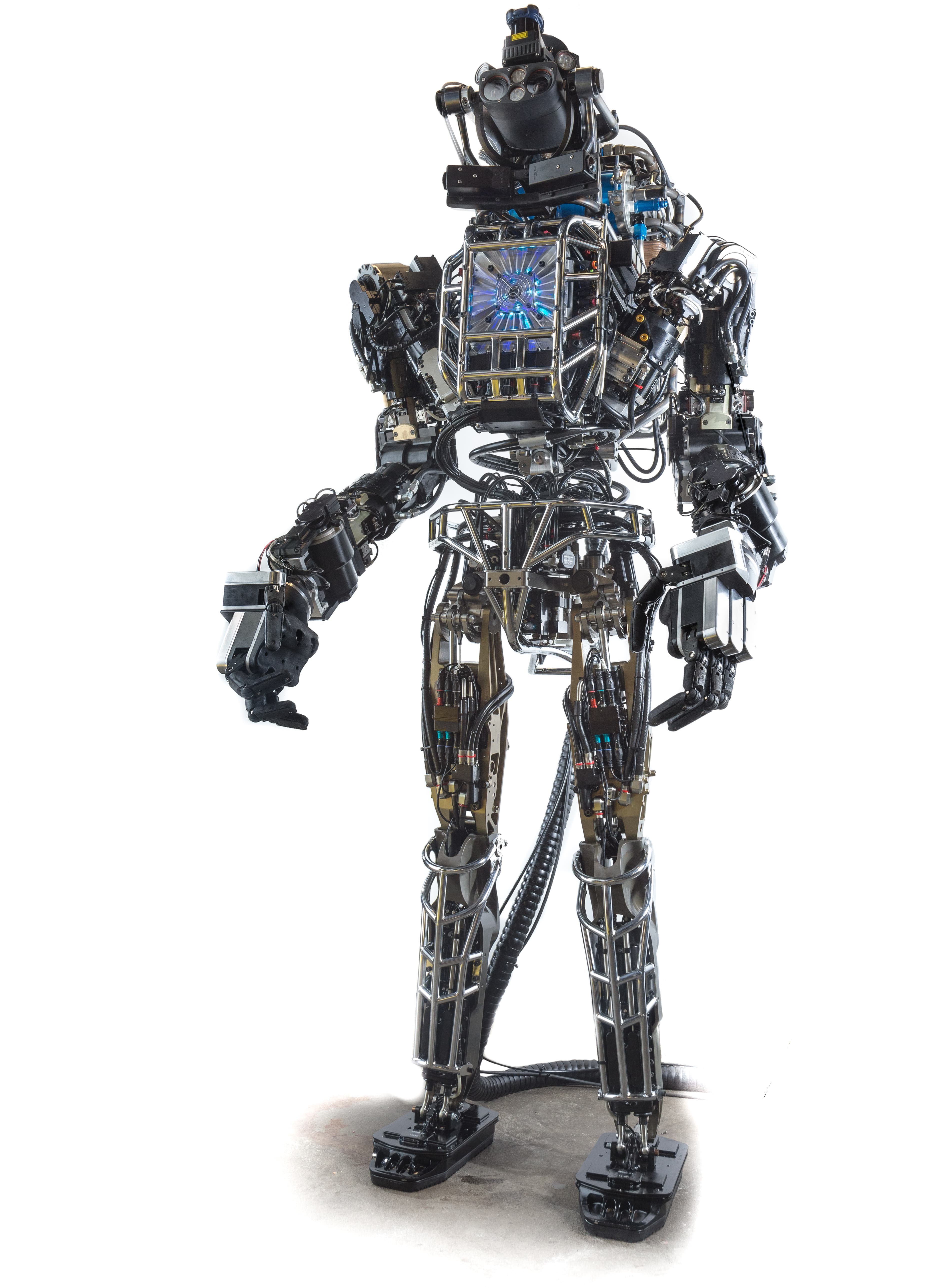
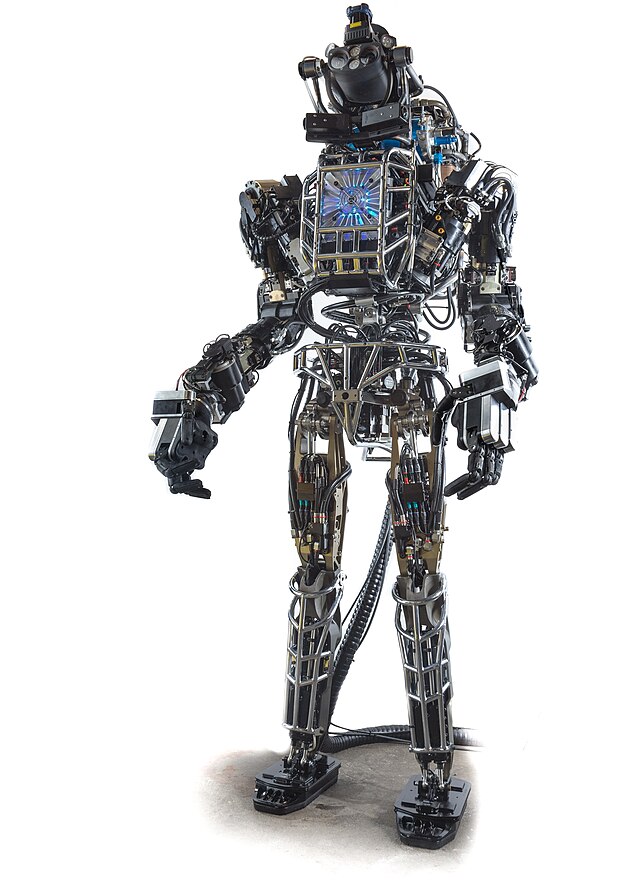
Why you need to watch this now: The 'Tesla of robots' might be Hyundai — on the day Bloomberg made it official, Hyundai is betting $6.3 billion to flip the table.
TL;DR
- Bloomberg, February 27, 2026: officially rates "Hyundai's Atlas as better than Tesla's Optimus"
- Hyundai, same day: announces $6.3 billion (approx. ₩9 trillion) investment in domestic robot smart factories, AI data centers, and hydrogen plants
- Immediately after the announcement, Hyundai's stock surged 7%, hitting an all-time high → surpassed GM to become the 4th largest automaker globally by market cap
- Hyundai's current market cap is just 1/20th of Tesla's — a pivotal moment to see if tech leads to valuation
- Atlas scheduled for full deployment at Hyundai production sites in 2028
The Facts: What Happened
On February 26–27, 2026 (local time), two major pieces of news broke simultaneously.
First, Bloomberg Technology published an in-depth analysis piece directly comparing Boston Dynamics' humanoid robot Atlas — owned by Hyundai Motor Group — with Tesla's Optimus, concluding that "Atlas is ahead." The evidence cited: ① operational stability in real factory environments, ② dexterous manipulation capabilities, and ③ Boston Dynamics' 30+ years of accumulated robotics data.
Second, Hyundai Motor Group announced its domestic investment plan. With a total of $6.3 billion (approx. ₩9 trillion), the investment covers:
- AI Data Center (₩5.8 trillion) — for robot AI training
- Robot Smart Factory — unmanned processes where 'robots build robots'
- Hydrogen Production Plant
This three-pillar investment is concentrated near the Saemangeum area, with the goal of completing Atlas mass-production infrastructure by 2028.
Why It Went Viral: The 4 Drivers
- Bloomberg's 'Better than Tesla' verdict — One of the most authoritative tech outlets in the world delivered a direct head-to-head comparison for the first time.
- 7% stock surge immediately after the announcement — The numbers spoke for the market's reaction. News that Hyundai surpassed GM to climb to global 4th place amplified investor sentiment.
- The '1/20th market cap' paradox — The fact that the technology gap with Tesla has narrowed while the market cap remains 1/20th created a compelling 'undervalued' narrative.
- The KOSPI 6,000 era — Perfectly coinciding with Korea's stock market hitting an all-time record rally, investor attention was laser-focused on Hyundai's momentum.
Context & Background: 6 Years of Hyundai–Boston Dynamics
It has been six years since Hyundai acquired Boston Dynamics (2020, approx. ₩1.1 trillion). Initially, there were many doubts: "Why is a robot company in a car company's hands?" But through 2024–2025, Atlas succeeded in pilot tests at Hyundai's Ulsan plant, actually transporting vehicle body parts and assisting in assembly tasks. This stands in contrast to Tesla's Optimus, which is still largely at a controlled-environment demo stage.
The strategy Hyundai has chosen is 'Physical AI' — not simply selling robots, but first validating them in its own factories before expanding to external sales, making its own factories the reference case. This is the context in which NVIDIA CEO Jensen Huang referred to Hyundai as "one of the most important physical AI partners."
Outlook: 5 Game-Changers
1. Revaluation of the 'Hyundai Premium' in the Robot Market
Until now, enterprise valuations in the robot market have been centered on U.S. startups like Tesla (Optimus), Figure AI, and 1X Technologies. If Hyundai-Boston Dynamics steps to the forefront backed by real-world data, institutional investors will inevitably need to recalculate their valuations.
2. Integrated 'AI Data Center + Robot' Ecosystem
The largest share of the $6.3 billion (₩5.8 trillion) goes to the AI data center. This is a declaration to internalize the data on which Atlas learns. By vertically integrating robot-AI-data without relying on external cloud services, Hyundai can gain an edge in learning speed and security over competitors.
3. Synergy with the Hydrogen Economy
The hydrogen plant investment isn't just about an eco-friendly image. It includes a roadmap to extend Hyundai's hydrogen fuel cell technology as the power source for robots. It's a long-term strategy to overcome the limitations of battery-based robots (charging time, weight, heat) with hydrogen.
4. Triggering the K-Robot Ecosystem
The $6.3 billion domestic investment creates ripple effects across the entire robot value chain — suppliers, materials companies, software startups. Once a 'Hyundai Atlas supplier' reference exists, the global expansion leverage for Korean robot startups will fundamentally change.
5. Tesla's Counterstrike
Elon Musk has publicly pledged to mass-produce 100,000 Optimus units by end of 2026, and millions more by 2030. Hyundai's offensive pressures Tesla to accelerate the Optimus roadmap. As the robot war intensifies, both companies will face higher short-term development costs, but the long-term result is likely to grow the market itself.
Checklist: 3 Things to Monitor Now
Risks
| Risk | Details |
|---|---|
| Pilot vs. mass production gap | Factory pilot success may not translate to mass production |
| Investment overheating | Profit-taking pressure after 7% stock surge |
| Misreporting risk | Danger of the Bloomberg evaluation being over-interpreted, ignoring that it was based on specific metrics |
| Geopolitical risk | Instability in parts supply chains (semiconductors, rare earths) amid US–China AI hegemony competition |
Reference Links
- "Hyundai Atlas Better Than Tesla Optimus" — Donga Ilbo citing Bloomberg
- Hyundai Motor to invest $6.3 billion in robots, AI, hydrogen — Korea Times
- Hyundai stock hits all-time high context — Reuters
- Hyundai $6.3B investment detailed analysis — TrustFinance Blog
Image Credit
- Boston Dynamics Atlas Robot image: Wikimedia Commons, Atlas frontview 2013 — Public Domain (DARPA / US Government Work)