"When Crazy People Have Nuclear Weapons": 5 Shockwaves Trump's Iran War Nuclear Statement Sends to the Korean Peninsula and Global Nuclear Order
President Trump reaffirmed the nuclear non-proliferation rationale for the US-Iran war with his statement "When crazy people have nuclear weapons, bad things happen," reigniting debates over North Korea's nuclear program and South Korea's potential nuclear armament.
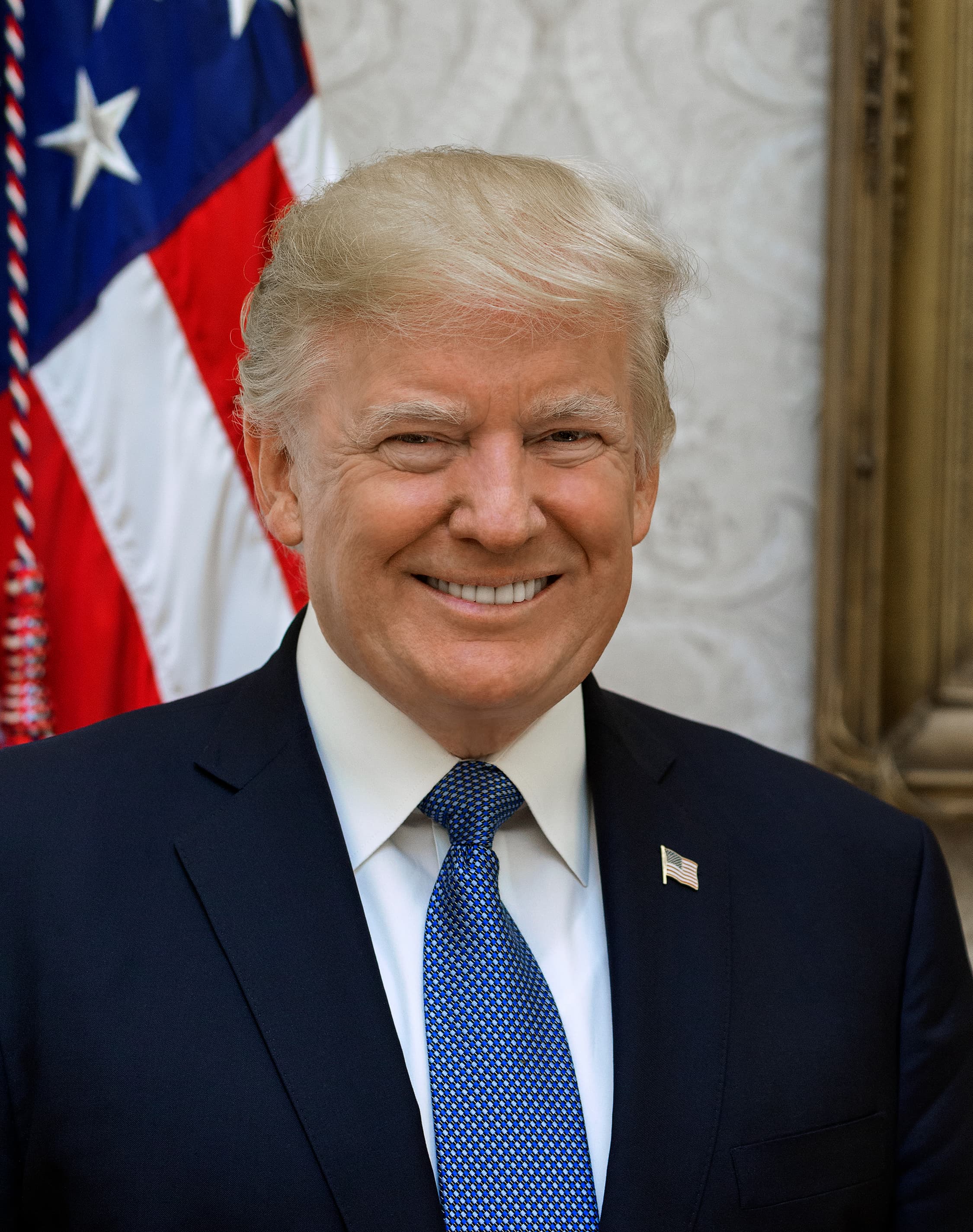
"When crazy people have nuclear weapons, bad things happen." — Donald Trump, March 5, 2026 (via Korea Times)
TL;DR
- On Day 5 of the US-Iran war (March 5), President Trump reaffirmed the war's legitimacy by framing it as a response to a 'crazy regime with nuclear weapons.'
- The White House separately released a document citing "74 declarations against a nuclear-armed Iran," reinforcing the justification for the conflict.
- The statement is being interpreted as the seed of a preemptive response doctrine targeting nuclear-armed 'rogue states' beyond Iran — including North Korea, Russia, and China.
- Inside South Korea, the debate over developing an independent nuclear deterrent is likely to be reignited.
- International controversy is also spreading over who gets to define the 'crazy people' standard.
1. The Facts: What Was Said
On March 5, 2026 (local time), President Trump made the following remarks at a White House event while explaining the rationale behind the Iran war:
"When crazy people have nuclear weapons, bad things happen. We're preventing that from ever happening again."
This statement came five days after the United States and Israel launched 'Operation Epic Fury' on February 28, 2026, striking Iranian nuclear facilities and military infrastructure.
In the same context, the White House released a fact sheet that same day titled "President Trump Has Made It Abundantly Clear 74 Times That Iran Will Not Get a Nuclear Weapon." Spanning decades of hostility from the 1979 Tehran hostage crisis to Iran's recent missile development, the document represents a de facto attempt to provide legal and historical justification for a 'preemptive nuclear deterrence war.'
2. Why This Statement Is Gaining Traction
(Context table not available at source)
3. Context & Background: The Lineage of the 'Crazy People' Doctrine
Trump's use of this phrase was not spontaneous. According to analyses by CNN, Reuters, and the Washington Post, the Trump administration has offered at least four different justifications for the war since its launch:
- Preventing Iran from acquiring nuclear weapons — the rationale Trump has emphasized most consistently
- Protecting US citizens and eliminating Iranian terrorist organizations — the initial declaration at the war's outset
- Regime change — stated on Truth Social shortly after the war began (later walked back)
- Destroying Iran's long-range missile program — the Pentagon briefing version
Of these, the nuclear non-proliferation argument carries the greatest public persuasiveness. While it echoes the WMD rationale of the Bush administration's Iraq War, Chatham House warns that "the use of preemptive force without concrete evidence of imminent threat potentially violates Article 51 of the UN Charter."
4. Implications for the Korean Peninsula: 5 Scenarios
① Shift in the North Korea Nuclear Negotiation Landscape
Trump had been pursuing 'talks without preconditions' with Kim Jong-un independently of the Iran war. If an Iranian precedent is set, it could either intensify pressure of 'denuclearize or be next' — or, paradoxically, reinforce Kim Jong-un's hardline stance through the logic that 'giving up nuclear weapons means ending up like Iran.'
② Reignition of South Korea's Independent Nuclear Armament Debate
Public support for South Korea developing its own nuclear deterrent had already been rising after the Iran war broke out. Trump's statement — implying "the US directly attacks 'crazy regimes' with nuclear weapons" — amplifies the fear that drives calls for South Korea to secure its own nuclear deterrent.
③ Redeployment of US Strategic Assets in South Korea
With reports already circulating in Korean media about a potential USFK redeployment review, a prolonged Iran war could erode Indo-Pacific defense resources, potentially creating a security gap for South Korea.
④ Controversy Over the Arbitrariness of the 'Crazy People' Standard
The international community is asking, "Who defines the standard?" China and Russia could exploit this logic to claim the same preemptive strike justification against nuclear threat states on their own borders.
⑤ Changes in South Korea's Defense Export Environment
The more the Iran war exposes the limits of US military power, the greater allies' demand for self-defense capabilities grows. A surge in global demand for K-defense systems (Cheongung-II, KSS-N, K2 tanks) is anticipated.
5. Outlook: Where Does This Statement Lead?
- Short-term (1–3 days): Buried under Iran war battle reports, briefly trending. Spread of SNS memes and parodies.
- Medium-term (~1 month): In the context of Iran war ceasefire negotiations, likely to become the official language of a 'nuclear abandonment as condition for talks' framework.
- Long-term: Could be recorded in history as a defining phrase of the Trump Doctrine. A potential turning point for establishing a 'Trump Nuclear Doctrine' following the Bush Doctrine (preemptive war).