Lee Jae-myung's Second China Visit Amid U.S.-China Turbulence: 5 Strategic Challenges the Korea-China Summit Poses for Korea Amid the Iran War and Trump Tariffs
As the Iran-Israel war and U.S.-China rivalry intensify simultaneously, President Lee Jae-myung returned to Beijing in March for a second summit with President Xi Jinping — just two months after declaring a 'full restoration of Korea-China relations' during his first visit in January. The visit carries five core strategic challenges: energy security, semiconductors, supply chains, North Korea leverage, and lifting the Korean Wave ban.
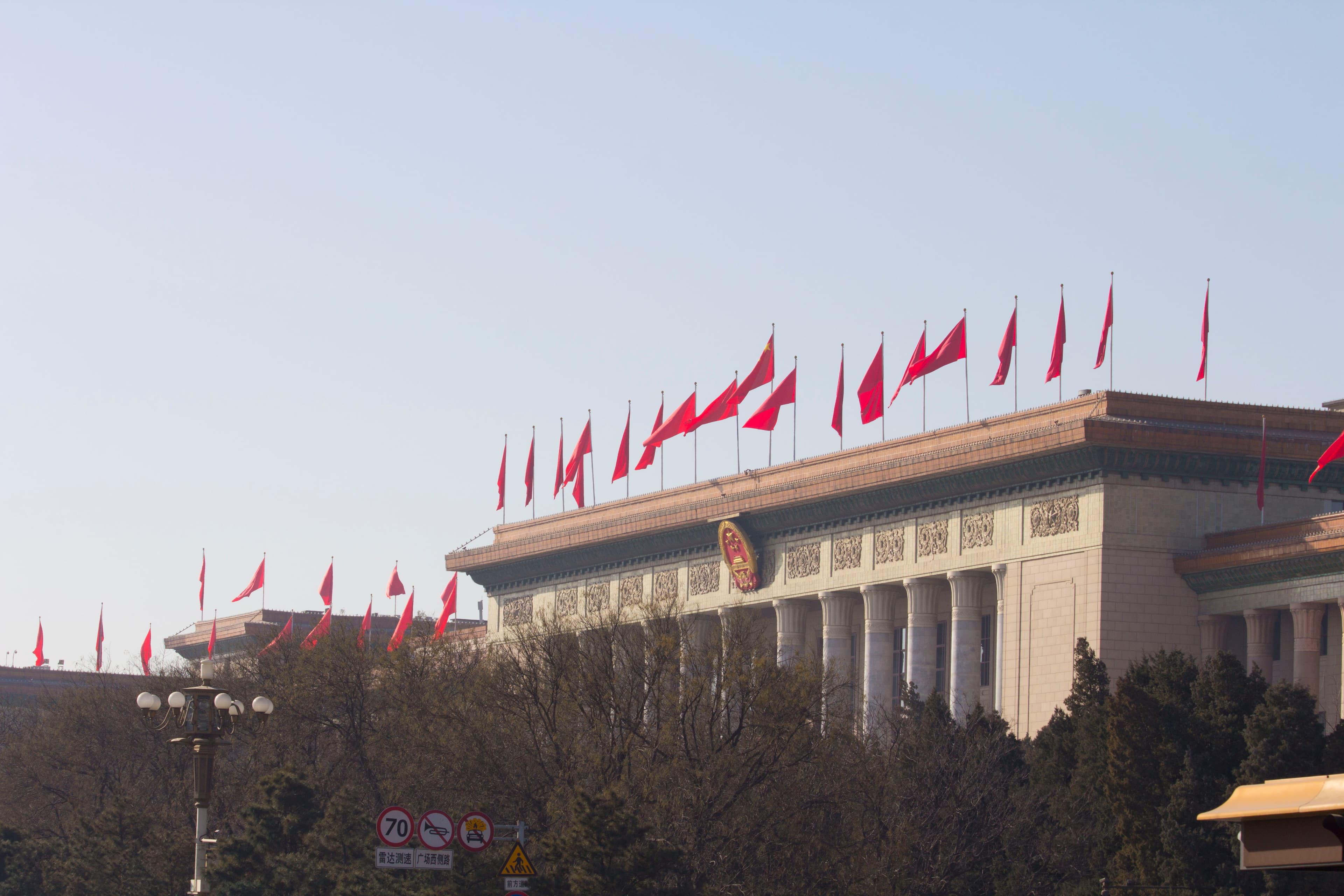
Why does this matter right now? Day 7 of the Iran war, an escalating Trump tariff war, U.S.-China tensions at an all-time high — and right in the middle of it all, President Lee Jae-myung has landed in Beijing.
TL;DR
- President Lee Jae-myung arrived in Beijing in the early hours of March 7, 2026, ahead of a second summit with President Xi Jinping.
- The return visit comes just two months after his first trip in January, when the two sides declared a 'full restoration of Korea-China relations.'
- A triple wave of U.S.-China tensions, the Iran war, and Trump tariffs is amplifying the strategic weight of this summit.
- Energy alternative supply chains, semiconductors, North Korea leverage, and supply chain restructuring are the key agenda items.
- President Lee reaffirmed Korea's willingness to cooperate, describing China as 'an important partner for peace on the Korean Peninsula.'
The Facts: What Happened
President Lee Jae-myung arrived in Beijing, China in the early hours of March 7, 2026. Immediately upon arrival, he launched into his state visit schedule, beginning with a meeting with Korean residents in China. This second visit follows his first state visit on January 4–7, during which he held a Korea-China summit with President Xi Jinping and declared 2026 'the inaugural year of a full restoration of Korea-China relations.'
The unusually swift timing of this second visit is rooted in rapidly shifting global conditions: the outbreak of the Iran-Israel war in the Middle East (from February 28), the Trump administration's escalating tariff pressure on China, and surging U.S.-China hegemonic rivalry. Media descriptions of the visit as taking place 'amid heightened U.S.-China tensions' capture this context precisely.
Before departing, President Lee stated: "China is an important partner for peace on the Korean Peninsula, and there are boundless areas in which we can cooperate."
Why This Is Gaining Attention Now
If the January visit was symbolic — a declaration of restored relations — the March second visit is analyzed as driven by immediate crisis response and substantive cooperation.
- Iran war energy shock: With the Hormuz Strait blockade threatening Korea's crude oil and LNG imports, leveraging China's strategic reserves and Central Asian pipeline routes has emerged as a top priority.
- Trump tariff war: As U.S. pressure on both China and Korea intersects, Korea is seeking to position itself as a strategic buffer between the two powers.
- Post-NPC timing: Just days after China's National People's Congress (which closed March 5) confirmed a 7.2% defense budget increase and AI industry promotion, a Korean presidential visit reads as an 'economic cooperation signal.'
- Domestic political context: The Lee Jae-myung government is actively using the China relationship as a diplomatic card to stabilize energy prices and defend household livelihoods amid the Iran war shock.
Stakeholders: Who Is Involved
5 Strategic Challenges
1️⃣ Securing Alternative Energy Supply Chains
With 30% of Korea's crude oil imports at risk due to the Iran war, the possibility of leveraging China's Central Asian and Russian energy transit routes is a core agenda item. China already imports 68 billion cubic meters of gas annually via Russian pipelines (Power of Siberia 1 & 2). If Korea can conclude an LNG swap or intermediate purchase agreement, it would provide crucial breathing room for energy security.
2️⃣ Semiconductor and Rare Earth Supply Chain Cooperation
With U.S. semiconductor export controls on China and Chinese rare earth export restrictions crossing paths, a 'semiconductor-for-rare-earths swap' framework could be put on the negotiating table. The question of extending operating licenses for Samsung Electronics and SK Hynix's semiconductor factories in China is also cited as a key agenda item.
3️⃣ Using China as Leverage Over North Korea
As North Korea sends signals of external moderation following its 9th Party Congress, Korea is intensifying efforts to restore a North Korea message channel through China. Realizing the Lee Jae-myung government's 'blockchain peace trade system' concept would require China's de facto consent.
4️⃣ Joint Response to Trump Tariffs
With the U.S. reciprocal tariff threat pressing both Korea (25%) and China, there is a possibility that the two sides will explore 'tariff buffer' solidarity through WTO reform or ASEAN+3 multilateral channels. However, this also carries the risk of intensifying U.S. pressure on Korea.
5️⃣ Full Lifting of the Korean Wave Ban (限韓令)
Although the January visit produced an agreement to 'gradually expand cultural and content exchanges,' the ban has not been fully lifted. If the full re-entry of K-pop and K-dramas into Chinese platforms becomes a formal agenda item at this second summit, it could lead to a rally in Korean Wave-related stocks and a cultural industry revival.
Outlook: How Long Will This Matter?
The results of this visit will be assessed in three stages: short-term (1–3 days) summit outcome announcements → medium-term (1–3 months) implementation → long-term structural cooperation institutionalization. The key question is whether Korea can maintain its dual positioning as 'a U.S. ally and China's economic partner' amid escalating U.S.-China tensions.
Estimated shelf life: As long as the Iran war continues and U.S.-China relations remain strained, the strategic significance of this visit is expected to remain a core variable in Korean diplomacy and economics for at least three months.
Risk Checklist
Reference Links
- Google News — President Lee in China: 'Important Partner for Peninsula Peace' (Hankyoreh)
- January 2026 Korea-China Summit — Namu Wiki
- President Lee Jae-myung's State Visit to China and Reestablishment of Korea-China Relations — Korea Policy Briefing
- BBC Korea — Lee Jae-myung and Xi Jinping: Summit Just Two Months Apart