The Price of ₩100 Million: 5 Questions Kang Seon-woo's March 3 Arrest Warrant Hearing Poses to Korea's 'Nomination Bribe Cartel'
Independent lawmaker Kang Seon-woo, suspected of receiving a ₩100 million bribe in exchange for a party nomination, faces a pre-arrest hearing on March 3. Following the passage of the arrest consent motion, this case of a sitting lawmaker on the brink of actual detention is once again surfacing the structural problems of parliamentary immunity and Korea's nomination culture.
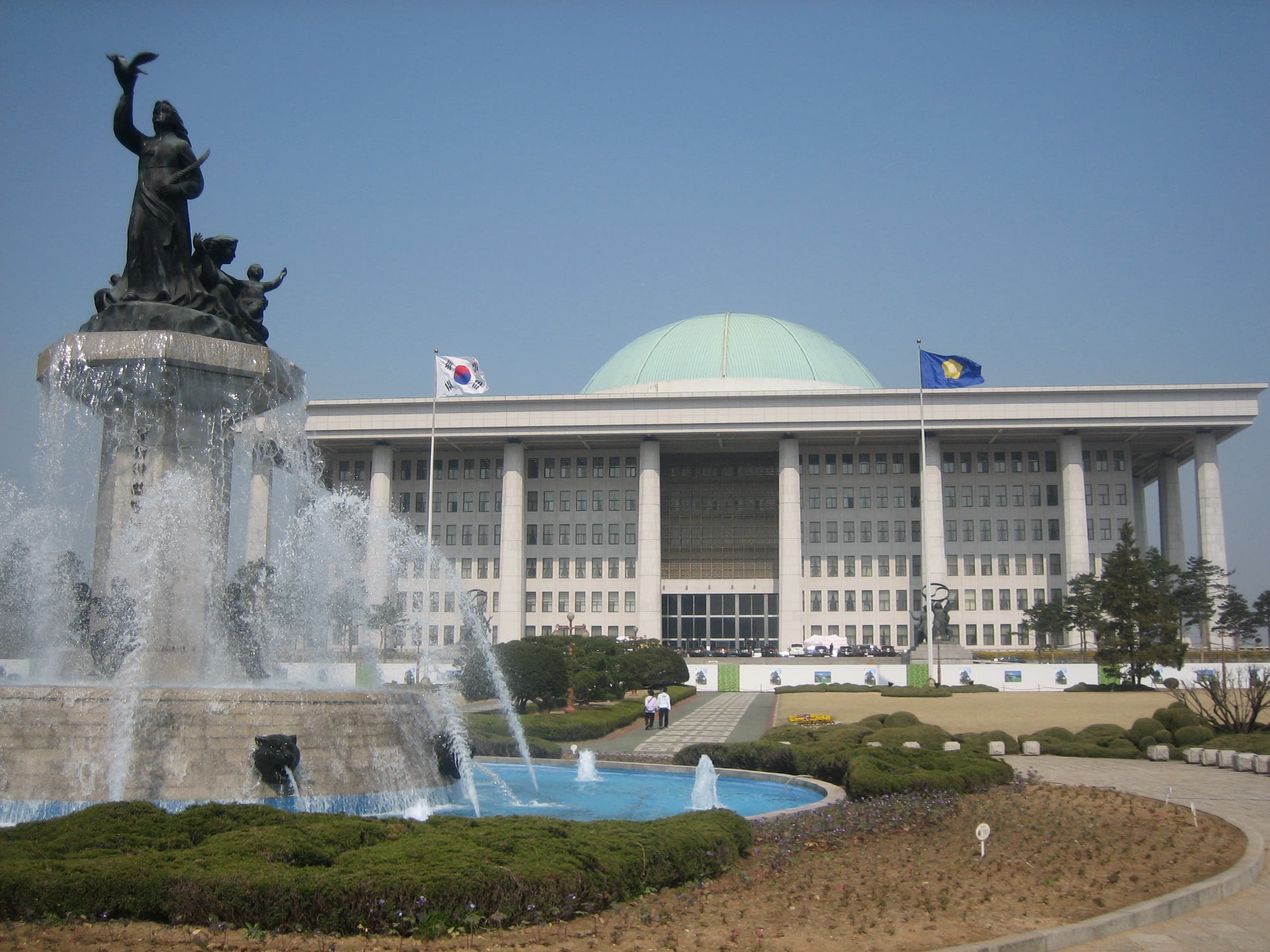
Why does this matter right now? It is extremely rare in Korean constitutional history for a sitting lawmaker to face imminent arrest. The warrant review hearing for Rep. Kang Seon-woo on March 3 marks both the endpoint of a nomination bribe scandal and a moment that forces society to re-examine the real effectiveness of parliamentary immunity.
TL;DR
- The pre-arrest interrogation of independent Rep. Kang Seon-woo — whose arrest consent motion passed the National Assembly plenary on February 24 on suspicion of receiving a ₩100 million nomination bribe — is scheduled for March 3 at 2:30 PM at the Seoul Central District Court.
- Former Seoul City Councilmember Kim Kyung, suspected of handing over the money, is also scheduled for a hearing at 10:00 AM the same day.
- Police have filed a pre-indictment asset preservation order on ₩100 million of Rep. Kang's assets with the Seoul Central District Prosecutors' Office.
- Depending on the outcome, a sitting lawmaker could be taken into custody.
The Facts: What Happened
Ahead of the June 2022 local elections, Rep. Kang Seon-woo (then a member of the Democratic Party's candidate vetting committee) is alleged to have received ₩100 million in cash in exchange for a nomination from former Seoul City Councilmember Kim Kyung at a hotel in Yongsan-gu, Seoul.
Afterward, Rep. Kang reportedly pushed strongly within the committee for Kim to be nominated as the Democratic Party candidate for the Gangseo-gu seat in the Seoul City Council — and Kim was indeed nominated, going on to win re-election.
- Charges: Violation of the Political Funds Act, breach of trust (bribery), violation of the Anti-Graft Act
- Arrest consent vote (2/24): In favor 164 · Against 87 · Abstain 3 · Invalid 9 (passed)
- Asset preservation: Police filed a pre-indictment asset preservation request for ₩100 million with Seoul Central District Prosecutors
Why It's Heating Up Now
The reason Rep. Kang's case is back in the spotlight today (March 2) is simply that tomorrow is the warrant review hearing. If the passage of the arrest consent motion was a procedural milestone marking the legislature's cooperation with the executive and judiciary, tomorrow's hearing is the final gate that will determine whether physical liberty is actually restricted.
- Kang's defense: Flatly denies all charges, saying "₩100 million means nothing to me"
- Police perspective: Counter that Kang is "focused on evading responsibility without any remorse"
- Asset preservation: Freezing assets before a conviction — an exceptional measure that signals the prosecution and police consider this a serious crime
Context and Background: What Is the 'Nomination Bribe Cartel'?
In Korean politics, a nomination is effectively a guaranteed election ticket. Nominations for local election candidates — particularly for basic local government heads and council seats — are largely at the discretion of the central party or its vetting committee members, and structural corruption involving the exchange of money in this process has recurred repeatedly.
| Item | Details |
|---|---|
| Time of transaction | January 2022 (5 months before local elections) |
| Location | Hotel in Yongsan-gu, Seoul |
| Amount | ₩100 million in cash |
| Alleged purpose | In exchange for a party nomination |
| Outcome | Kim Kyung re-elected to Gangseo-gu Seoul City Council |
5 Key Questions
① Is Parliamentary Immunity Still Valid?
Sitting National Assembly members cannot be arrested or detained during a session without the Assembly's consent (Article 44 of the Constitution). In this case, the arrest consent motion did pass — but until the vote, the 'immunity shield' was in effect. Society is once again asking about the boundary between the reason for the privilege and its abuse.
② What Are the Standards for an Arrest Decision?
The warrant judge weighs: ▲ substantiation of criminal charges ▲ risk of flight or destruction of evidence ▲ severity of the crime and risk of re-offending. In cases involving politicians, 'social influence' is also a factor.
③ What Is the Democratic Party's Dilemma?
Rep. Kang is currently an independent but is a former Democratic Party member. The party's participation in voting in favor of the arrest consent motion can be read either as 'self-policing' or as evidence of internal party conflict.
④ Is Reforming the Nomination System Possible?
Critics have long argued that the secretive nature of the nomination process structurally enables bribe corruption. Reform proposals such as open primaries and legislation codifying nomination criteria have been discussed, but implementation has been slow.
⑤ What Does the Asset Preservation Order Mean?
A pre-indictment asset preservation order is a powerful measure that freezes assets while a person is still a suspect. Its exceptional application is a signal that prosecutors and police view this case as a serious crime.
Outlook
- If detention is granted: Rep. Kang will be held in a detention center until the investigation concludes. Trial would follow months later.
- If detention is denied: Trial proceeds without detention. However, the asset preservation order will likely remain in place.
- Political ripple effects: Both ruling and opposition parties agree on the need for 'nomination reform,' but whether this translates into legislative momentum remains to be seen.
Reference Links
- Yonhap News — Kang Seon-woo & Kim Kyung Detention Hearings Set for March 3
- Kyunghyang Shinmun — Kang Seon-woo's Detention to Be Decided on March 3
- Hankyoreh — Police File Asset Preservation Request
- Chosun Ilbo — Warrant Review Hearing to Proceed on March 3
Image Credit
- National Assembly building photo: Wikimedia Commons (Alain Seguin, CC BY-SA 3.0)