The ₩100 Million Nomination Bribery Trial Act II: 5 Shockwaves the Simultaneous Arrest of Gang Seon-woo and Kim Kyung Sends to the Lee Jae-myung Government's Ruling Party Politics
Independent lawmaker Gang Seon-woo (formerly of the Democratic Party) and former Seoul City Councilmember Kim Kyung were simultaneously arrested in the early hours of March 4, 2026, on charges of exchanging ₩100 million in nomination bribes. The Seoul Central District Court issued the arrest warrant citing 'risk of evidence destruction,' marking the first arrest of a sitting lawmaker from the former ruling party since the launch of the Lee Jae-myung government — sending major shockwaves across both the political and judicial spheres.
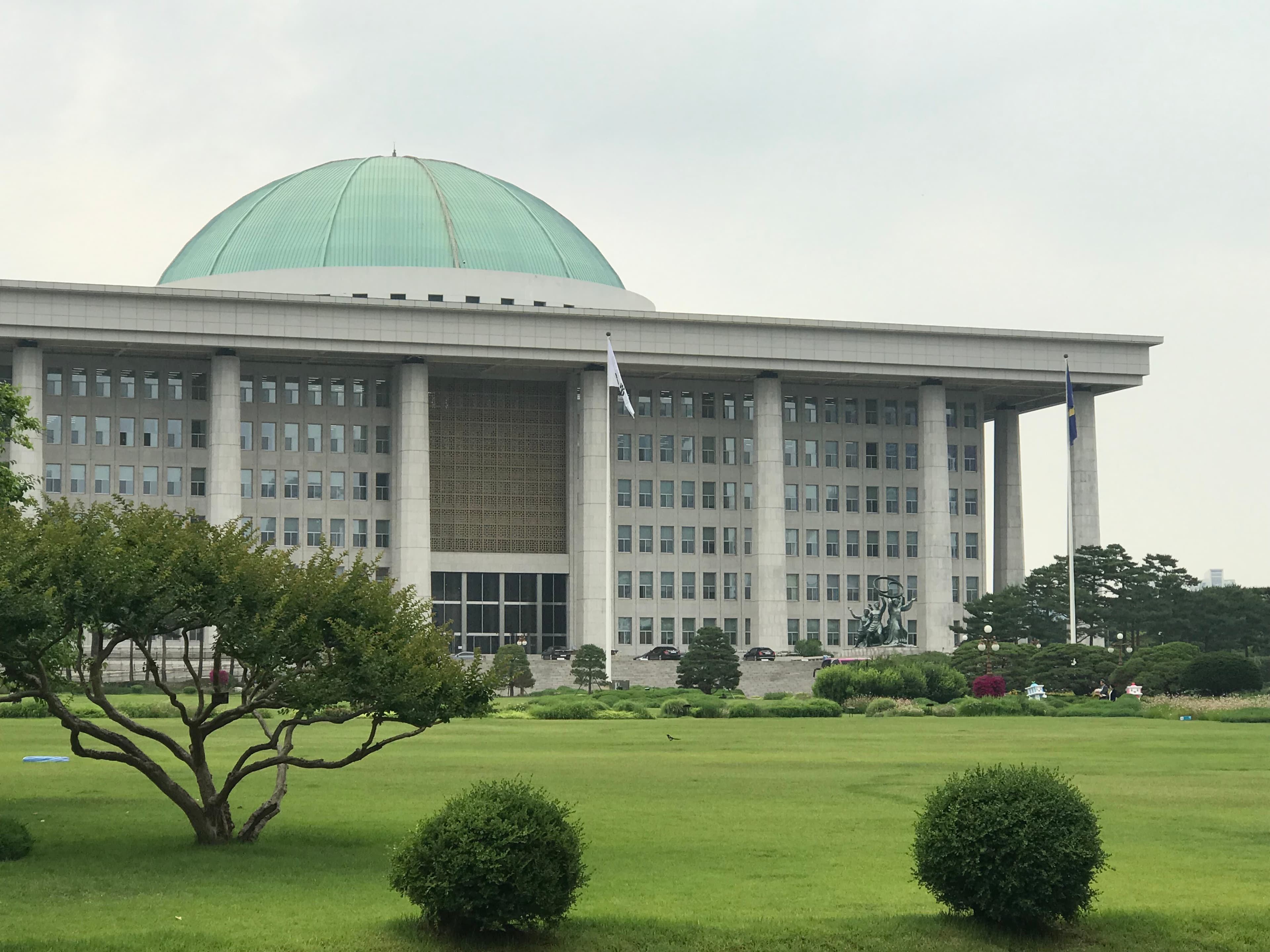
Why this arrest matters: ₩100 million in nomination money — this is not a simple case of bribery. It marks the first moment the judiciary has ruled on the allegation that the very foundation of democracy, a 'fair nomination system,' was put up for sale.
TL;DR
- Independent lawmaker Gang Seon-woo (formerly of the Democratic Party) and former Seoul City Councilmember Kim Kyung arrested simultaneously in the early hours of March 4, 2026
- Seoul Central District Court Judge Lee Jong-rok (warrant division chief) — issued warrant citing "risk of evidence destruction"
- Charges: Violation of the Political Funds Act · breach of trust · bribery — receipt of ₩100 million in exchange for nomination in the 2022 local elections
- Recorded as the first arrest of a sitting lawmaker from the former ruling party since the launch of the Lee Jae-myung government
- Police are obligated to transfer the case to prosecutors within 10 days of the arrest
1. The Facts — What Happened
The pre-arrest suspect examination (warrant review hearing) for independent lawmaker Gang Seon-woo and former Seoul City Councilmember Kim Kyung was held at the Seoul Central District Court on March 3, 2026. Kim Kyung appeared at 10 AM, and Gang Seon-woo at 2:30 PM.
In the early hours of March 4, the court issued arrest warrants for both individuals. The stated reason: "risk of evidence destruction." Both were taken into custody at the Mapo Police Station detention facility in Mapo-gu, Seoul.
Key charges:
- Kim Kyung → Gang Seon-woo: On January 7, 2022, Kim Kyung allegedly delivered ₩100 million to Gang Seon-woo, who was then serving as a nomination committee member for the Democratic Party's Seoul Metropolitan chapter, in exchange for receiving a nomination for the Seoul City Council election.
- Police claim: Gang Seon-woo met with Kim Kyung with prior knowledge of the ₩100 million — directly contradicting Gang's account ("confirmed the shopping bag 3 months later and ordered it returned").
- Additional police allegation: Gang Seon-woo allegedly used the ₩100 million as a rental deposit.
2. Why It Blew Up Now
This case had been raised since just after the 2022 local elections, but the passage of the National Assembly motion to consent to arrest (February 24, 2026; 164 votes in favor) was the decisive turning point. The constitutional safeguard preventing the arrest of sitting lawmakers without National Assembly consent had been broken through.
The sequence — motion passed → arrest warrant filed (police, February 5, 2026) → warrant review hearing (March 3) → arrest decision (early hours of March 4) — was completed in roughly one month.
The simultaneous arrest of former Seoul City Councilmember Kim Kyung amplified the impact. Both the person who gave the money (Kim Kyung) and the person who received it (Gang Seon-woo) now face the court.
3. Context — What Is Nomination Bribery?
In Korean politics, nomination bribery is a chronic problem that keeps resurfacing. In a system where a party's nomination effectively determines election outcomes, the practice of offering money to those with nomination authority has never been eradicated.
- The Political Funds Act was strengthened after the 2004 impeachment crisis, but under-the-table dealings continued.
- The Kim Byung-ki nomination money allegation (related to the 2020 general election) — a similar case — is also under parallel investigation.
- The fact that ₩100 million changed hands for a nomination within the same Democratic Party faction gives this case a strong 'insider dealing' character.
This is the first time a sitting lawmaker from the ruling party background has been arrested since the Lee Jae-myung government took office (estimated June 2025), directly fueling a credibility controversy within the ruling camp.
4. Outlook — Where This Case Is Headed
5. Risk Checklist
References
- Gang Seon-woo and Kim Kyung Arrest Confirmed — Dong-A Ilbo 3/4
- '₩100 Million Nomination Bribe' Gang Seon-woo and Kim Kyung Arrested — MBC News25 (YouTube)
- '₩100 Million Nomination Bribe' Gang Seon-woo and Kim Kyung Arrested — KBS (YouTube)
- Gang Seon-woo and Kim Kyung Arrest Warrant Issued — Yonhap News TV (YouTube)
- Kyunghyang Shinmun Breaking News — 'Risk of Evidence Destruction'
- Gang Seon-woo Kim Kyung Nomination Bribery Allegation — Namu Wiki
Image credit: National Assembly of Korea, Wikimedia Commons, Public Domain