"Fake News Is Democracy's Enemy" vs. "Pre-Election Gag Order" — 5 Questions PM Kim Min-seok's Fake News Crackdown Poses to Press Freedom Ahead of the June 3 Local Elections
On February 26, 2026, Prime Minister Kim Min-seok chaired an inter-ministerial meeting on 'Combating AI-Abused Fake News,' declaring a 'zero-tolerance' response to fake news ahead of the June 3 local elections. However, outlets including JoongAng Ilbo and Kyunghyang Shinmun raised concerns that the government could label criticism as fake news and suppress freedom of expression.
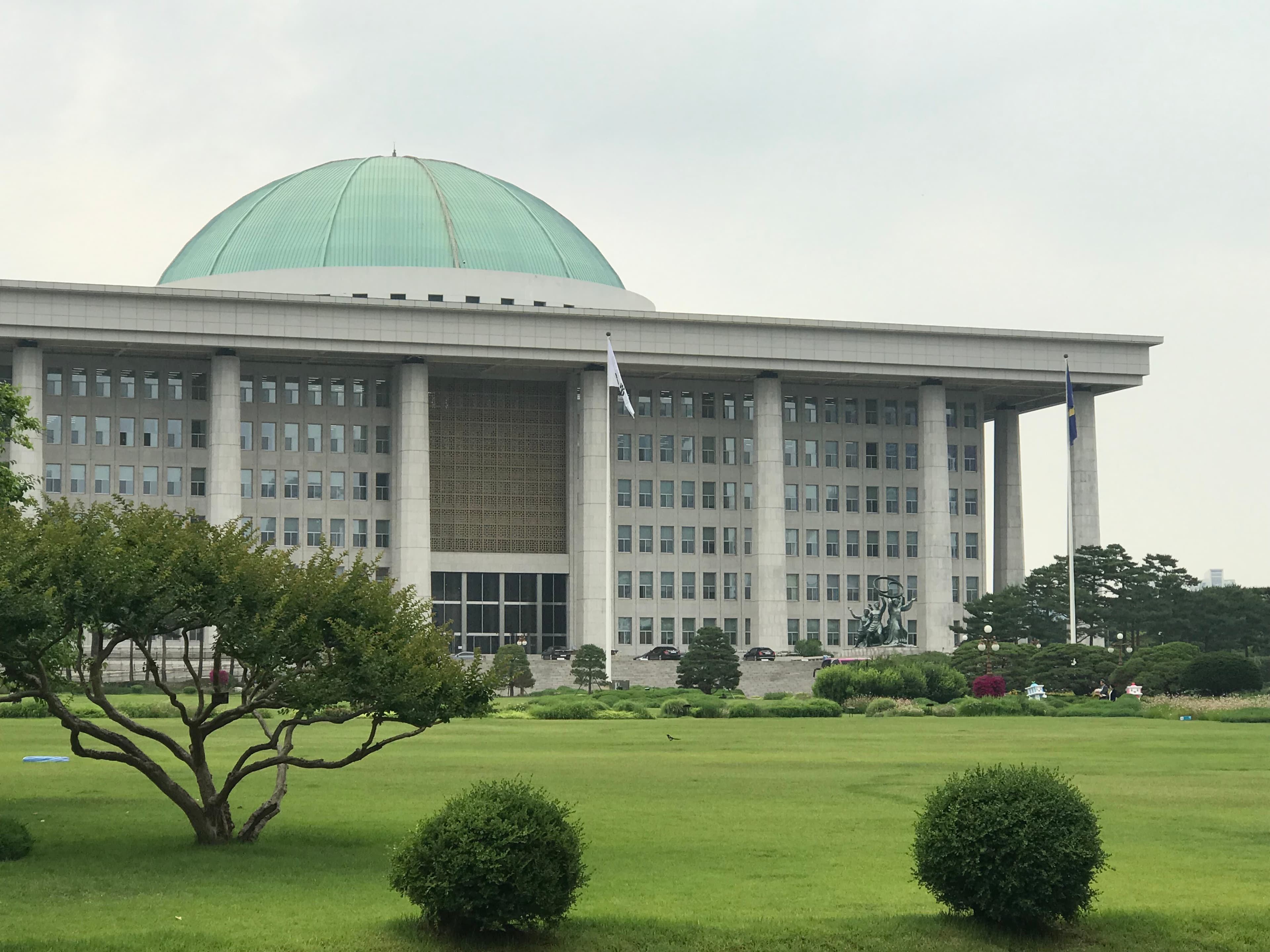
Why You Should Read This Now: With 96 days until the June 3 local elections, the government has declared it will 'eradicate AI deepfake fake news.' But who gets to define what counts as 'fake news'?
TL;DR
- On February 26, 2026, an inter-ministerial meeting on 'Combating AI-Abused Fake News' was convened under Prime Minister Kim Min-seok
- Three pillars activated: KCC as control tower, prosecutors & police 'zero-tolerance' investigations, deepfake detection technology development
- 96 days until the June 3 local elections; the government is already running a '5 Major Election Crime Crackdown'
- Media and the opposition warn of the risk of suppressing government criticism as fake news before the election
- A dilemma requiring simultaneous regulation of AI deepfake technology and protection of freedom of expression
What Happened: Key Points from the Inter-Ministerial Meeting
On February 26, 2026, Prime Minister Kim Min-seok gathered ministers from the Ministry of Science and ICT, the Korea Communications Commission (KCC), the Ministry of Justice, the National Police Agency, and other relevant agencies at the Seoul Government Complex. The official name of the meeting: 'Inter-Ministerial Meeting on Combating AI-Abused Fake News.'
PM Kim stated that day, "The rampant spread of fake news and smear campaigns shakes the very foundation of democracy," and presented three core policy directions:
- KCC as Control Tower: Establishment of an ICT Service Transparency Center, support for fact-checking organizations
- Prosecutors & Police Zero-Tolerance Investigations: Building a dedicated election crime investigation system, strengthening prosecutor deployment in the first half of the year
- Tech Blocking + Media Literacy: Full lifecycle support for deepfake detection and blocking technology development
The government has already launched a crackdown since January 2, 2026 on the organized and systematic spread of false information using macros and similar methods, designating the spread of false facts as one of the '5 Major Election Crimes.'
Why It Trended: The Spread Mechanism
The reasons this issue topped real-time search rankings are multifaceted.
① Deepfakes Becoming Reality: Deepfake videos mocking independence movement figures such as Yu Gwan-sun had already been spreading ahead of March 1st Independence Movement Day (a separate issue), creating a socially formed fear of 'election deepfakes.'
② June 3 Local Elections D-96: The election is three months away. Election-related issues always generate high search interest.
③ Clash of Anti-Government Criticism Frames: The opposition and some media raised structural risks that 'criticism of government policy = fake news label → punishment' could follow. This conflict spread rapidly through social media.
Context & Background: The Dilemma of 'Fake News Crackdowns'
Why Regulation Is Necessary
- AI-generated deepfake videos have reached a level nearly impossible to identify with the naked eye
- In the 2022 presidential election and the 2024 general election, AI-synthesized audio and video were already used to interfere in elections
- Overseas case: In Romania's 2024 presidential election, TikTok algorithm manipulation with pro-Russian content led to the invalidation of the election
Why Concerns Exist
In its February 27 editorial "A Fake News Crackdown Must Not Become a Pre-Election Gag Order," JoongAng Ilbo pointed out:
'The boundary between politically motivated disinformation and critical journalism inconvenient to those in power can shift depending on who holds power.''
Key concerns:
- Definitional Ambiguity: If the government defines the scope of 'fake news,' election oversight functions weaken
- Risk of Selective Investigation: Danger that crackdowns concentrate in directions favorable to the ruling party
- Chilling Effect: Strengthened self-censorship by citizens and media due to fear of punishment
Stakeholders: Who Is Involved
| Party | Position |
|---|---|
| Prime Minister Kim Min-seok | Designated KCC as whole-of-government control tower; declared zero-tolerance response |
| KCC (Korea Communications Commission) | Fake news response control tower; pushing to establish Transparency Center |
| Prosecutors & Police | Dedicated election crime investigation system; immediate response posture activated |
| Opposition & Critical Media | Warning of 'pre-election gag order' concern; potential infringement of freedom of expression |
| AI Tech Companies | Potential beneficiaries of deepfake detection technology development support |
| General Public | Both victims of misinformation and potential victims of excessive crackdowns |
Outlook: 5 Questions
Q1. Who defines 'fake news'?
Under current law, 'spreading false facts' is defined in Article 250 of the Public Official Election Act, but clear standards for AI-generated content are still lacking. This is a structure where administrative enforcement precedes legislation.
Q2. Does the KCC control tower have independence?
The KCC has a structure where the president appoints the chair. There may be calls for an independent body like the National Election Commission to take charge instead.
Q3. Is deepfake detection technology effective?
In the speed race (Red Queen Race) between AI generation technology and detection technology, the detection side always falls behind. Media literacy education may be a more fundamental solution than technical enforcement.
Q4. Will the crackdown regime persist after the June 3 local elections?
Once election issues disappear, there is a high likelihood the fake news response drive will weaken. Sustainable institutional mechanisms are needed.
Q5. Will Korea follow Romania's path?
In Romania's December 2024 presidential election, TikTok algorithm manipulation invalidated the entire election. The question is whether Korea's platform regulatory framework can prevent the same.
Checklist: What You Should Do Now
Reference Links
- PM Kim Min-seok Fake News Response Inter-Ministerial Meeting Full Text (Newsis)
- PM Kim Min-seok Declares Strict Response (ZDNet Korea)
- JoongAng Ilbo Editorial: A Fake News Crackdown Must Not Become a Pre-Election Gag Order
- Government Press Release: AI-Abused Fake News Response Inter-Ministerial Meeting (Korea.kr)
Image Source
- 국회의사당: Wikimedia Commons