'If My Margin Gets Cut, You Fill It': The Full Story Behind Korea's FTC Imposing a ₩2.185 Billion Fine on Coupang for 'Comprehensive Supplier Abuse'
South Korea's Fair Trade Commission (FTC) issued a corrective order and a ₩2.185 billion fine against Coupang on February 26, 2026. The FTC ruled that Coupang had coerced suppliers into price cuts, advertising fees, and delayed payment of goods in order to meet its own profit margin targets.
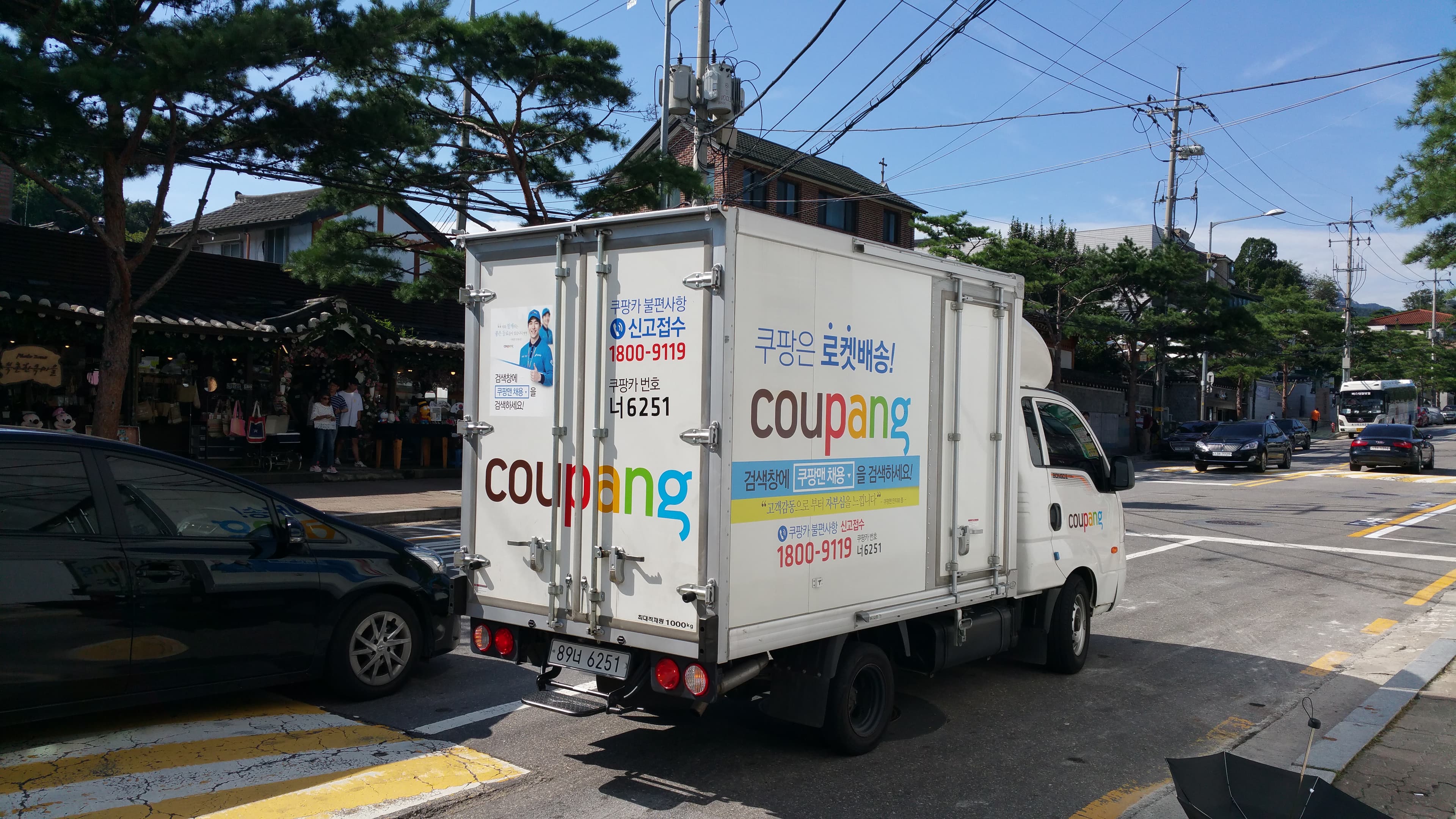
Why you should read this now: South Korea's dominant online shopping platform Coupang has had its low-price strategy officially confirmed by the FTC as one built on the backs of its suppliers. The debate over the effectiveness of 'platform abuse' regulation — and whether the penalty is too lenient — has erupted simultaneously.
TL;DR
- FTC imposes corrective order + ₩2.185 billion fine on Coupang (February 26, 2026)
- When PPM (profit margin) targets were missed, Coupang pressured suppliers to cut unit prices and pay advertising fees, threatening to halt orders if they refused
- 4 violations identified: delayed payment of goods + non-payment of late interest, passing on unused sampling costs, and more
- Coupang signals plans to file a lawsuit → effectiveness of fine enforcement and correction remains uncertain
- Industry says "₩2.2 billion is less than Coupang's daily revenue — a slap on the wrist" … debate over sanction severity intensifies
What Happened — The Facts
The Fair Trade Commission ruled on the morning of February 26 that Coupang had violated Article 8, Clause 2 of the Large-Scale Distribution Business Act (prohibition on delayed payment for goods), Article 15 (prohibition on coercing economic benefits), and Article 17, Item 10 (prohibition on imposing disadvantages), and issued a corrective order along with a ₩2.185 billion fine.[[1]](https://v.daum.net/v/20260226120506723)
The FTC identified four main violations:
- Demanding unit price reductions after agreeing on PPM (Product Profit Margin) targets — Coupang would set PPM targets with suppliers, then demand lower unit prices when targets were not met. Refusal was met with the threat of halting orders.
- Coercing advertising fees — Suppliers were pressured to bear advertising costs under the pretext of increasing their exposure on the Coupang platform.
- Delayed payment + non-payment of late interest — Payments were delayed beyond the legally mandated deadline, and no late interest was paid.
- Non-refund of unused sampling product costs — Costs of products not consumed during sampling (experience) events were passed on to suppliers.
Why It Spread — Factors Behind the Viral Coverage
Three overlapping contexts drove this story to the top of real-time search rankings from the morning of February 26.
① Sanction immediately after Coupang's data breach: Just weeks earlier, Coupang had already faced public backlash over a personal data leak affecting 33.67 million people. The anger was amplified by the perception that "a company already getting flak for a data leak was also squeezing its suppliers."
② KOSPI's historic 6,000-point breakthrough and Coupang's stock: With the KOSPI crossing 6,000 points for the first time the day before, the domestic market abuse issue surrounding Nasdaq-listed Coupang (CPNG) attracted investor attention as a corporate governance concern.
③ Platform Fairness Act legislative discussions: With the National Assembly actively debating an Online Platform Fairness Act, this sanction was immediately cited as concrete evidence supporting the need for legislation.
Context and Background — Why Was Coupang Able to Do This?
Between 2023 and 2025, Coupang solidified its dominance in the domestic e-commerce market, exceeding a 40% market share. From suppliers' perspective, it is structurally difficult to maintain sales without access to the Coupang channel. The FTC's own ruling stated: "Coupang, the overwhelming No. 1 player in the online shopping market, compelled suppliers to sacrifice for the sake of maintaining its own profit margins."[[2]](https://www.hankyung.com/article/202602266732Y)
The Korean version of the 'Amazon model': Amazon faced similar antitrust lawsuits in the US for comparable practices. The pattern involves a platform growing to scale, then transferring the burden of intermediate fees, advertising costs, and logistics costs onto suppliers.
Outlook — Will This Sanction Be Effective?
Optimistic view: This sanction creates an 'official record' of Coupang's abusive behavior, which could serve as grounds for enhanced penalties when the Online Platform Fairness Act is eventually enacted.
Pessimistic view: ₩2.185 billion represents less than 0.001% of Coupang's annual revenue (in the tens of trillions of won). The Korea Economic Daily criticized it as the "limits of a slap on the wrist."[[2]](https://www.hankyung.com/article/202602266732Y) Moreover, since Coupang has signaled plans to file a lawsuit, the actual corrective effect remains uncertain until a court ruling.
Structural dilemma: Suppliers find it difficult to publicly challenge Coupang due to fears of retaliatory order cancellations. Without stronger whistleblower protections, it is hard to expect aggrieved suppliers to voluntarily come forward.
Checklist — Key Points to Watch
Reference Links
- FTC Imposes ₩2.2 Billion Fine on Coupang for 'Supplier Abuse' (Comprehensive) — Yonhap Infomax
- FTC Fines Coupang for Abuse, but ₩2.2 Billion Is a 'Slap on the Wrist' — Korea Economic Daily
- Coupang Squeezes Suppliers and Threatens Order Cuts — ₩2.2 Billion Fine — News1
- Regulator slaps 2.19 bln-won fine on Coupang — Yonhap (English)
- South Korea watchdog fines Coupang $1.6 million — Reuters
Image Source
- Coupang Logo: Wikimedia Commons — Coupang logo (SVG)