March's Uninvited Guest, This Year's Worst: 5 Reasons China's Fine Dust at 'Very Bad' Levels Is Threatening Korea's Health and Daily Life
From March 2–3, 2026, high-concentration fine dust from China is blanketing the entire country, pushing air quality to 'Very Bad' levels. March is the month with the highest average PM2.5 concentration of the year (average 26㎍/㎥, most 'Bad' days annually), requiring extra caution from those with cardiovascular and respiratory conditions.
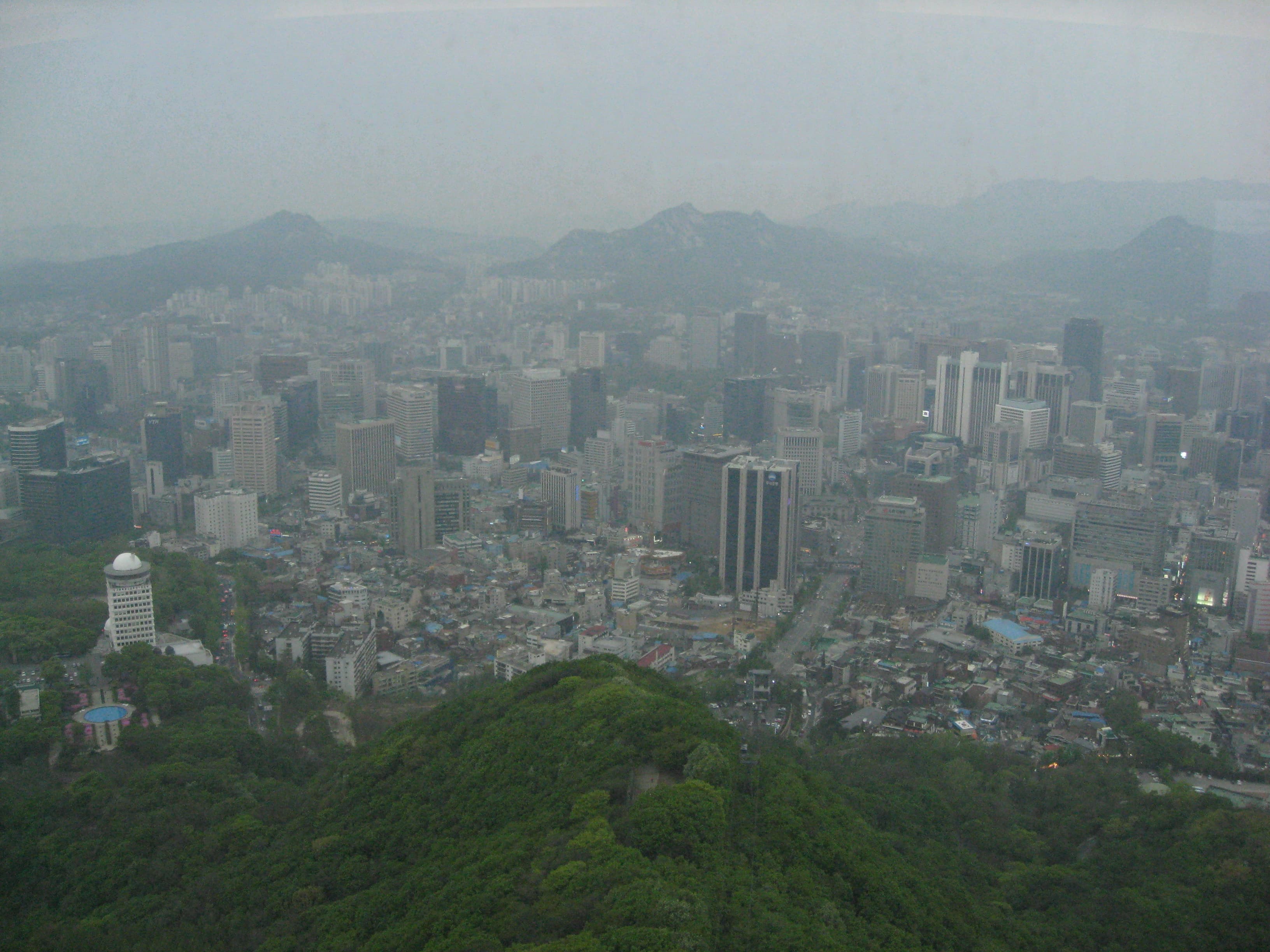
Why You Need to Read This Now
The excitement of spring arriving is fleeting — starting the first weekend of March 2026, high-concentration fine dust from China has blanketed the entire country. If you're asking yourself "Why does my throat feel scratchy when the sky looks clear?", you've already been exposed.
TL;DR
- Nationwide PM2.5 at 'Very Bad' (76㎍/㎥ or above) levels continuing through March 2–3
- March is the month with the highest PM2.5 concentration of the year — 10-year average of 26㎍/㎥, with 8 'Bad' days — both annual records
- China improved PM2.5 from 68㎍ in 2013 → 28㎍ in 2025, but March atmospheric stagnation traps pollutants
- The government has decided to shut down up to 29 coal-fired power units for the entire month of March (12 more than during winter)
- Vulnerable groups (cardiovascular/respiratory patients, the elderly, children) should avoid going outside and must wear KF80-rated or higher masks
① Why March Is the Worst Month for Fine Dust
There's a Korean saying: Samhansami (三寒四霾) — three cold days, then four hazy ones. March in particular is a time when rising temperatures strengthen southwesterly winds, causing pollutants to pour down from the dried-out atmospheric layers of northern China.
According to statistics from the National Institute of Environmental Research, the 10-year average (2015–2025) March PM2.5 concentration stands at 26㎍/㎥ — the highest of any month — and days classified as 'Bad' or worse number 8 days, also the annual maximum. Fine dust season kicks off in earnest alongside the spring flowers.
② The Mechanism Behind This Episode
The high-concentration episode of March 2–3 resulted from three factors converging:
- Influx of pollutants from inland China — High-concentration PM2.5 riding warm southwesterly winds crosses the western boundary
- Atmospheric stagnation — A stagnant air mass at the center of a high-pressure system blocks dispersion, allowing pollutants to accumulate
- Domestic emissions overlay — Increased spring travel and manufacturing activity adds domestically generated pollutants on top
As a result, the central-western regions of the country — including Seoul and the greater capital area — entered the 'Very Bad' range.
③ "But China Has Improved — So Why?" — Myths vs. Facts
President Lee Jae-myung, immediately after his January visit to China, stated "worries about fine dust from China have disappeared" — a remark that sparked controversy. It is true that China's annual average PM2.5 concentration fell by more than half over a decade, from 68㎍/㎥ in 2013 to 28㎍/㎥ in 2025.
However, improvement in annual averages and high-concentration episodes tied to specific seasonal and meteorological conditions are entirely separate matters. The structural pattern — where winter heating demand combined with spring atmospheric stagnation causes concentrated influx from China's eastern industrial zones — remains unchanged. Even as China improves, the Korean Peninsula cannot afford complacency in March.
④ Government Response — 29 Coal Units Shut Down
The Ministry of Environment, as part of the 'Fine Dust Seasonal Management System,' has decided to shut down up to 29 coal-fired power generating units for the entire month of March. This is 12 more units than the winter shutdown count (17 units).
Additionally:
- Strengthened restrictions on Grade 4 and 5 older diesel vehicles
- Intensive crackdowns on fugitive dust at construction sites
- Increased frequency of municipal road-cleaning vehicle operations
As Professor Park Rok-jin of Seoul National University told KBS: "Restrictions on Grade 4/5 diesel vehicles and shutdowns of coal power plants are producing visible results." Indeed, domestic PM2.5 concentrations have dropped from 26㎍/㎥ in 2015 to a record low of 16㎍/㎥ in 2025.
⑤ Health Impacts — It's Not Just the Respiratory System
The damage from fine dust extends far beyond the lungs and bronchi.
| Area of Impact | Key Symptoms and Risks |
|---|---|
| Respiratory | Coughing, worsening asthma, reduced lung function |
| Cardiovascular | Vascular inflammation, increased risk of angina and myocardial infarction |
| Mental Health | Increased depression, cognitive decline (Channel A / Samsung Seoul Hospital research) |
| Skin & Eyes | Conjunctival redness, skin irritation |
| Child Development | Impaired lung development during growth years |
Experts recommend that those with cardiovascular or respiratory conditions, the elderly, and children avoid going outside as much as possible through March 3, and wear a KF80-rated or higher health mask if going out is unavoidable.
🔍 Points to Watch
- High-concentration fine dust impacts expected to continue through March 3 — gradual improvement anticipated thereafter as northwesterly winds move in
- Domestic public opinion on Lee Jae-myung administration's 'no worries about China-origin dust' statement may reignite
- China is implementing new PM2.5 standards (Grade 2: 25㎍/㎥) from March 2026 — structural improvement expected in 2–3 years rather than short-term effect
- Whether Korea-China environmental cooperation channels are restored will be the key variable in fine dust diplomacy
Checklist — What to Do Right Now
Reference Links
- Nate News — "China's Sky Is Getting Bluer, But Korea's Air Pollution Is at Its Worst"
- KBS — "Government Mobilizes All Ministries Ahead of Dust-Heavy March"
- Hankookilbo — "Is the President Right That 'Worries About China-Origin Fine Dust Are Gone'?"
- MBC News Desk — "Is Samhansami Now a Thing of the Past?"
- Channel A — Fine Dust and Mental Health
Image Credit
- Seoul tower smog and dusty view — Wikimedia Commons (CC BY 2.0, taylorandayumi / Flickr)