After Dubai Cookie Comes Bomdong: 5 Reasons MZ Generation Revived Kang Ho-dong's 18-Year-Old Bibimbap as 2026's Hottest Trend
Before the Dubai Jjonddeok Cookie (Dujjonku) craze could even fade, 'Bomdong Bibimbap' has taken over social media. The bomdong geotjeori bibimbap that Kang Ho-dong raved about on the 2008 show 1 Night 2 Days has gone viral 18 years later, driving over 50,000 Coupang purchases in a month and a wholesale price surge. We analyze the 'reverse swing' phenomenon from stimulating desserts to healthy seasonal home cooking.
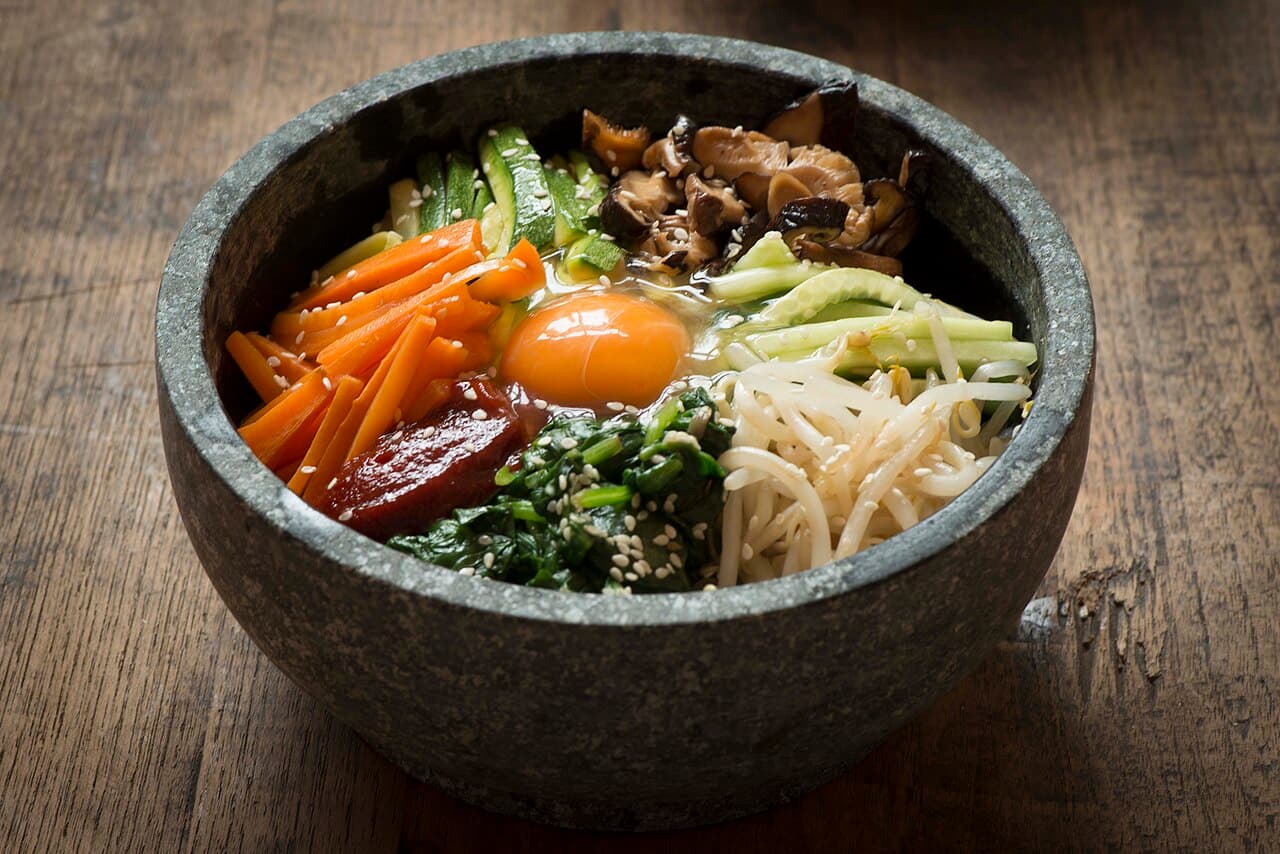
Why this matters now: In Korea's food trend market — where the Dujjonku had a half-life of just 17 days — Bomdong Bibimbap has instantly seized the SNS algorithm with the reverse-trend codes of 'health, seasonal, home cooking.' We examine the shift in consumer psychology this wave represents.
TL;DR
- Trigger: A video clip of Kang Ho-dong praising a village grandmother's bomdong bibimbap on 1 Night 2 Days in 2008 — saying "the cabbage tastes better than meat" — went viral 18 years later
- Spread: MZ generation short-form recipe challenge → 50,000+ Coupang purchases in 30 days, bomdong wholesale prices surge
- Context: Fatigue from stimulating desserts like Dujjonku and Dubai Chocolate → reverse swing toward mild, healthy seasonal food
- Speed: Trend half-lives shortening: Croffle 163 days → Tanghulu 54 days → Dubai Chocolate 13 days
- Outlook: Rapid fadeout possible after bomdong season ends (mid-March) vs. long-term transition into a 'healthy home cooking trend'
The Facts: What Happened
What is Bomdong?
Bomdong is a type of napa cabbage sown in winter and harvested in early spring, characterized by leaves that spread outward and a sweeter taste than regular cabbage. It is rich in vitamin C, calcium, and antioxidants, with only 23 kcal per 100g. The domestic season runs from February to March; it becomes difficult to find after April.
How did it blow up?
A clip from the 2008 KBS2 variety show 1 Night 2 Days — in which entertainer Kang Ho-dong tasted a bomdong geotjeori bibimbap made by a village grandmother and declared "the cabbage tastes better than meat" — recently began recirculating on social media. As the clip caught the algorithm on X (Twitter), Instagram, and TikTok, a 'Bomdong Bibimbap Challenge' spread rapidly.
Actual consumption data
- Domestic bomdong 500g (₩3,250) on Coupang ranked #2 on the 30-day purchase bestseller list, with over 50,000 people buying in a single month
- CU convenience store jelly category sales up +27.4% month-over-month (co-rise of health snacks related to the bomdong bibimbap trend)
- Bomdong wholesale prices surged; some markets reported shortage conditions
The Spread Mechanism: Why Did It Go Viral So Fast?
1. Short-Form Optimized Recipe
Bomdong Bibimbap is a perfect match for YouTube Shorts, Reels, and TikTok algorithms because the entire process can be captured in 5 minutes of cooking time, no equipment needed, and a 30-second video. Without complex ingredients or technique: ①wash bomdong → ②toss with seasoning (red pepper flakes, soy sauce, fish sauce, garlic, sesame oil) → ③place on rice with a fried egg → ④mix and done.
2. Accumulated Fatigue from Stimulating Desserts
Among MZ consumers who had consumed Dubai Chocolate (half-life: 13 days, 2024) and Dujjonku (17 days, 2025) in succession, "fatigue from extreme sweetness and exotic ingredients" built up. Bomdong Bibimbap drew reactions like "seasonal vegetables are more appealing than expensive desserts" and "it feels like moving from intense food back to home cooking."
3. Celebrity Legacy Resurrected by Algorithm
Beyond Kang Ho-dong's 2008 clip, bomdong bibimbap videos by celebrities including Ryu Su-young (Convenience Store Restaurant), Kim Dae-ho (I Live Alone), and Song Ga-in were successively rediscovered. The 'reinterpretation of something old' operated as a new discovery for the MZ generation.
4. Alignment with Health Consumption Trends
Among people in their 20s–30s, the health management paradigm is shifting from "starving at all costs" to "minimally processed natural food." Bomdong precisely fits this trend as a low-calorie, nutrient-dense ingredient.
Context and Background: The Structure Behind Shortened Korean Food Trend Cycles
| Trend | Half-Life | Characteristics |
|---|---|---|
| Croffle (2020–21) | 163 days | Café-centered, offline consumption |
| Tanghulu (2023) | 54 days | Street consumption, franchise explosion |
| Dubai Chocolate (2024) | 13 days | SNS certification, high-price imported ingredients |
| Dujjonku (late 2025) | 17 days | Convenience store & café expansion, secondary derivatives |
| Bomdong Bibimbap (2026) | TBD | Viral throwback video, home cooking & seasonal codes |
According to industry insiders, the trend is toward content-based consumption explosions growing larger while duration shortens — meaning the later you jump on the bandwagon, the higher the inventory and cost risk.
Outlook: How Long Will It Last?
Short-term fadeout scenario (1–2 weeks)
Since bomdong season runs through mid-March, raw material supply will naturally decline on its own. As short-form algorithm fatigue accumulates, the likelihood is high that it will be replaced by the next contender (frozen jelly? seasonal wild garlic?).
Long-term transition scenario (3+ months)
If the overarching trend of 'healthy home cooking' aligns, Bomdong Bibimbap could become not a one-off fad but a catalyst for a seasonal vegetable home cooking boom. If a 'seasonal geotjeori bibimbap' series continues through April (wild garlic), May (chwinamul, fatsia shoots), etc., it expands into a brand and marketing opportunity.
Checklist: How to Capitalize on This Trend
Risk Check
Investment Overheating Risk: Short-term spike possible in bomdong-related agricultural futures and food stocks. Given the trend half-life of roughly 2 weeks, caution is warranted.
Reference Links
- Analysis of Bomdong Bibimbap trend causes - Hankyung
- 'From Dujjonku to healthy bomdong' - Chosun Ilbo
- Bomdong Bibimbap craze follows Dujjonku - Economic Review
- 18-year-old Kang Ho-dong bibimbap resurrected - Chosun Biz
- SNS sensation bomdong bibimbap recipe - Maeil Business
Image Credit
- Cover image: Dolsot Bibimbap, Wikimedia Commons (CC BY-SA 3.0)